The Story
Why it exists.
The beginning
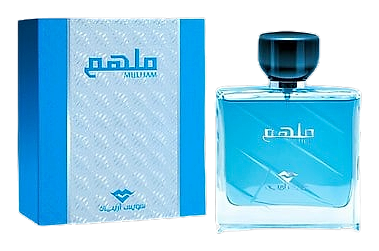
Mulham sits in a quieter corner of the Swiss Arabian catalog, away from the heavy oud statements the house is known for. The name carries a suggestion of softness in Arabic, which fits the composition: a green, citrus-aromatic that reads more like a walk through a garden than an incense-soaked majlis. Swiss Arabian built its reputation on Arabian opulence, rich materials, dense compositions, and that partnership with Givaudan gave them access to the same ingredient quality as European luxury houses. Mulham is what happens when that technical precision points toward something lighter.
The interesting choice here is the galbanum. It's a bitter, green resin that most modern compositions treat as an accent, a background sharpener. In Mulham, it sits in the base alongside the sandalwood and musk, giving the whole structure a cool, almost metallic backbone. The blackcurrant leaf in the heart reinforces it, pushing the green further than most citrus-aromatics dare. It's a composition that knows what it wants to be: clean without being clinical, green without being sharp enough to sting.
The evolution
The first fifteen minutes are all about the citrus. Bergamot opens with a bright, slightly bitter edge, and mandarin sweetens it just enough to keep things approachable. The scent feels thin and transparent, almost like water with light running through it. Then the green tea arrives, and the whole structure gains a vegetal weight. The blackcurrant leaf adds a tart, slightly herbal sharpness that catches you off guard if you're expecting a standard fresh fragrance. This is where Mulham separates itself from the crowd of generic citrus colognes. By the two-hour mark, the galbanum has risen. It's the note most people won't be able to name, but they'll feel it: a cool, resinous bitterness that gives the drydown its backbone. The sandalwood underneath is soft, creamy, and unobtrusive. The musk is clean, almost soapy, but not in a synthetic way. It holds close to the skin rather than projecting outward.
Cultural impact
Mulham occupies a specific niche within the Middle Eastern fragrance conversation, where Swiss Arabian has long balanced Arabian perfumery traditions with Western-leaning compositions. Released as part of the brand's lighter, citrus-aromatic range, it reflects a 21st-century shift toward approachable green scents aimed at younger consumers and export markets, particularly in the Gulf and South Asia. The fragrance's galbanum-heavy profile echoes the clean-herbal style popular in European perfumery during the 1990s, repositioned through a Sharjah-based lens. Swiss Arabian, founded in 1974, has used such compositions to broaden its catalog beyond oud-and-rose signatures, appealing to buyers who want everyday wearability.