The Story
Why it exists.
The beginning
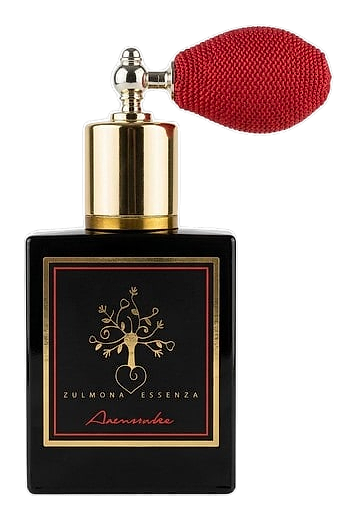
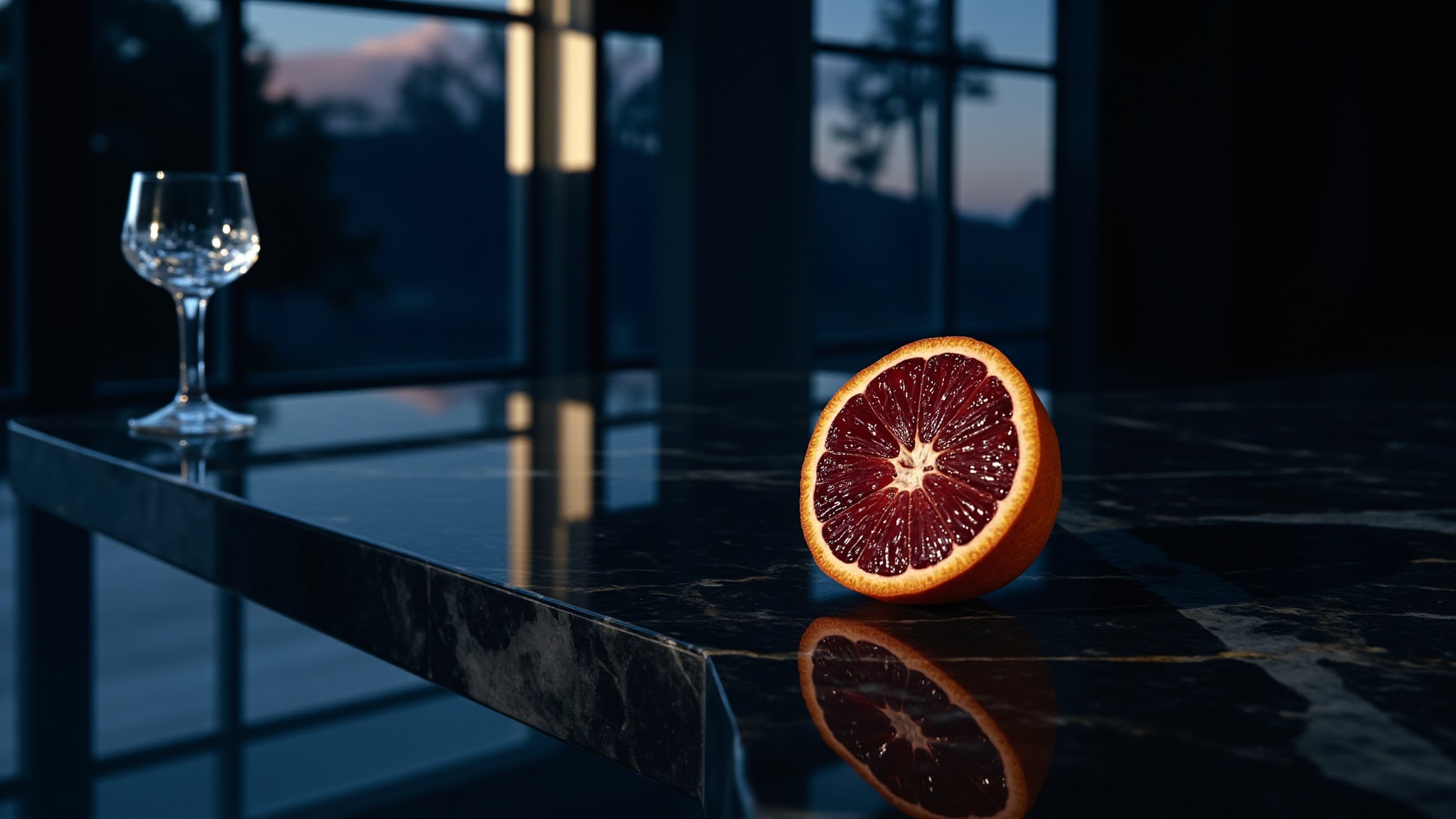
Animarubra arrives in 2026 with a composition built around contrast. Blood orange, raspberry, and wine create a vivid opening of fruit and atmosphere, while jasmine, rose, and dark chocolate turn the scent inward. The combination suggests pleasure with an edge, sweetness interrupted by spice and depth. As these materials meet, citrus brightness meets red, sparkling fruit, floral softness, bittersweet darkness, resinous warmth, earthy texture, and dry spice. The notes form a layered fragrance that moves between vivid fruit, floral character, and a deeper base, creating an expressive composition for exploration.
The unusual part is how neatly the notes refuse to stay in one lane. Blood orange brings citrus brightness, raspberry adds a red, sparkling fruitiness, and wine supplies a darker, warm dimension. Then jasmine and rose introduce white floral elegance without making the composition feel innocent. Dark chocolate changes the register entirely, adding a bittersweet, almost edible depth. Amber, patchouli, and saffron anchor the whole arrangement with resinous warmth, earth, and spice. Together, these materials create a scent that balances fresh fruit with floral notes and a darker, textured base.
The evolution
On skin, the opening is the most immediate chapter: a flash of blood orange and raspberry sharpened by wine, with saffron lending a dry, elegant heat. As the bright fruit recedes, jasmine and rose take over, making the center feel intimate and composed. Dark chocolate becomes the hinge between floral brightness and a deeper, resinous base. Patchouli gives the later stages a grounded, earthy shadow; amber adds warmth and sweetness, while saffron keeps the drydown from turning too soft. The result moves through fresh fruit, floral character, bittersweet chocolate, and a warm base of amber, patchouli, and saffron.
Cultural impact
Animarubra is defined by its combination of chocolate, wine, citrus, and floral notes. Blood orange and raspberry bring bright, red-fruit character, while wine adds a darker, warm dimension. Jasmine and rose add floral detail, and dark chocolate introduces bittersweet depth. Amber, patchouli, and saffron contribute resinous warmth, earth, and spice. Together, these notes create a composition suited to exploration, with a clear contrast between fresh fruit, flowers, and a deeper base. Its appeal lies in the interaction of these varied materials rather than a single obvious signature.