
The Story
Why it exists.
The beginning
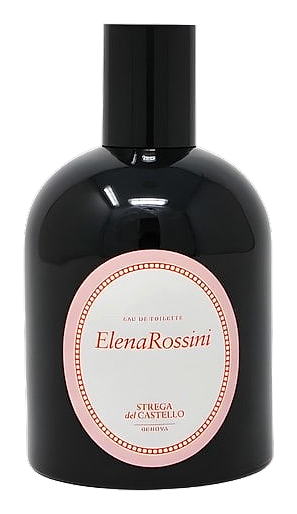
Elena Rossini draws its name from a woman, or perhaps the memory of one. The brand's own description nods toward timeless beauty and classic elegance without further specifics, and that's deliberate. The name sits at the heart of a philosophy that prizes restraint over exposition. Rather than hand the wearer a fully realized scenario, the fragrance offers a name and a handful of notes, and asks you to do the rest. Who is Elena Rossini? That's for the wearer to decide. The composition itself keeps that same restraint: citrus opens bright but not loud, the florals arrive in a measured procession rather than a single lavish gesture, and the drydown settles into something quiet and resinous that lingers close to skin. It's a fragrance that assumes its wearer knows how to listen.
What's interesting here is the structural decision: citrus at the top, a dense floral heart, and a resinous base of ambergris and frankincense. The architecture is unmistakable once you wear it. Iris anchors the heart, and its presence rewrites everything around it, turning what could have been a straightforward floral into something with powdery depth and a faintly cool mineral edge. The frankincense gives the base a smoldering warmth that reads more architectural than romantic, like stone holding heat after sunset.
The evolution
The first fifteen minutes are surprisingly sharp. Citrus hits harder than expected, almost metallic, like the moment before a storm when the air turns electric. Then the iris arrives. It doesn't bloom so much as settle, a cool, powdery veil that smooths the entire composition into something hushed and expensive. Rose enters next, then tuberose, and for a while the heart is all flowers, heavy, almost baroque. Then something unexpected happens. The frankincense doesn't creep in at the drydown. It's been there the whole time, underneath, waiting. By hour three the florals have thinned to a suggestion, and what's left is ambergris and incense, warm and slightly animalic, clinging to fabric and skin. The next morning, on a scarf, it's still there: faint smoke, powdered sweetness, the ghost of something floral. The longevity is moderate but the drydown is the point.
Cultural impact
Elena Rossini sits in a quieter corner of the Strega del Castello lineup. It's a fragrance that asks for attention rather than demanding it, more concerned with composure than spectacle. The wearer who reaches for it tends to want something that feels composed rather than performed, formal without being stiff, floral without being decorative. On skin, the opening citrus brightens briefly before the iris takes hold, powdery and cool, settling into the resinous base over several hours.