The Story
Why it exists.
The beginning
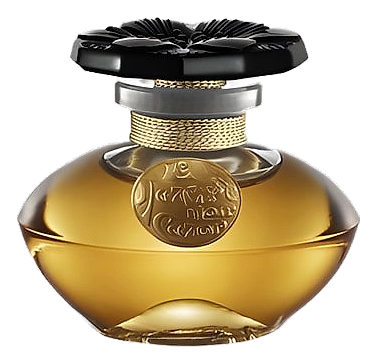
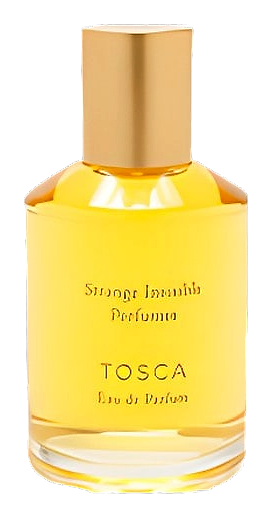
Tosca arrived in 2005 with Alexandra Balahoutis credited as its perfumer. The composition opens with Italian orange and bergamot, cutting the air clean with a bright, peel-like sharpness. Basil follows with a green, herbal snap that gives the citrus a fresh edge. Mimosa brings a buttery yellow floral quality, while jasmine adds white floral brightness and softness. Parma Violet and tobacco leaf lay the groundwork for something darker and more textured, pulling the composition inward from its crisp opening. The violet has a powdery, almost cosmetic character, and the tobacco leaf adds dry, earthy depth with a faint sweetness beneath it. Musk runs through the whole composition, giving it skin contact and a soft trail that keeps it from feeling like a citrus air freshener.
The unusual part is the collision. Parma Violet is powdery, nostalgic, almost cosmetic in a good way. Tobacco leaf is dry, earthy, faintly sweet. Set them beside fresh citrus, green basil, and buttery mimosa and the result refuses to sit in one category. Tosca keeps the citrus at the front, where it reads clean and sunlit, then lets the tobacco creep in from underneath, closer to the skin and closer to breath. The composition moves between sparkling citrus, green herbs, yellow floral warmth, powdery violet, and dry tobacco without losing the contrast that makes it distinctive.
The evolution
The first minutes are the most obvious part of Tosca. Italian orange and bergamot hit first, bright and peel-sharp, the way citrus fruit smells before you even taste it. Basil follows within the opening, bringing a green edge that keeps the citrus from turning sweet. Then mimosa and jasmine soften everything, adding a yellow floral warmth that reads powdery rather than soapy. Parma Violet enters next, and here's where the scent takes its turn. The violet and tobacco leaf together pull the composition down and inward, from bright air to a private, close-to-skin register. The tobacco doesn't roar. It stays dry and leafy, almost like the smell of a pipe left on a table. Musk gives the composition a soft, lasting presence, while the violet leaves behind a faint impression of powder.
Cultural impact
Tosca is a 2005 release from Strange Invisible Perfumes, with Alexandra Balahoutis credited as the perfumer. Its cultural character comes through the composition itself: Italian orange and bergamot establish a bright opening, basil adds a green herbal accent, and mimosa and jasmine introduce floral warmth. Parma Violet and tobacco leaf then create a darker, more tactile center. The fragrance moves easily between citrus brightness, powdery florals, dry leaf, and soft musk, making it rewarding to examine note by note as the opening settles into a more intimate, close-to-skin composition.
The House
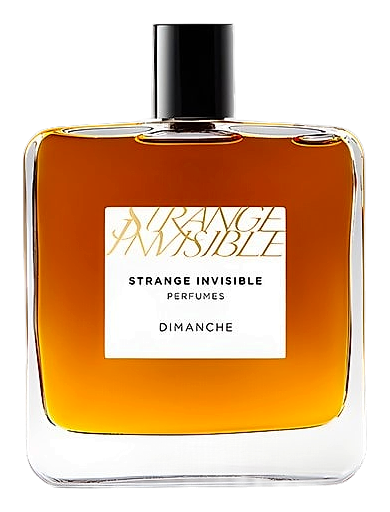
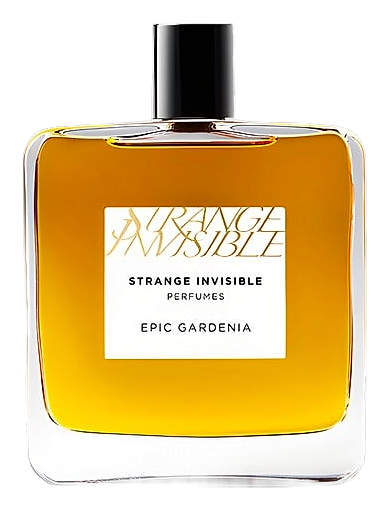
Strange Invisible PerfumesStrange Invisible Perfumes is a Venice, California fragrance house that builds each scent from certified organic, wild‑crafted and biodynamic botanicals. Founded in 2005, the label offers a modest catalogue that includes Dimanche, Epic Gardenia (2009), Virgo (2012) and a series of reserve blends. Every bottle emerges from a small‑batch distillation process, and the brand positions its narratives around ancient scent traditions rather than seasonal trends. The result is a collection that feels both scholarly and intimate, inviting wearers to explore nature’s purest aromas.
The Creator
Alexandra BalahoutisAlexandra favors cold‑press and steam distillation, techniques that preserve subtle green nuances. She works hand‑in‑hand with a full‑time master distiller, tasting each batch before it enters the formula.