The Story
Why it exists.
The beginning
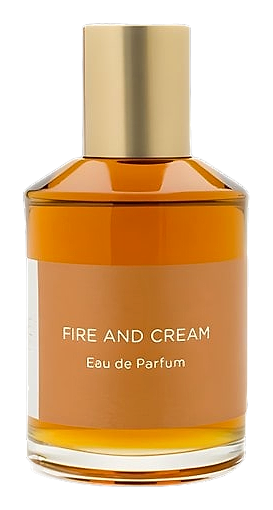
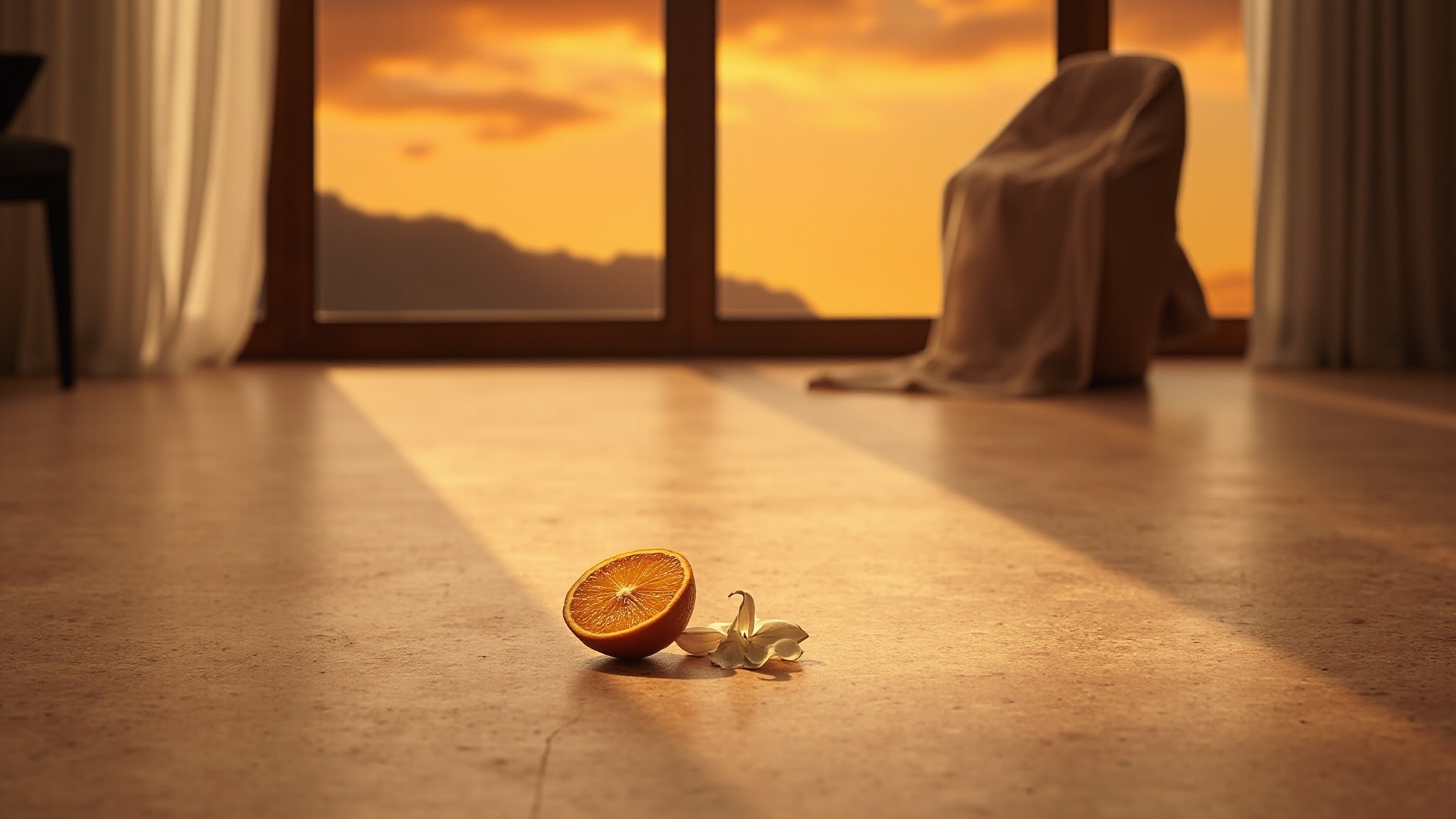
Alexandra Balahoutis looked up one early evening in late summer. The sky was on fire, orange bleeding into cream, clouds lit from below like something was burning beneath them. She is a perfumer with bright red hair and a pale complexion. Fire and Cream seemed like the right name for something she'd make for herself. It started as a private ritual. A scent for her own skin, her own hours. But admirers caught it on her and wanted it too. Inevitably, as the brand puts it. So in 2009, Strange Invisible Perfumes released it for the rest of us, keeping the name, the notes, the feeling of standing beneath a sky that can't decide whether it's day or night. The ingredients reflect that liminal hour: orange blossom and orange at the top, bright and fleeting. Tuberose, frankincense, lavender at the heart, warm florals, smoke, and something herbal and cool. Vetiver, patchouli, sandalwood as the base, earthy, woody, the ground after the light leaves.
The hydro-distilled citrus is the tell. Not mechanically pressed, hydro-distilled, which means the essential oil captures something more volatile, more fleeting. The bright top note that fades fast on most fragrances? Here it lingers differently, closer to the actual smell of orange blossom at dusk rather than orange peel. That's what makes the opening feel like the sky rather than a fruit bowl. The combination of tuberose and frankincense is unusual. Tuberose is lush, almost cloying on its own. Frankincense is austere, smoky, resinous. The lavender bridges them, herbal, cool, keeping the sweetness honest.
The evolution
The opening announces itself quickly, African orange flower and orange, bright and citrusy, almost sharp before it softens. The brightness doesn't stay long, maybe thirty minutes, before the heart takes over. Tuberose arrives creamy, almost buttery, supported by frankincense's faint smoke and lavender's cool green edge. This is the longest phase, the one that earns the name. The warmth builds without overwhelming. The florals and resins share space without fighting. Hours later, vetiver and sandalwood carry the drydown. The scent moves close to skin, intimate rather than announced. Patchouli adds earth and depth, keeping the cream grounded. On most people, this lasts well into the night, not projecting, not demanding, just present. The kind of longevity that makes you catch it on your wrist the next morning and think: oh, that's still there.
Cultural impact
Fire and Cream arrived in 2009, a moment when niche perfumery was still finding its audience and organic sourcing wasn't yet a marketing category. It found its people: wearers who wanted botanical purity and weren't afraid of warmth. The brand remained small, the catalogue modest, and the fragrance eventually discontinued. Those who found it tend to remember it.