

The Story
Why it exists.
The beginning
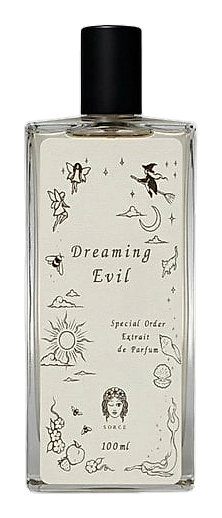
Dreaming Evil began the way most Sorce fragrances begin, born from a tension the house has explored before: the collision of something indulgent and something ominous. The name itself does the work. There's pleasure here, and there's a charge underneath it. The composition centers on cocoa, oud, and a dense network of resins, letting the gourmand side and the dark, woody side argue it out across the full arc. The cocoa lands first with that bittersweet, almost bitter chocolate intensity, the dry-cocoa-powder kind of darkness rather than milky sweetness, and the resins arrive almost immediately alongside it, weaving a warm, sticky lattice that gives the sweetness something to push against.
What makes Dreaming Evil structurally interesting is the way the resin network holds the sweetness in check. Benzoin, labdanum, and tonka bean all belong to the same warm-amber family, and stacking them creates a density that cocoa's natural sugar can't puncture. The oud doesn't roar. It lurks, a low woody hum underneath, and Timbersilk™ adds a clean woody edge that keeps the whole thing from collapsing into pure dessert.
The evolution
The first fifteen minutes are cocoa-forward, almost startling in their directness, the kind of opening that makes you wonder if you accidentally put on a chocolate perfume. Then the oud and dark woods step in, and the register drops. The heart phase is where the resins tighten their grip: benzoin and labdanum fold around the tonka, the vanilla settles beneath rather than floating on top, and the oud becomes a structural beam rather than a note you can isolate. The sweetness doesn't vanish. It deepens, takes on a almost smoky, incense-adjacent quality, like a candle that's been burning for two hours in a room you forgot to ventilate. Tree moss and the woody materials carry the back half, adding a damp, earthy counterweight to the benzoin warmth. The drydown is where it earns its name: a low, almost somnolent blend of vanilla, tonka, and residual cocoa that clings close to skin for hours. As a perfume oil, the projection stays personal, a scent trail you leave on pillows and collars rather than a room you fill.
Cultural impact
Dreaming Evil is a dense, resinous composition that reads as a personal statement rather than a crowd-pleaser, the kind of scent that rewards close attention and repeated wearing. It appeals to the collector who treats scent as mood curation, someone who reaches for specific oils to set a tone rather than picking a single signature, and Dreaming Evil's particular gravity makes it an obvious candidate for a late-evening slot in such a rotation.
The House
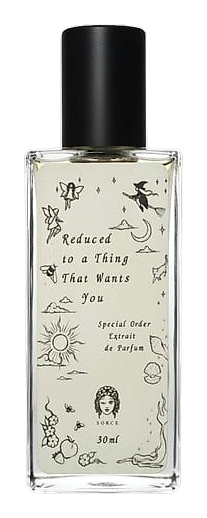
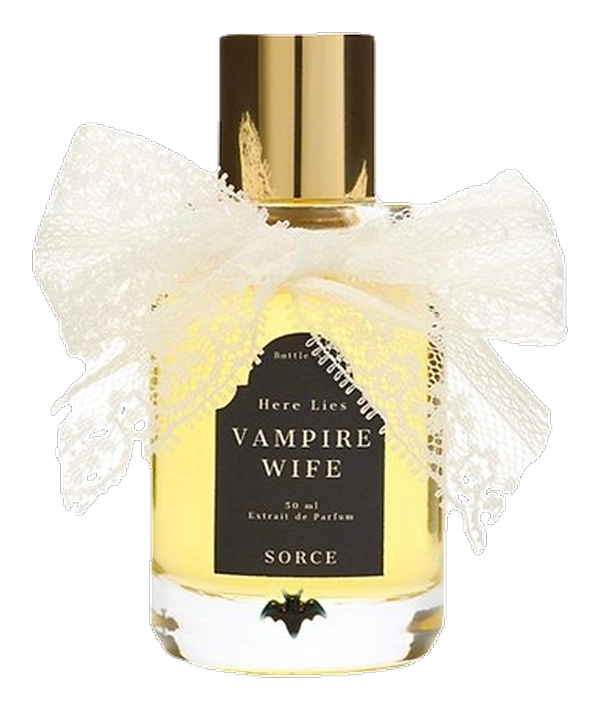
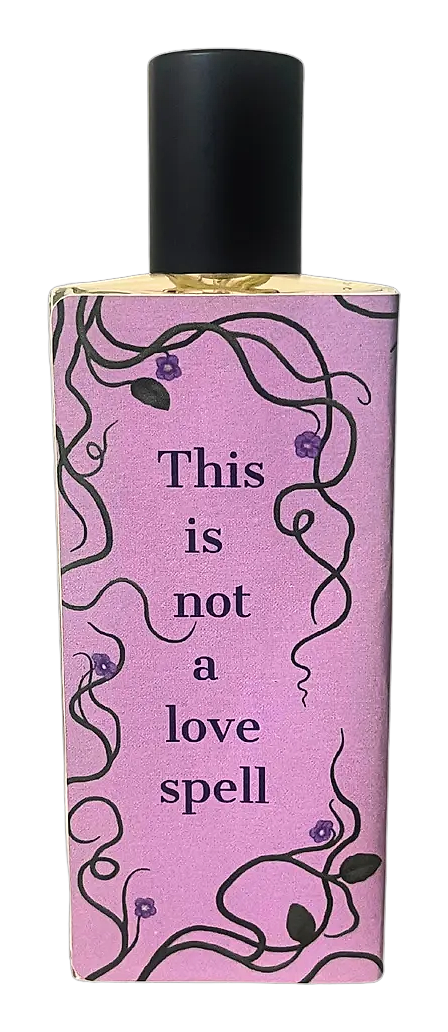
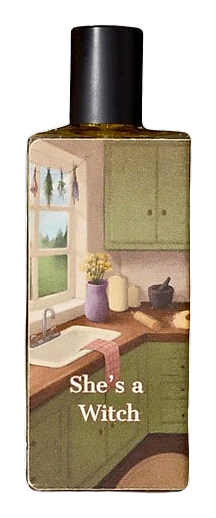
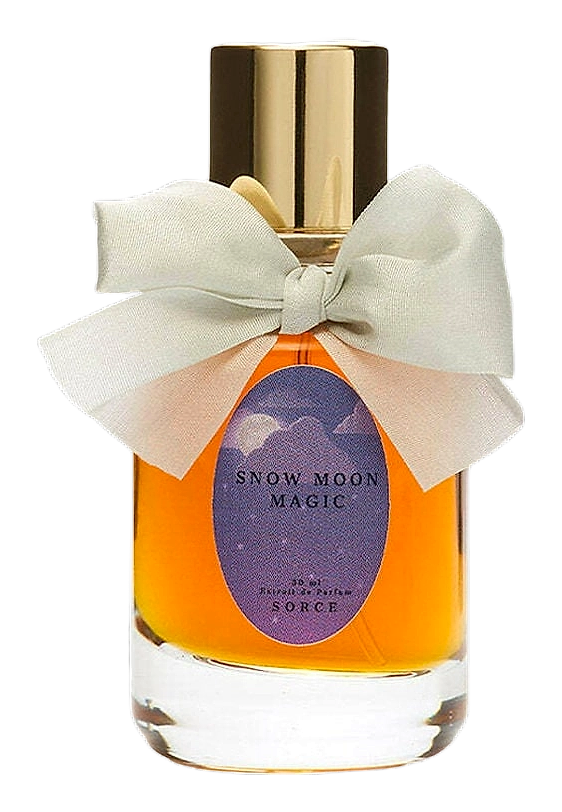
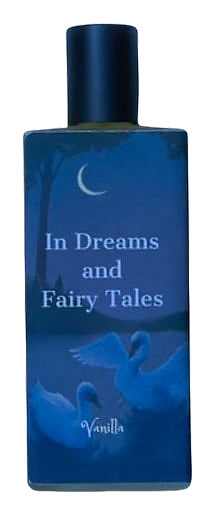
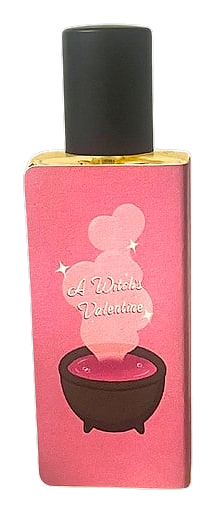
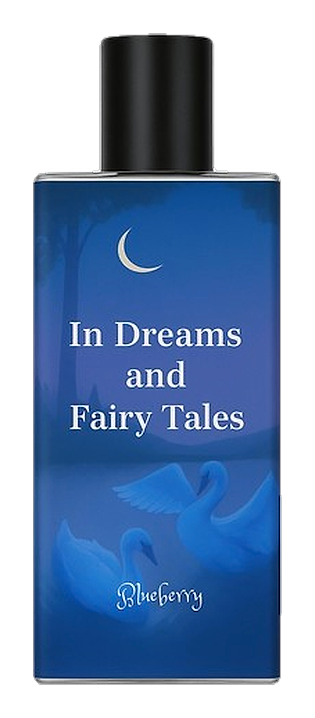
SorceSorce began as a modest experiment in Charlotte, North Carolina, where founder Caitlin Hayes turned her home‑lab blends into a small‑batch perfume label. The brand offers a rotating catalog of niche scents, each released in limited quantities and presented in minimalist glass vessels. Sorce’s lineup includes playful titles such as In Dreams and Fairy Tales Blueberry (2025) and more contemplative notes like English Major (2024). The house focuses on scent as personal expression, inviting collectors to explore fragrance as a daily ritual rather than a fleeting trend. By keeping production tight and distribution direct, Sorce maintains a hands‑on relationship with its community of indie perfume enthusiasts.
The Creator
Caitlin HayesCaitlin favors natural extracts that whisper rather than shout. Lavender, vanilla, and freshly cut herbs appear frequently, often paired with unexpected mineral accords that evoke rain‑kissed soil.