The Story
Why it exists.
The beginning
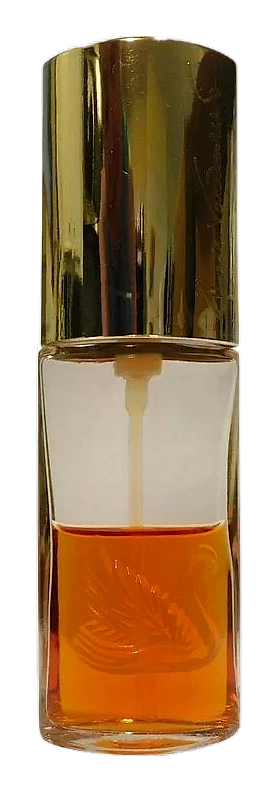
Maroussia arrived in 1996 as a Russian couturier's answer to the question every fashion house eventually faces: what does the runway smell like? Vyacheslav Zaitsev had spent decades draping Moscow's elite in theatrical evening wear, but perfume offered something fabric couldn't, intimacy without announcement. Maroussia was his attempt to translate the drama of the runway into something personal, something worn close to the skin rather than projected across a catwalk. The name itself echoes the classic Russian fairy tale, a quiet nod to cultural roots in a composition built for Western shelves. The fragrance opens with a sharp, dusty cedar that demands attention, followed closely by oakmoss lending its green, slightly medicinal undertone.
What makes Maroussia structurally interesting is its restraint. Five core materials, cedar, narcissus, oakmoss, coriander, amber, form a pyramid that could have gone blockbuster. Instead, the composition keeps its hand close. The oakmoss brings that green, slightly medicinal depth that defined quality florals before IFRA restrictions; the cedar grounds everything in a dusty, almost antiseptic warmth; the narcissus adds a yellow-floral note that reads more poetic than punchy. Coriander whispers spice without raising its voice. Amber is the quiet anchor.
The evolution
It begins with cedar doing exactly what cedar does when it's been in a closed space for decades, that dusty, slightly mothball edge that hits like opening a grandmother's wardrobe. The oakmoss sits underneath, adding a green mineral depth that could read medicinal on the wrong skin. Thirty minutes in, the narcissus arrive. Not in a rush. They sidle up alongside the cedar and slowly, slowly soften it. The dusty wood doesn't disappear, it transforms, becoming the supporting actress instead of the lead. By hour two, you're in the drydown: amber warmth hugging cedar that finally smells like wood instead of storage. The sillage stays moderate throughout, close to the skin, the kind of presence you have to lean in to find. The progression feels deliberate, each stage revealing new dimensions as the materials interact and evolve.
Cultural impact
Maroussia stands as one of the first Russian fragrances to reach Western markets, a quiet export from a country not known for perfume diplomacy. Its 1996 debut placed it in an era of bold florals and power notes, but its restrained character, moderate sillage, close-to-skin presence, positioned it as a fragrance for those who didn't need to announce themselves. Those who know the scent often describe it as smelling like an old Moscow theater, red curtains and fur coats and the hush before the lights dim.