The Story
Why it exists.
The beginning
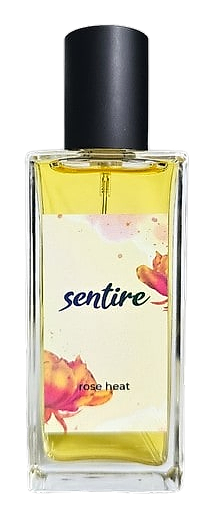
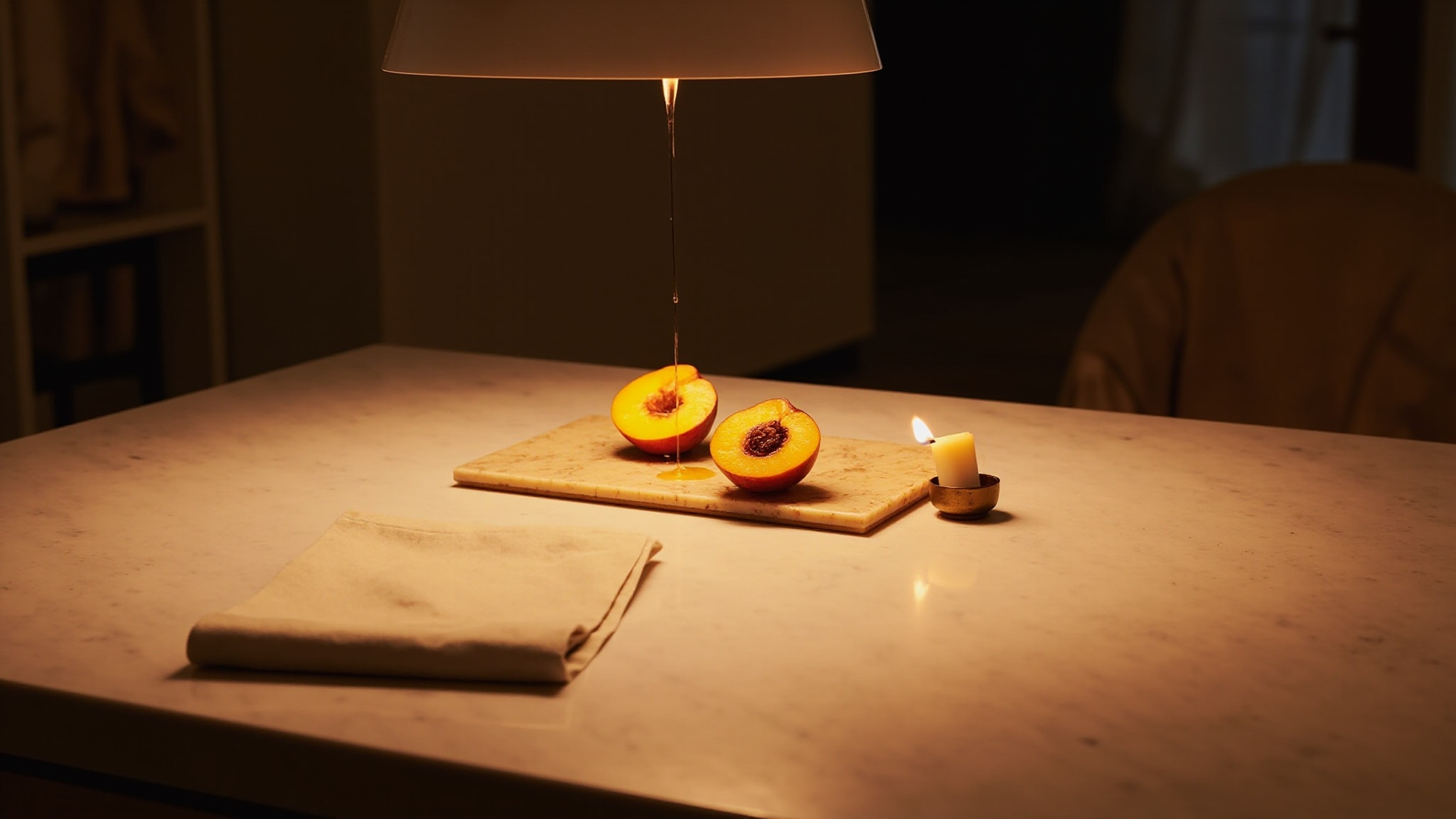
Rose Heat arrives with a weight that announces itself before you even register the rose. The composition isn't a soliflore dressed up in marketing copy. It's a deliberate collision between honey, peach, and three forms of rose, anchored by beeswax and Mysore sandalwood. The rose at the center feels like a bloom that grew up next to an orchard, absorbing warmth from the fruit trees and the sticky sweetness of late-summer air. It's denser than most modern rose fragrances, older in feeling, less concerned with freshness than with presence. The peach in the opening gives it a syrupy fleshiness, a fruit that has been cooked down rather than just sliced. The honey wraps everything in amber light, thick and slow, the kind of sweetness that sits on the tongue.
What makes this structure work is the beeswax absolute threading through the heart and the base. Beeswax absolute brings a waxy warmth, a smell of candlelight caught in a cold room, and it gives the rose a kind of substance that prevents it from drifting into soap or air freshener territory. Pair that with Mysore sandalwood, and the rose stops being pretty and starts being present. The sandalwood's creaminess wraps around the other notes like a second skin, softening the sharper edges and lending the whole composition a velvety finish.
The evolution
The first thirty minutes are sticky and almost edible. Honey and peach hit fast, drenched in light, and the rose underneath feels more like rosehip jam than a fresh bloom. It's generous, almost too generous, the kind of opening that announces itself from across a table. The fruit note isn't sharp or juicy; it's cooked, softened, the kind of peach smell you get from a jar of preserves left open on a counter. The honey amplifies that sensation, adding a golden viscosity that makes the fragrance seem heavier than its actual sillage. Then the beeswax arrives and everything tightens. The sweetness pulls back, the Damask rose absolute gets darker and more animalic, and the osmanthus adds a leathery apricot undertone that shifts the whole mood. This is where Rose Heat earns its name. The warmth isn't aggressive, but it's deliberate. The osmanthus is a clever addition.
Cultural impact
Rose Heat occupies a distinctive space: the warm, honeyed rose territory that appeals to wearers who want their rose to feel lived-in rather than pristine, who prefer the smell of beeswax candles to freshly cut stems. It's a fragrance that takes a position. The sweetness isn't apologetic, the woods aren't timid, and the overall effect is one of unapologetic indulgence. The osmanthus and peach combination gives it a fruity-leathery quality that recalls certain Middle Eastern and Eastern European traditions of rose perfumery, where the flower is treated less as a delicate garden specimen and more as an ingredient in something richer.