
The Story
Why it exists.
The beginning
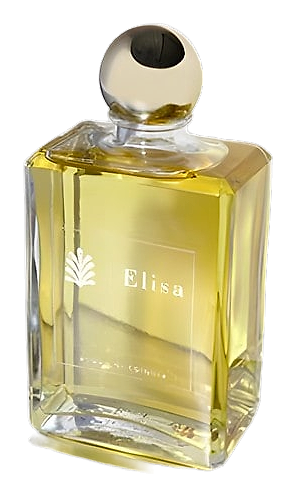
Elisa takes its name from Elisa Baciocchi Bonaparte, the Princess of Lucca and sister of Napoleon Bonaparte, whose historic cologne was kept in a crystal bottle. Its documented inspiration combines citrus and herbs with a modern interpretation of the fragrance's Lucca association. The opening is bright and clean, with lemon zest and sweet orange moving into a floral aquatic heart shaped by magnolia and marine notes. Cedarwood, French labdanum, and opoponax create a rich resinous base, balancing the freshness of the citrus and marine accord with dry wood and balsamic warmth. The result is a fragrance filled with the flavors of Tuscany, where vivid citrus, floral air, and resinous depth meet in a distinctly layered composition.
What makes Elisa compelling is its contrast of polished freshness and warm depth. Lemon zest and sweet orange bring immediate light, while magnolia and marine notes lend a polished floral breeze. Cedarwood, French labdanum, and opoponax then anchor the composition with dry wood and resin. The citrus forms the entrance to a richer structure, balancing marine freshness against balsamic warmth. As the fragrance develops, the bright fruit notes soften and the floral accord gains greater depth. The woody base adds a composed, dry edge, while labdanum and opoponax lend amber-like warmth.
The evolution
Elisa begins with the brisk snap of lemon zest beside sweet orange, a clean citrus opening with the energy of sun moving across pale stone. That brightness softens into magnolia and marine notes, where the fragrance feels airy, floral, and touched by salt. The shift is subtle but important. The citrus doesn't vanish; it warms, taking on a rounder edge as the composition settles closer to skin. Cedarwood then brings a composed dryness, while French labdanum and opoponax add amber-like resin and balsamic depth. These materials extend the composition beyond its fresh opening, leaving a warm, woody trace that continues to unfold over time. As the initial citrus fades, magnolia and marine notes carry a softer floral freshness. Cedarwood gives the later stages a smooth, dry structure, while labdanum and opoponax create a warm resinous finish.
Cultural impact
Elisa reflects Segreti di Lucca's cultured Italian register, combining a historical Lucca association with a distinctly modern composition. The fragrance is filled with the flavors of Tuscany, bringing together citrus brightness, marine freshness, floral softness, woody dryness, and balsamic resin. Lemon zest and sweet orange establish an immediate point of entry, followed by magnolia and marine notes that give the composition an airy, polished character. Cedarwood, French labdanum, and opoponax provide depth and warmth, allowing the brighter opening to settle into a richer final accord.
The House
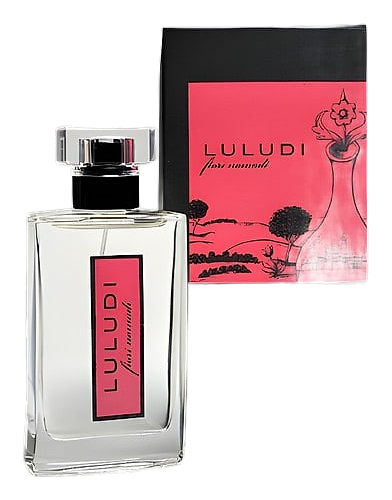
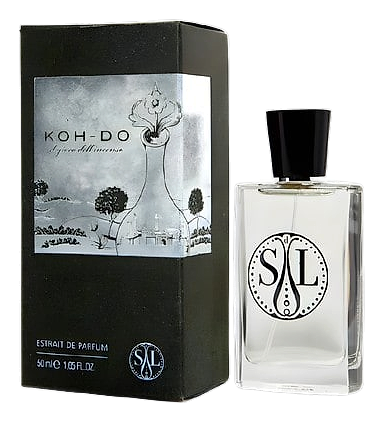
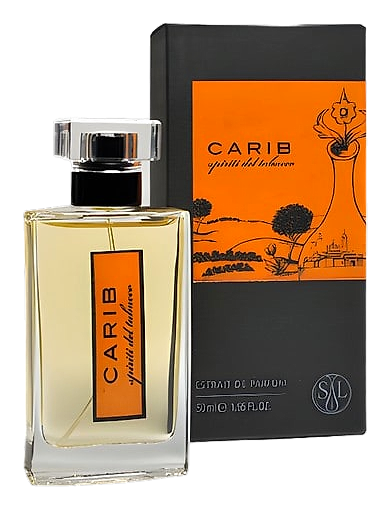
Segreti di LuccaSegreti di Lucca is an Italian fragrance house founded in 2004 by Simonetta Giurlani Pardini. Its identity is rooted in Lucca, a Tuscan city shaped by Renaissance streets, gardens, and a long association with the cultivated world of perfume. The house presents fragrance as a way of discovering character and place through scents inspired by nature, travel, and atmosphere. Its catalog spans floral, tobacco, and woody compositions, including Boheme, Elisa, Koh-do, Luludi, and Carib, Spiriti del Tabacco. The available documentation identifies no individual perfumers, allowing the fragrances themselves to define the house’s distinctive character.
The Creator
Simonetta Giurlani PardiniGiurlani Pardini's signature moves toward clarity of expression and refined textural contrast. Her work with vanilla demonstrates a preference for lightness and air, treating sweetness as something to be edited and reshaped rather than simply amplified.