
Heritage
A house, in its own words
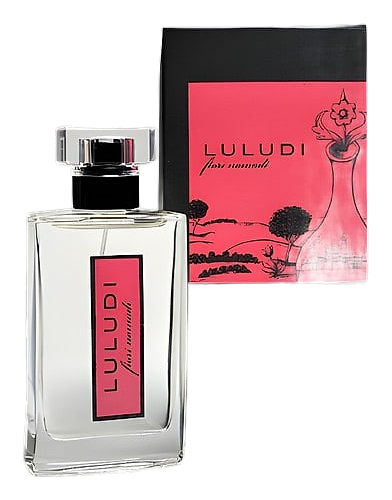
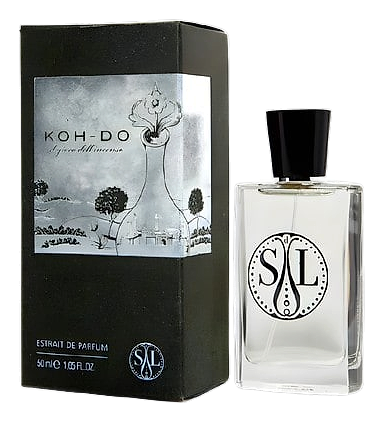
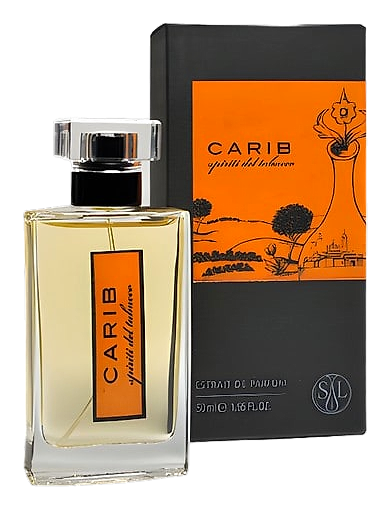
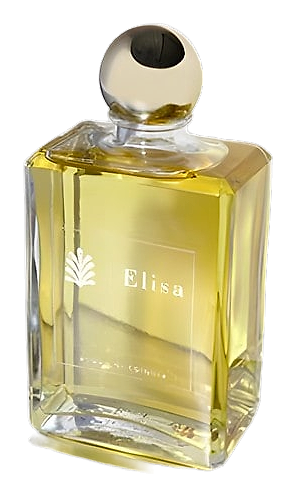
Segreti di Lucca was founded in 2004 by Simonetta Giurlani Pardini, whose interest in history and perfume shaped the nascent line. The name points directly to Lucca, the Tuscan city where the brand is based, and its creative premise draws on the city’s cultural atmosphere and the broader traditions of Italian fragrance culture. Rather than presenting a single inherited recipe or a long institutional history, the house built its identity around the discovery of moods, landscapes, and personal stories through scent. The early releases Boheme and Elisa, both dated to 2004, became central expressions of that approach. The range continued to expand in 2010 with Koh-do, Luludi, Fiori Nomadi, and Carib, Spiriti del Tabacco, broadening its exploration of flowers, woods, tobacco, and travel-inspired themes. This relatively young founding history distinguishes Segreti di Lucca from Florence’s much older perfumery institutions, such as Officina Profumo-Farmaceutica di Santa Maria Novella. Segreti di Lucca’s story is less about continuity with a centuries-old house and more about a founder-led interpretation of Italian fragrance, using Lucca and its cultural associations as an enduring point of reference. Segreti di Lucca approaches perfume as an atmosphere rather than a simple accessory. The house was created around Simonetta Giurlani Pardini’s fascination with history, and its fragrances reflect a desire to translate evocative settings and sensations into scent. Names such as Boheme, Koh-do, Luludi, and Carib suggest distinct worlds, while Luludi, Fiori Nomadi evokes mobile, untamed flowers and Carib, Spiriti del Tabacco points toward a rich tobacco character. This variety supports a philosophy centered on curiosity, contrast, and personal discovery. The brand does not limit itself to a rigid floral signature, instead moving between floral, woody, tobacco, and aromatic registers as different fragrances call for them. Because no perfumers are credited in the available sources, the house’s creative authorship is best understood through this careful curation of names, themes, and olfactory impressions. Its visual and verbal language reinforces the same sense of place, presenting each perfume as a path into a particular mood or memory.