The Story
Why it exists.
The beginning
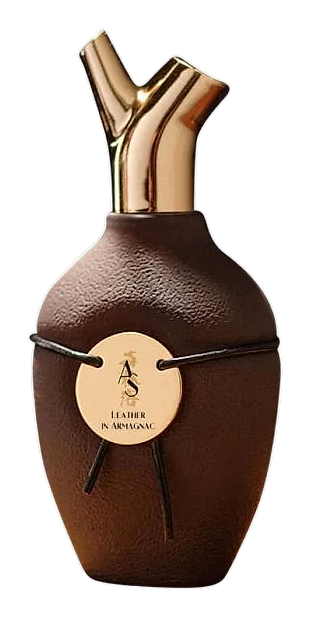
The name tells you most of what you need to know. Armagnac carries a certain rusticity, a sense of something aged and unpolished, and Scents of Wood built a leather composition around that feeling. The brief, as you'd expect from a house called Scents of Wood, was to let the materials speak in their own register. The result is a green, spicy take on the leather genre, less saddle shop and more library after hours. You can smell the intent from the first spray. It's a fragrance that knows exactly what it wants to be and never raises its voice to prove it.
What's interesting here is the structure. Cassar chose a route that keeps the leather character grounded in named naturals rather than the usual suspects of the genre. Leatherwood carries the central theme, and it reads differently from typical leather constructions, greener, slightly raw, with a vegetal tautness underneath. Haitian vetiver and cypriol anchor the composition with earthy depth, the roots of two very different soils pulling against each other in a productive tension.
The evolution
The opening is green and sharp. Vetiver and pepper do the talking, with lavender cooling the edges. There's a brisk, almost bracing quality that cuts straight through. Then the leatherwood surfaces, and the composition pivots. The green recedes, replaced by something warmer, drier, slightly smoky. Gurjun balsam and guaiac wood take over the base, giving the heart a quiet intensity that doesn't need volume. As the hours pass, the spice fades and the leather deepens into something more personal, warmer, closer to skin. The final phase is a soft, dry wood and leather hum, the kind of scent that stays close and stays quiet. It has the patience of a fragrance designed for people who actually pay attention to what they're wearing rather than chasing projection.
Cultural impact
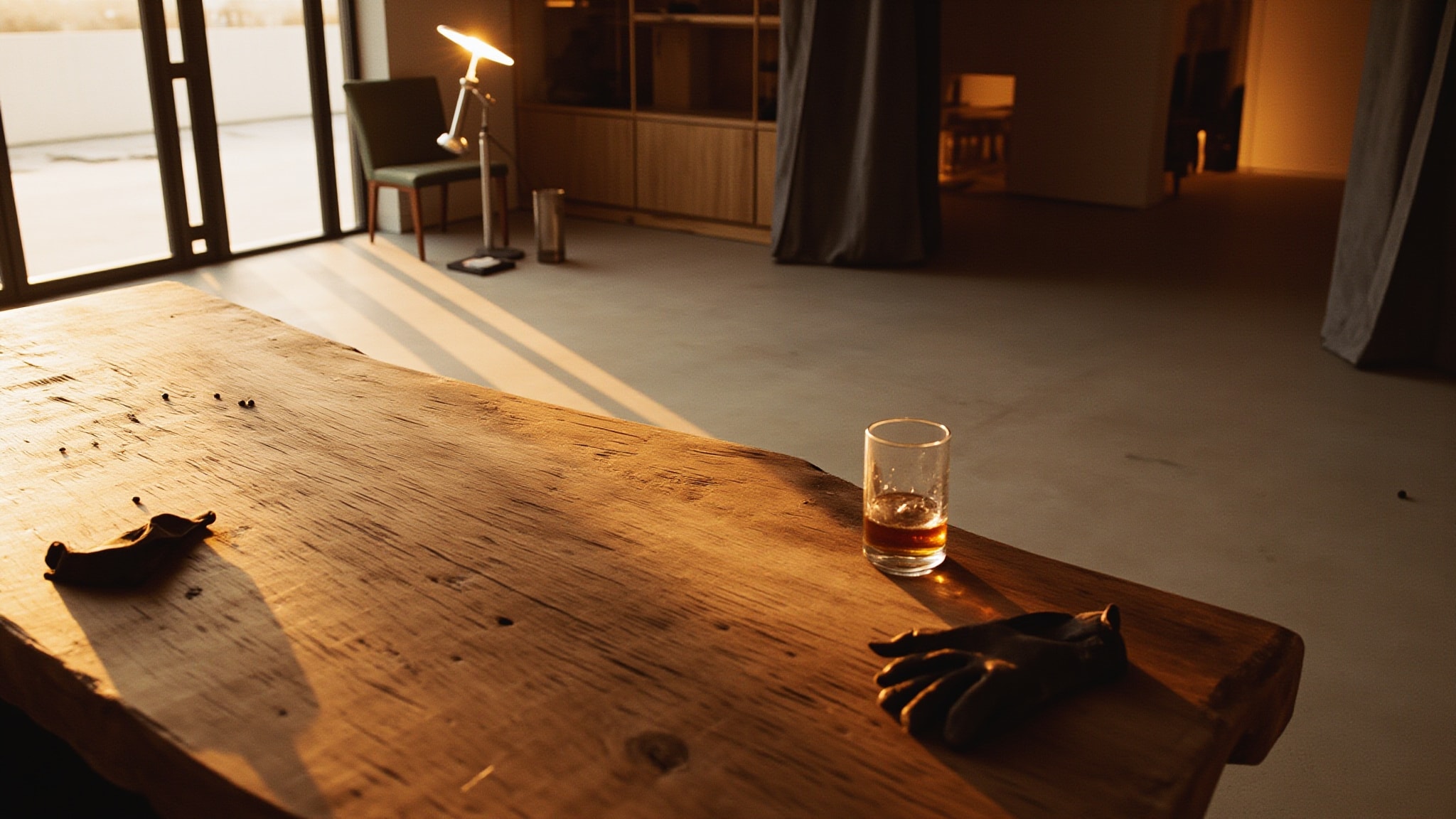
Leather in Armagnac sits in an interesting corner of the leather genre. This is a dry, green, and reserved take, composed for people who prefer nuance over noise. Wearers describe it as the scent of an old library, a leather armchair, a brandy glass left half-finished on a side table. It rewards patience, and the drydown is where most of the pleasure lives. There's an intellectual satisfaction in wearing a leather fragrance that doesn't announce itself from across a room, that asks you to lean in rather than step back. It belongs to a quieter tradition of perfumery, one that assumes the wearer has a vocabulary for what they're smelling.