
The Story
Why it exists.
The beginning
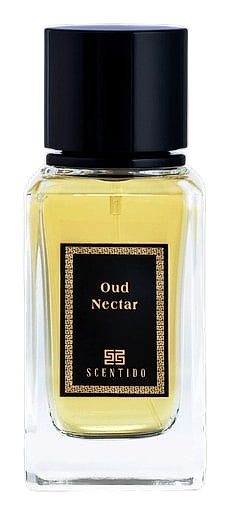
Oud Nectar arrives without a launch date or named perfumer attached, a quiet entrance that lets the composition speak for itself. The fragrance reads as a study in contrast from the first spray: the resinous depth of agarwood meets the earthy pull of patchouli in an opening that goes straight for the dark register rather than warming up gradually. As the composition settles, an amber-and-labdanned foundation takes over, deepening the warmth into something that feels both classical in its material choices and entirely wearable in a contemporary context. The interplay between the raw, almost smoky wood character of the oud and the smoother ambered base creates a tension that holds throughout the wear, never resolving into simple sweetness or straightforward smoke.
What gives this composition its particular gravity is the way amber is layered rather than used once. Amber appears in both the heart and the base, which means the warmth doesn't arrive and leave. It builds. The middle-note amber is softer, cushioned by cashmere wood and grounded by oakmoss, lending a slightly mossy, dry warmth to the composition's center. The base-note amber deepens into labdanum's resinous fold, picking up density and a faint sticky-sweet character that anchors everything below.
The evolution
The fragrance opens with a dense, resinous surge of oud that sits close to the skin, weighted by damp earth and old wood. There's a wet, almost petrichor-like quality in the first minutes that suggests buried wood and forest floor rather than polished showroom oud. As it breathes, the agarwood softens and pulls patchouli forward, its dark leafy green tempering the oud's sharper edges into a quieter, drier hum. The patchouli doesn't read as the dusty, dated variety often associated with older men's colognes; here it adds a green bitterness that sharpens the composition's profile. The cashmere wood arrives around the heart, lending a slightly powdery, textile-like softness that cushions the rougher materials. Hours later, what remains is a low amber-woody murmur, stripped of projection but rich in texture.
Cultural impact
Oud Nectar reads as a composition for the wearer who wants their fragrance to say something without shouting, settling into an amber-oud register that carries weight without demanding attention. The amber-oud-musky territory it occupies has long carried associations with depth and seriousness, and this composition leans fully into that lineage without apologizing for it. The civet note in the base adds an old-school perfumery fingerprint that feels deliberately out of step with the cleaner, more minimalist oud releases currently populating retail shelves.