The Story
Why it exists.
The beginning
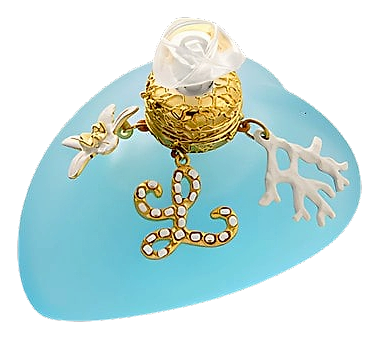
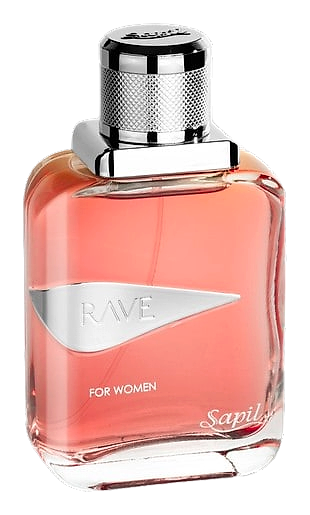
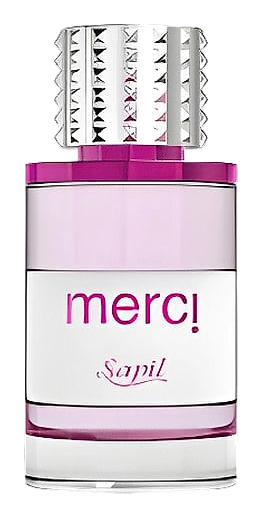
Merci arrived in 2013 from Sapil, a house that has steadily built out a catalog aimed at putting fragrance within easy reach of everyday wearers. The name reads as a simple, elegant gesture, and the composition follows that same logic: nothing loud, nothing withheld. It was designed for women drawn to classic florals with enough structure to wear past the first hour, the kind of scent that holds its shape through a long afternoon rather than dissolving into a soft cloud of sweetness by lunchtime. What makes Merci interesting is its restraint within a genre that often reaches for heavier materials. Rather than leaning on dense musks or smoky resins, Sapil built a floral-fruity composition around freesia, heliotrope, rose, and hibiscus, then anchored it with cedar and sandalwood.
The heliotrope is the move worth noticing. Sweet, almond-edged, almost marshmallow-soft, it gives the heart of Merci its powdery signature. Pairing it with hibiscus, which brings a green-tea tartness, keeps the composition from sliding into pure sweetness. The freesia opening adds a green-pepper brightness before the fruit blur settles in. This is a structure that earns its softness rather than inheriting it.
The evolution
The first ten minutes belong to freesia. It arrives cool and vaguely sweet, less a specific flower than a sensation of fresh linen catching light. There is a clean, almost watery brightness to the opening that feels brisk without being sharp, the kind of scent that registers as fresh on the skin before settling into something warmer. Then comes a brief handoff, the freesia softens and the fruity notes step forward, offering something like chilled pear skin or green apple skin. The fruit is restrained, more about texture than sweetness, and it never crosses into candy territory. Within thirty minutes, the heart takes over: heliotrope powder, rose, a thread of hibiscus that keeps it from being too pretty. The hibiscus is what saves the composition from drifting into pure decoration, lending a faint, slightly green tartness that cuts through the rose's plushness.
Cultural impact
Merci sits in an interesting pocket: a powdery floral composition that leans on European classic perfumery rather than heavier, resinous traditions. It appeals to wearers who want softness with structure, not sweetness alone, and the heliotrope-and-rose heart gives the fragrance a distinctly powdery character that sets it apart from the louder, more projecting florals in the broader market. The composition also signals a quiet confidence, an offering of restraint and elegance to a wider audience, with the heliotrope-rose profile functioning as a sort of profile that collectors of softer, understated florals tend to gravitate toward.