
The Story
Why it exists.
The beginning
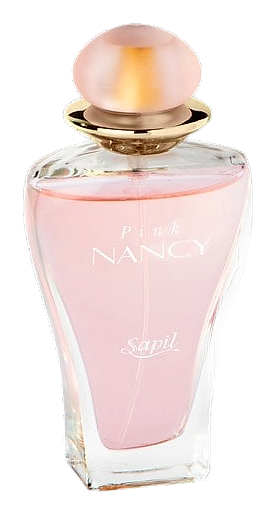
Pink Nancy arrived in 2004 from Sapil, a fragrance house rooted in the UAE's flourishing perfume culture. The name itself is a statement, playful, memorable, and deliberately positioned as something distinct from the Western fragrance canon. Sapil built its reputation offering accessible luxury to a broad audience, and Pink Nancy fits that mission precisely: a composed, well-crafted feminine scent that doesn't demand a luxury budget to experience. The brief, as the brand described it, was enchantment, a fragrance that captures the intrigue of temptation without becoming inaccessible. The official copy reaches for 'dreamlike fragrant infinity,' which is marketing language, yes. But it points at something real: a scent designed to feel complete, self-assured, and enduring enough to outlast trends. What makes Pink Nancy interesting is its structure. Jasmine appears twice, in the heart and the base, which is unusual and deliberate.
The freesia-lychee opening is deceptively simple. Lychee is a fruit that smells sweeter than it tastes, watery, tropical, with a faint floral undertone of its own. Paired with freesia, which is clean and slightly green, the combination creates an impression of freshness without sharpness. Neither note demands attention; together, they set a tone. Then the heart complicates things. Magnolia is buttery, almost creamy, a floral that reads warm rather than bright. Jasmine amplifies that warmth. Ginger adds a clean, sharp edge that prevents the composition from becoming cloying, and black pepper provides just enough spice to give the florals something to push against.
The evolution
The opening is bright and immediately pleasant. Lychee arrives first, watery, sweet, a little tropical, followed closely by freesia's clean floral lift. Together they feel like a warm morning, sun through thin curtains. This phase lasts maybe twenty minutes before the composition begins its quiet shift. The handoff is subtle. Freesia's green clarity fades as jasmine takes over, and the warmth changes texture, less sunny, more intimate. Magnolia fills the middle with a creamy richness, and ginger appears as a thread of clean spice, not heat. Orange keeps things from getting heavy, and black pepper sits quietly beneath, giving the florals something to stand on. By the third hour, the jasmine has reasserted itself from the base. This is the tell: the same note appearing twice, bridging phases in a way that feels intentional rather than accidental. The amber and musk arrive together, transforming the florals into something powdery and warm, that signature close-skin presence that defines the drydown. On fabric, the musk lingers longer.
Cultural impact
Pink Nancy occupies a specific space in the regional fragrance landscape: a feminine, musk-forward floral that bridges classic Middle Eastern preferences with international accessibility. The combination of powdery warmth, animalic depth, and bright florals reflects regional taste, where musk and amber form the backbone of most compositions, while the freesia-lychee opening keeps it approachable for diverse audiences. Released in 2004, it predates the global expansion of Gulf fragrance brands and reflects an era when regional houses were building identities distinct from European counterparts. It remains a reference point for how a well-constructed, accessible feminine scent can persist without aggressive marketing, found rather than pushed.