
The Story
Why it exists.
The beginning
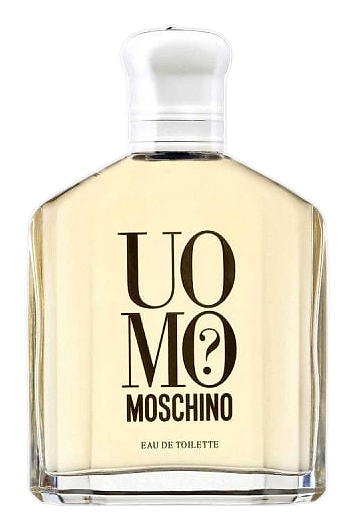
Moschino Uomo arrived in the late nineties with a clear intention: to build a masculine fragrance around brightness and clean structure. Olivier Cresp composed it using aldehydes and citrus, ingredients that carry an immediate, sparkling clarity without heaviness. The brief was straightforward, to embody Italian sensibility not as a mood board but as a material fact. Kumquat, aldehydes, coriander, Brazilian rosewood, cedar, artemisia. Nothing superfluous. The name says it all: Uomo means man. Not boy, not gentleman, just man. Clean lines, quiet confidence, the kind of self-assurance that doesn't need a room to notice it.
What makes this composition interesting is the aldehydes. They're not a common anchor for masculine fragrances, usually they're a supporting player, a soapy whisper in the opening. Here they structure the top notes alongside the citrus, giving the kumquat something to lean against. The result is a fragrance that opens bright but doesn't stay bright. The aldehydes act as a bridge, softening the citrus so the cedar and artemisia can arrive without friction. It's a quiet bit of engineering that makes the whole thing feel unified rather than like three separate fragrances competing for attention.
The evolution
The opening is bright, citrus clarity lifted by aldehydes. Then the hand-off: the citrus fades, and with it comes something warmer, almost spiced. This middle phase is where the fragrance earns its name. It's not masculine in the way of leather or smoke, it's masculine in the way of a man who knows exactly what he wants and isn't going to explain himself. Cedar and artemisia arrive last, and that's when Uomo settles into its drydown. The citrus is gone. What's left is clean wood, a subtle herbal quality, and a quiet trail that stays close to the skin for hours. On clothes, it lingers longer, a soft reminder the next morning.
Cultural impact
Uomo carved a space in the woody aromatic category, neither aquatic nor barbershop, neither too casual nor too formal. The fragrance found its audience in men who wanted Italian character without the loudness that often comes with Mediterranean branding. It wears across seasons but leans toward the brighter months, and its moderate projection makes it a natural fit for professional settings. Not a statement piece. A quiet one.