
The Story
Why it exists.
The beginning
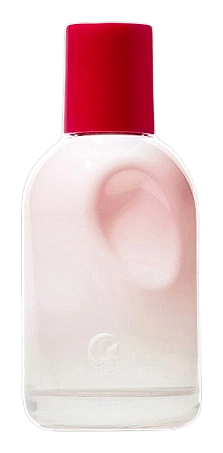
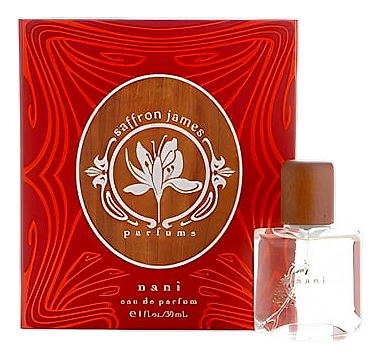
Nani arrives from Saffron James with a clear point of view and a short list of ingredients. The name draws directly from Princess Ka'iulani, the last royal of the Hawaiian monarchy, who was known for the animals she kept close to her throughout her short life. Her connection to flowers wasn't ornamental. In the historical record, they mattered as part of who she was and what she stood for in a kingdom under pressure. Nani tries to hold onto that register: beauty that carries something behind it, a bloom that refuses to stay decorative. It's a fragrance that asks you to notice what's underneath the pretty surface, to read the floral arrangement as a document rather than just a garnish.
What makes Nani worth your attention is how few notes it carries and how loud it speaks. The composition leans hard on pikake, pink frangipani, mimosa, and ylang-ylang, then cuts the sweetness with lemon and citrus brightness. The result is a floral arrangement that reads tropical without crossing into sunscreen territory. Pikake brings a luminous, almost indolic sweetness that sits at the center, while frangipani adds that waxy, fleshy quality that feels closer to the actual flower than to a recreation of it.
The evolution
The opening lands bright and almost sharp, lemon zest hitting first before the white florals have time to organize themselves. Frangipani and jasmine take over as the composition shifts from citrus to something closer to a lei placed on warm skin. The heart is where Nani commits: jasmine stays prominent for hours, ylang-ylang adds a buttery fullness underneath, and mimosa pulls the whole thing slightly powdery without going cosmetic. Lily and citrus continue threading through the mid-phase, keeping it from collapsing into sweetness. The drydown is where the composition reveals its quiet stubbornness. White florals fade into vague abstractions in many compositions, but Nani holds onto its florality longer than expected. A creamy, almost waxy quality lingers close to the skin, and the fragrance doesn't rush toward disappearance.
Cultural impact
Nani occupies a specific corner of indie perfumery where tropical florals get taken seriously as compositions worth building around. The fragrance distinguishes itself by committing to Hawaiian botanicals as the structural foundation rather than as decoration layered over something more familiar. This kind of focus signals to buyers that botanical authenticity matters here, that the flowers themselves are the point. The historical nod to Princess Ka'iulani adds context that most tropical florals lack entirely. A royal figure, a specific cultural moment, flowers with documented significance.