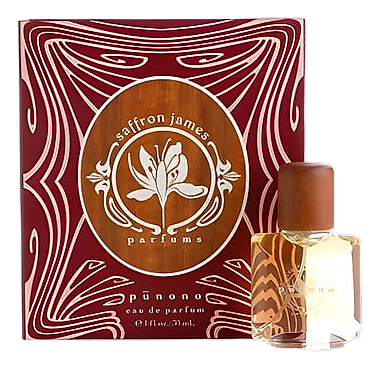
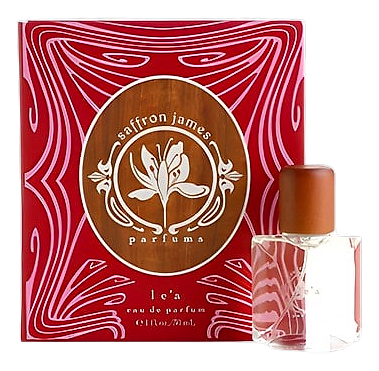
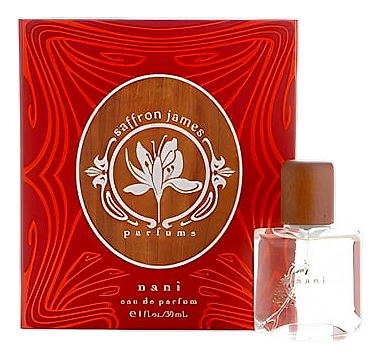


Heritage
A house, in its own words
The story of Saffron James begins with Kate Growney, whose professional background in fashion and beauty journalism shaped her approach to fragrance creation. Prior to founding the brand, Growney served as beauty editor at several prominent publications, including Elle, Harper's Bazaar, and Lucky. These roles immersed her in the world of beauty trends, ingredient innovation, and consumer preferences, providing a foundation of industry knowledge that would later inform her entrepreneurial venture. The transition from beauty journalism to fragrance creation reflects a common trajectory among perfume house founders who seek to move from writing about products to actually making them. Growney established Saffron James in the late 2000s, with the initial fragrance collection launching around 2008. The timing coincided with a broader consumer interest in natural and botanical products across beauty and wellness categories. The brand's Hawaii inspiration emerged from Growney's connection to the islands, whether through personal residence, frequent visits, or deep appreciation for the region's unique botanical offerings. Hawaii's floral diversity, shaped by distinct microclimates ranging from tropical rainforests to volcanic landscapes, provided abundant material for olfactory exploration. The choice to focus on indigenous flowers and plants represented a commitment to geographic specificity rather than generic tropical motifs. Rather than adopting the international expansion strategies common among contemporary fragrance brands, Saffron James maintained a focused identity centered on its island origins. The brand's positioning as a Hawaii-inspired collection distinguishes it from both mass-market fragrances and niche houses that draw inspiration from diverse global traditions. Saffron James operates from a philosophy grounded in botanical authenticity and sensory storytelling. The brand's approach centers on translating the atmosphere of Hawaiian landscapes into olfactory experiences, creating fragrances that function as sensory postcards of specific island moments. This philosophy prioritizes naturalistic ingredients, with essential oils forming the compositional foundation rather than synthetic accords. The preference for botanical materials reflects a belief that natural ingredients offer complexity and nuance difficult to replicate through artificial means. Each fragrance in the collection embodies a distinct aspect of Hawaiian natural environment, from particular flowers to broader landscape impressions. The naming conventions reinforce this geographic specificity, with Hawaiian words and place references anchoring each scent in cultural and locational context. This approach transforms fragrance selection from mere product choice into an act of cultural engagement and geographic imagination. The brand's editorial heritage influences its communication style, presenting fragrances through descriptive, evocative language rather than technical ingredient lists or marketing superlatives. The relatively limited collection size suggests a philosophy of restraint, releasing new fragrances only when genuinely warranted rather than maintaining constant product churn. This measured approach allows each fragrance to receive attention and consideration rather than being lost in constant newness. The brand values authenticity over industry positioning, avoiding self-applied labels of exclusivity or prestige in favor of letting the scents themselves communicate their value.