
The Story
Why it exists.
The beginning
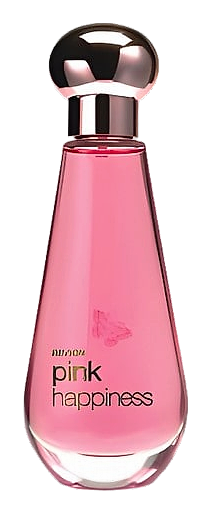
Pink Happiness arrived in 2004 as Revlon continued its decades-long practice of translating what women want into something they can wear. Charles Revson's original question, what do women want, had evolved by the 2000s into something more layered: accessible luxury that didn't feel mass-market, personality that didn't feel overwhelming. Pink Happiness attempted exactly that. The name said it plainly. The composition delivered it literally: a fragrance built around straightforward pleasure, warm florals, and the kind of clean sweetness that makes a room feel lighter without trying.
The elemi resin is what lifts this above the predictable. Most mainstream florals lean entirely into sweetness at the opening. Pink Happiness counters with a sharp, almost biting citrus-spice that reads as resin rather than just fruit. The combination of jasmine and vanilla in the heart is familiar enough to feel safe for anyone nervous about complexity, but the elemi keeps the whole composition from settling into pure comfort. The base notes lean on cedar and guaiac wood rather than the more expected sandalwood, which adds a faint smokiness to the drydown that surprises. At this price point, that kind of structural surprise is uncommon.
The evolution
The citrus arrives first. Lemon and bergamot, bright and immediate. The elemi adds an aromatic edge that most lemon openings lack, a resinous bite that makes the top notes feel less like a cleaning product and more like something intentional. Thirty minutes in, the florals take over. The jasmine and lily of the valley arrive together, creamy and familiar, as the vanilla starts to surface. Around the two-hour mark, the vanilla fully arrives, warming the florals into something powdery and soft. The woods become more apparent as the florals recede, with cedar and guaiac providing structure underneath. By hour four or five, it's a clean, powdery close to the skin that doesn't announce itself but definitely hasn't left.
Cultural impact
Pink Happiness represents a specific moment in accessible mainstream perfumery: when mass-market brands still invested in compositions with enough character to feel personal. The 2004 launch positioned it alongside Revlon's history of approachable luxury, offering something with personality rather than pure crowd-pleasing. The combination of powdery florals and warm vanilla reads as distinctly 2000s, evoking the era's broader obsession with clean, sweet, feminine aesthetics. It's not trying to be niche or directional. It's doing exactly what it promises: delivering a warm, clean floral experience with enough surprise in the drydown to reward attention.