The Story
Why it exists.
The beginning
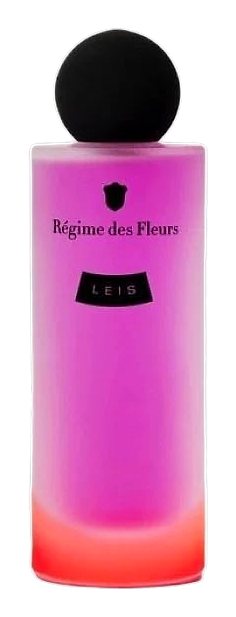
Leis arrived in 2018 from Régime des Fleurs, composed by Mathieu Nardin, and it does what the name promises: it drapes the wearer in flowers the way a Hawaiian lei drapes the shoulders, heavy with presence and impossible to ignore. Frangipani opens the composition with its buttery, almost waxy sweetness, the kind of note that announces itself before you've even lifted your wrist. Jasmine sambac layers in next, indolic and dense, wrapping around the frangipani like humidity clinging to skin. Tuberose brings its camphoraceous, fleshy weight, the note most people either love or flinch from, and here it's deployed without apology. White ginger lily adds a spicy, green-edged brightness that keeps the bouquet from drowning in its own richness.
The unusual move here is the salt. Not a marine accord, not ozonic something pretending to be ocean. Black salt, listed plainly, sitting inside that wall of white tropical flowers. That choice pulls the composition out of the typical soliflore or bouquet register and into something stranger, mineral, almost geological. The salt doesn't read as briny or oceanic so much as dry and faintly bitter, like the faint dusting on the rim of a margarita glass or the mineral residue left after evaporation.
The evolution
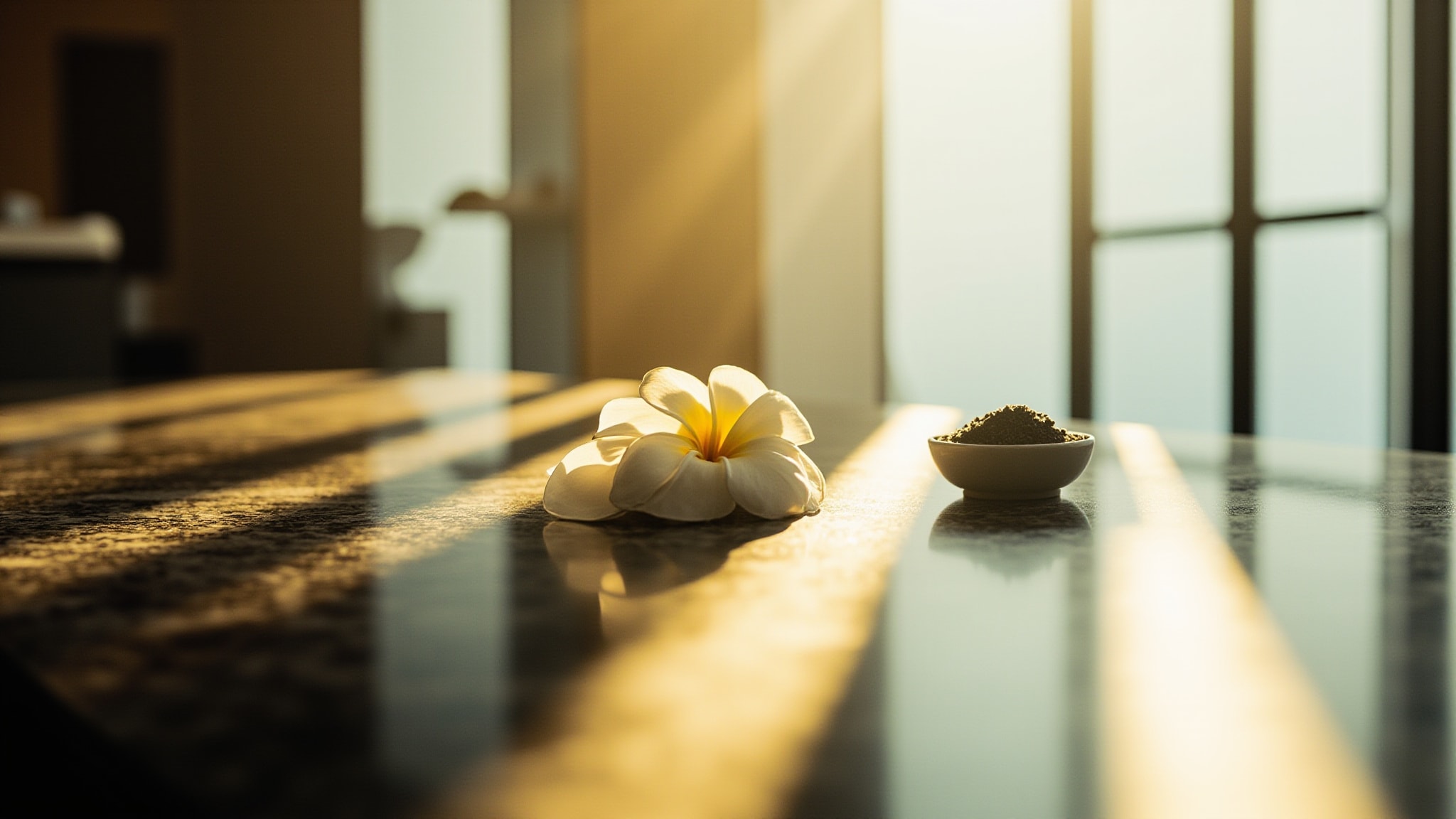
Leis opens loud and a little overwhelming. The frangipani and jasmine sambac hit first, that unmistakable tropical sweetness that can read almost like sunscreen or suntan oil if you're not paying attention, but here it gets pulled sideways by the white ginger lily, which adds a cool, almost eucalyptus-edged sharpness underneath. The black salt surfaces within minutes, giving everything a briny counterweight, like sea air drifting through an open window onto a table covered in flowers. After the first hour, the tuberose deepens, pushing the composition into something denser and more creamy, and the puakenikeni blossom starts doing what it does in nature, shifting from bright sweetness into a rounder, almost banana-like richness that lingers. The drydown is where this fragrance earns its longevity reputation. Hours later, the florals have softened but the ambergris and salt keep the whole thing humming close to skin. By morning, it reads as warm, musky, faintly salty, still identifiable as the same scent but stripped down to its barest elements.
Cultural impact
Leis reads as a study in tropical floral excess, and the inclusion of puakenikeni blossom alongside more familiar materials like frangipani and tuberose gives it a specific gravity that sets it apart from typical white floral releases. The black salt threading through the composition pushes the fragrance into territory that most soliflore or bouquet constructions avoid, introducing a mineral counterpoint to all that creamy sweetness. On skin, the salt opens sharp and dry, almost arid, before gradually yielding to the fuller weight of the florals as hours pass.