The Story
Why it exists.
The beginning
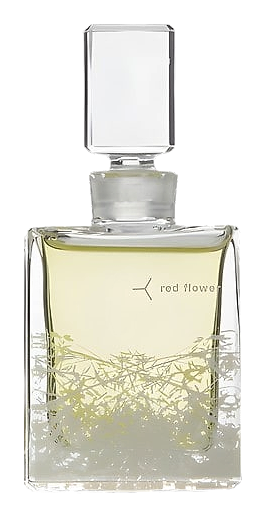
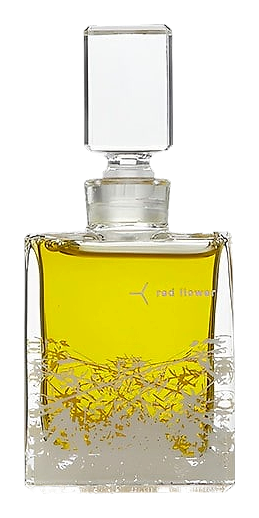
Guaiac draws its name from the guaiac wood at its core, a dense and smoky hardwood that lends the composition its weight and gravity. Red Flower built the fragrance around pure flower distillations and dark tree resins, treating those raw materials as the sole voice of the scent rather than layering synthetic aroma chemicals over them. The wood sets the tone immediately, smoky and meditative, carrying with it an almost medicinal warmth. Around that central pillar, copaiba balsam, cabreuva, and elemi resin build a resinous architecture, while grapefruit and rose arrive later to cut through and complicate the darker base. There is a botanical honesty to the construction. Every molecule comes from something that grew, was distilled, or was tapped.
What's interesting here is the inversion. Guaiac builds from the wood outward, with copaiba balsam, cabreuva, and elemi resin creating a resinous architecture before grapefruit and rose ever arrive. The result is a citrus that behaves like a spice, warm-edged and persistent rather than bright and vanishing. That structural choice means the wear experience unfolds slowly. The resins hold the frame steady while the brighter notes move in and out of focus. Grapefruit peeks through rather than announces itself, and the rose appears more as a softening agent than as a floral centerpiece.
The evolution
The first thirty minutes belong to grapefruit, bright and almost aggressive, with elemi lending a peppery, lemony sharpness underneath. Rose enters within the first hour, but it's a rose under duress, sitting among resins rather than blooming freely. Copaiba balsam and cabreuva start pulling the citrus earthward, grounding that initial brightness into something warmer and more amber-toned. By the two-hour mark the grapefruit has softened into a dried-peel character, and tobacco and guaiac wood take over the conversation. The drydown settles into a quiet, woody-leather warmth that sits very close to skin, lasting in the range of a few hours total. Sillage stays moderate throughout, intimate rather than projective, projecting softly within arm's reach before retreating. As the resins cool, a faint sweetness emerges from the cabreuva, almost honey-like, lingering at the edge of perception.
Cultural impact
Guaiac exists in a particular corner of fragrance, organic in materials yet structured like a classical composition rather than a loose herbal blend. It reads as a citrus-woody scent with real weight behind it, built for wearers who appreciate clarity and intent over synthetic polish. The certified organic materials give the composition a botanical directness that aligns it with natural-perfumery sensibilities, while the architectural layering keeps it firmly in the fine-fragrance tradition. Its sensibility reveals itself over time, rewarding repeat wear.