Heritage
A house, in its own words
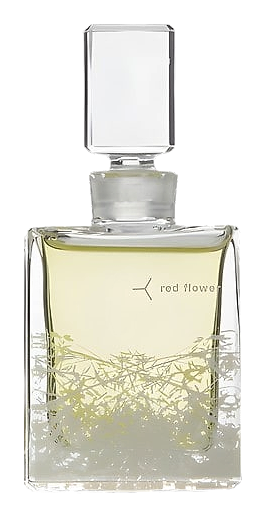
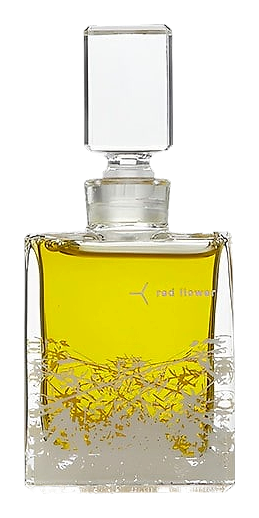
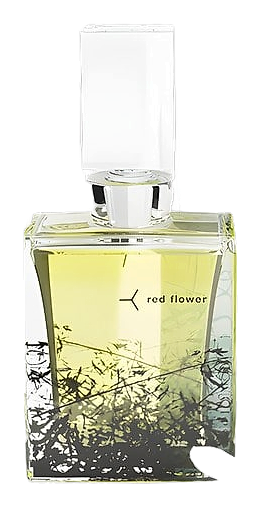
Red Flower traces its origins to October 1999, when Yael Alkalay launched the company in New York City. Alkalay built the brand around holistic principles, drawing on interests in plant medicine and old-world botanical traditions. The initial offering was compact and considered: six Petal Topped Candles, two organic teas, and a selection of small tea implements and home goods. This debut collection reflected a vision that treated scent and skincare as part of a single botanical lifestyle rather than separate categories. The brand expanded steadily through the early 2000s, growing into body care, candles, and eventually perfume. The perfume line itself arrived in 2008, marking a deliberate move into fine fragrance with a roster that prioritized raw, organic materials over conventional perfumery shortcuts. From the outset, the company positioned its products as biodegradable and free from synthetic fragrance oils, a stance that distinguished it from many contemporaries in the natural beauty space. The founding of the perfume line coincided with a broader cultural conversation about ingredient transparency in beauty, and Red Flower's strict adherence to certified organic plants gave it a clear position within that movement. Red Flower's creative vision centers on the idea that scent should come from living plants, not laboratory approximations. The brand formulates its perfumes from essential oils extracted from certified organic botanicals, reflecting a belief that the natural chemical complexity of a real plant offers more depth and character than synthetic reconstructions. This approach extends to the entire product range, which is designed to be biodegradable and gentle on both skin and environment. Alkalay's background in holistic medicine informs a philosophy that treats fragrance as a sensory and therapeutic practice rather than purely decorative. The brand resists the layering of artificial musks, phthalates, and synthetic stabilizers that dominate conventional perfumery, choosing instead to work within the constraints of what nature provides. This restraint shapes the olfactory profile of the collection: compositions that feel close to their source materials, whether that source is guaiac wood, ambrette seed, or champa flower. There is also a visible commitment to old-world craft traditions, suggesting that modern fragrance can learn from historical methods of distillation and blending rather than treating them as obsolete.