
The Story
Why it exists.
The beginning
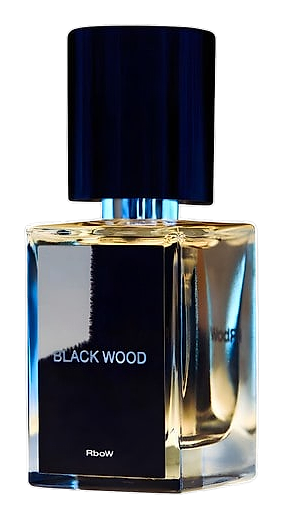
Claude Dir built Black Wood as a study in darkness made wearable. The name is literal: this is wood that grew in shadow, wood that carries resin and smoke in its grain. Bergamot and lemon open the chapter, bright, citrus-sharp, unapologetic in their clarity. But the warmth comes fast. Pimento arrives like a struck match, and from there the composition refuses to explain itself. Rose absolute and myrrh sit at the center, not to soften but to deepen. Cypriol adds an earthiness that pulls downward. This is a fragrance that wanted to be dark without being heavy, complex without becoming complicated. Dir understood that restraint is its own kind of confidence.
The structure earns attention. Labdanum appears twice in the pyramid, once in the heart, once in the base, and that repetition is deliberate. It threads the narrative together, a smoky, balsamic presence that bridges the warm spices of the opening to the woody conclusion. In the drydown, patchouli and leather anchor everything. Cedarwood and sandalwood share the base with frankincense, vetiver, and musk. Ambramone adds a modern synthetic amber quality that rounds the edges without sweetening them. The frankincense-sandalwood pairing in the final hours is what people remember. It lingers in a way that feels considered, not accidental. This is early work from a house founded in 2020, but the hand is steady.
The evolution
Bergamot and lemon arrive crisp, almost astringent. The citrus opening reads clean for exactly as long as it takes for the pimento to register. Then warmth. Clove and cypress move in fast, steering everything toward smoke and spice. Rose absolute appears within minutes, threading softness through the sharpness. Myrrh and cypriol deepen the heart into darker, more resinous territory. By the time the base arrives, patchouli and leather have already staked their claim. Frankincense and labdanum arrive together, the labdanum a callback to the heart, the frankincense pulling everything toward incense and heat. Cedarwood and sandalwood take over the drydown. The frankincense-sandalwood pairing is what people remember. Close to the skin, intimate, present for 6-8 hours on most. Fades faster on dry skin. On fabric, patchouli and leather hold into the next morning.
Cultural impact
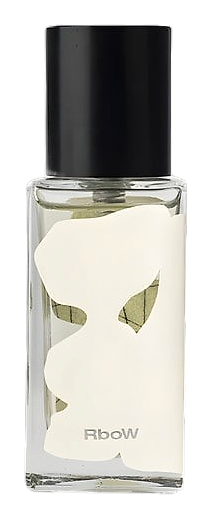
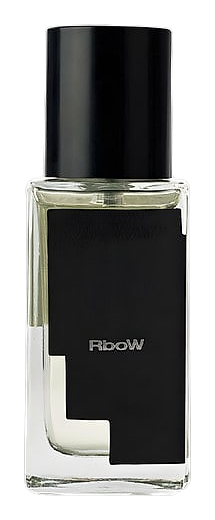
Case Study #4 Black Wood represents early work from a house still defining its voice. RboW approaches fragrance as curated art pieces, and this one fits that aesthetic: dark woods and leather with amber warmth, confident restraint over excess. Community reception leans positive, though data remains sparse.
The House
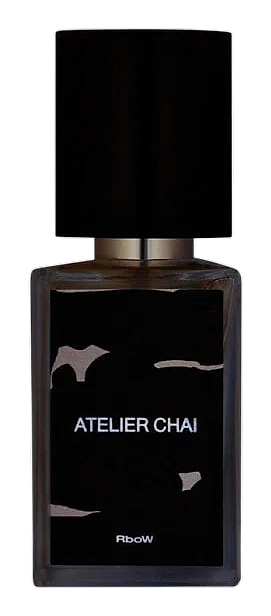
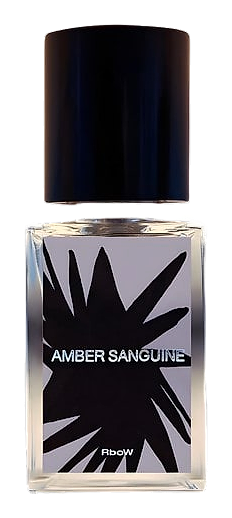
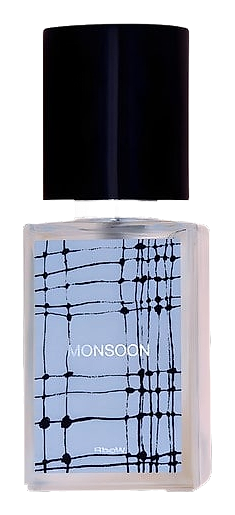
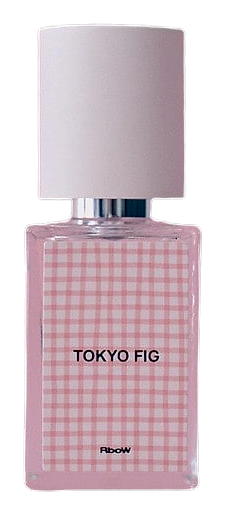
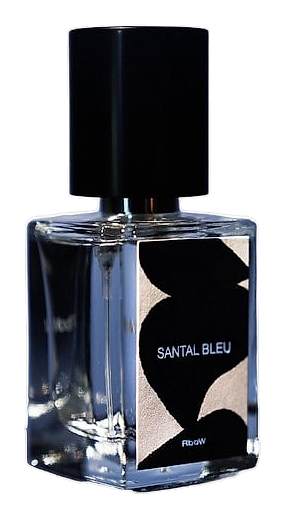
RboWRbow is a Seoul‑based fragrance house that emerged in 2020 with a clear intent: to treat scent as a visual art form. The label releases both personal perfumes and ambient home fragrances, each framed by a narrative drawn from Korean culture, contemporary art, and the natural world. Since its debut, Rbow has introduced a series of limited‑edition scents such as Monsoon (2023), O.A.C (2021), Atelier Chai (2023) and the recent Tokyo Fig (2025). The brand’s catalogue balances bright, citrus‑forward compositions with deeper, resinous statements, offering collectors a concise yet evolving library. Rbow’s products are sold through its own boutique website and a curated network of boutique retailers in Asia and Europe, positioning the house as a modest but steadily growing voice in the niche perfume landscape.
The Creator
Claude DirDir favors a clean, linear architecture. He often opens with a bright citrus or aromatic note, builds a heart of carefully selected florals or spices, and anchors the dry‑down with a restrained woody or musky base.