Ambramone
Ambramone is a synthetic amber compound that replicates the warm, marine essence of natural ambergris—once a rare treasure from sperm whales. Modern perfumers use this lab-created ingredient to add depth, warmth, and staying power to fragrances without relying on scarce natural sources.
Character
How it smells
Synthetic ambergris that captures the ocean's most prized note.
Natural ambergris was so valuable that a single piece could be worth more than its weight in gold during the Renaissance.





Origin
Switzerland
Ambergris held an almost mythical status in perfumery for centuries. Sailors and beachcombers would stumble upon gray, waxy lumps along remote coastlines—the result of sperm whale digestion expelled into the sea.
These fragments could sell for extraordinary prices, yet their authenticity required careful verification since fraudulent substitutes periodically entered the market. By the early twentieth century, demand for ethical and consistent ingredients drove chemists to recreate ambergris synthetically.
Ambramone emerged as one of several successful alternatives, offering perfumers the treasured warm, marine notes without the scarcity, ethical concerns, or price volatility of natural ambergris. This shift marked a broader transition in perfumery toward sophisticated synthetic ingredients that maintain the sensory qualities of rare natural materials.
Wears it best
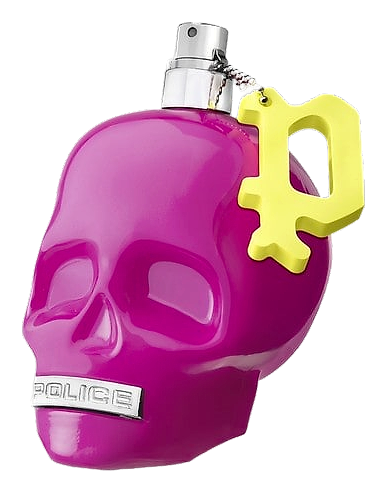
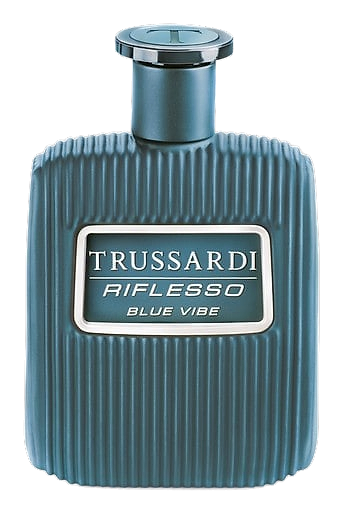
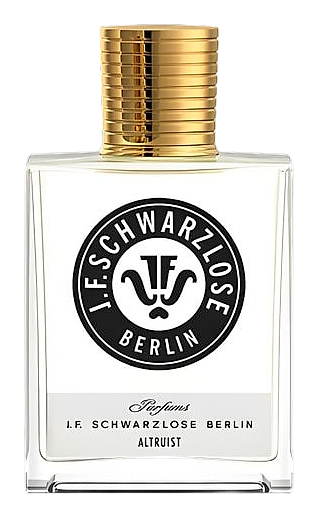
Fragrances featuring Ambramone
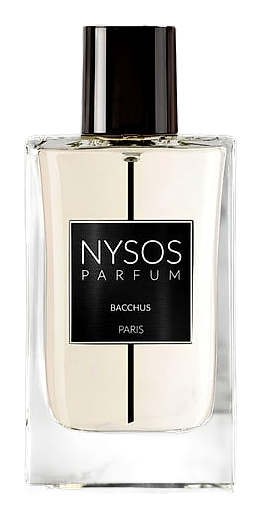
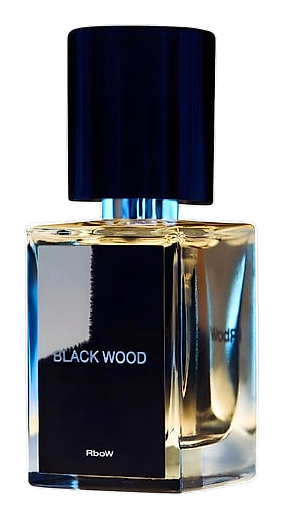
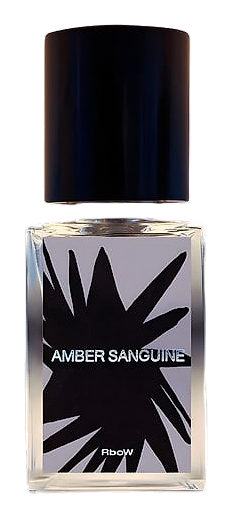
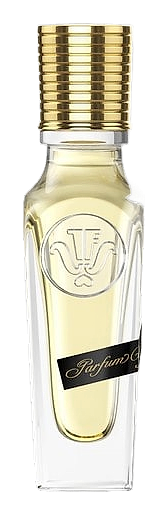
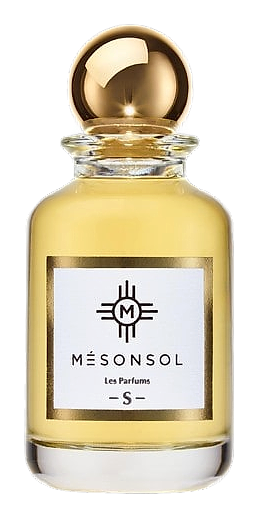
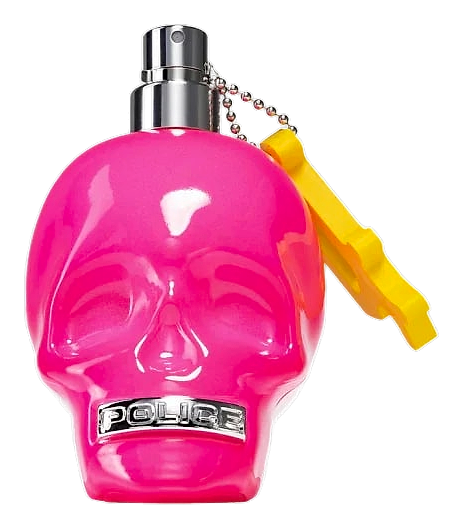
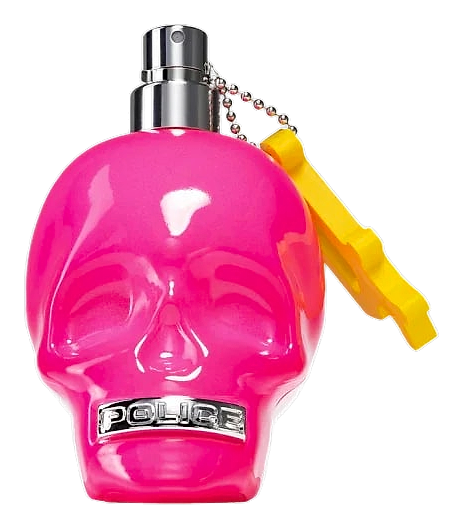
Brands
Brands known for Ambramone
Good to know
Questions, answered
The essentials on Ambramone in perfumery: how it smells, where it comes from, and how it behaves on skin.
What does Ambramone smell like?
Ambramone delivers warm, slightly sweet amber notes with marine and mineral undertones reminiscent of natural ambergris. It adds depth and fixative properties to fragrance compositions.
Is Ambramone natural or synthetic?
Ambramone is entirely synthetic. Chemists create it in laboratories using organic synthesis techniques, eliminating dependence on rare natural sources.
Why do perfumers use Ambramone instead of natural ambergris?
Natural ambergris is extremely scarce and expensive. Ambramone provides consistent quality, ethical sourcing, and the same warm amber character at a more accessible price point.
What fragrances typically contain Ambramone?
Ambramone appears in oriental fragrances, chypres, and amber-heavy compositions. It works particularly well in base notes where its fixative qualities help other ingredients develop and linger.
Is Ambramone safe for skin use?
Ambramone meets International Fragrance Association safety standards when used at recommended concentrations. Cosmetic-grade versions undergo purity testing for dermal application.
How much Ambramone do perfumers typically use?
Concentrations generally range from 0.5 to 3 percent in fragrance formulas. Its potency means even small amounts contribute significant amber character to compositions.
When was Ambramone developed?
Synthetic amber alternatives emerged in the early twentieth century as chemists sought ethical, consistent replacements for natural ambergris, which remained scarce and difficult to verify.
Can Ambramone replace natural ambergris in any fragrance?
For most fragrance types, yes. Ambramone captures the essential warm, marine character. Niche perfumers sometimes combine it with tiny amounts of natural ambergris for additional complexity.