
The Story
Why it exists.
The beginning
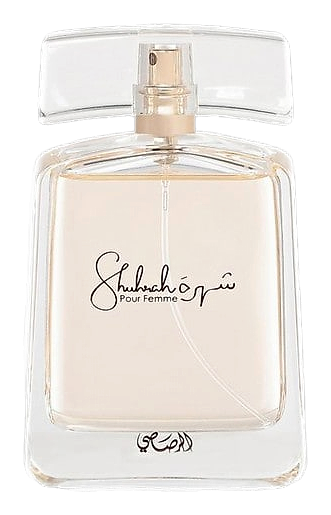
Shuhrah takes its name from the Arabic word for gratitude, a sentiment at once intimate and ceremonial. The fragrance was designed to capture a particular kind of elegance: one rooted in Middle Eastern perfumery tradition but open enough to travel. Where many oriental fragrances lean heavy from the first spray, Shuhrah builds. It opens bright and almost airy, then deepens as the florals give way to woods. The name carries weight without the fragrance needing to announce it.
What makes this structure unusual is the pairing of cool, green sage against warm, animalic ambergris. Those two materials rarely share the same sentence, one reads as Mediterranean and sharp, the other as deep-sea and ancient. Here they bracket the composition, with lily of the valley and jasmine holding the middle ground. The oud arrives late and doesn't apologize for itself. It's not a supporting player in the drydown. It is the drydown.
The evolution
The opening is lemon and sage, citrus bright, herbal, almost astringent. It lasts maybe twenty minutes before the florals take over. Lily of the valley dominates the mid-phase, sweeter than the top but still clean, with jasmine threading underneath and a cool iris note keeping everything upright. Then the base arrives. Patchouli and oud emerge together, dark and earthy, with ambergris adding a salt-animal warmth that shifts the whole fragrance from daytime to something you wear when the light drops. On skin, this holds for 8-10 hours easily. On fabric, it carries into the next day.
Cultural impact
Shuhrah Pour Femme sits comfortably in the overlap between traditional oriental fragrance and modern white floral. It performs well in cooler seasons but holds its own in warmer months too, which explains its year-round popularity among people who want something that reads as both familiar and unexpected. The oud in the base appeals to those who typically avoid oriental fragrances in women's wear, it adds depth without the heavy sweetness that can feel costume-y.