The Story
Why it exists.
The beginning
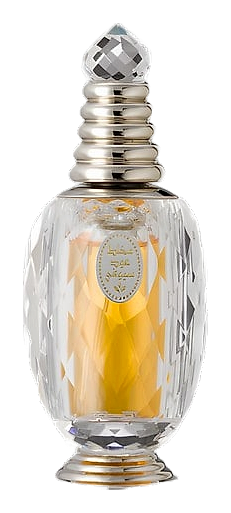
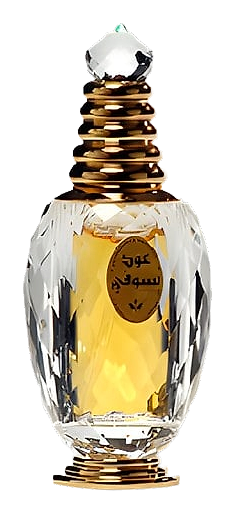
The name says it plainly. Oudh al Suifi draws on two of perfumery's most storied oud sources, Indian and Cambodian, and refuses to pick a favorite. The composition from Rasasi leans into both materials at full strength, letting each one speak with its native accent. The Indian wood brings the feral, almost leathery intensity that old-school Arabian perfumery built its reputation on. The Cambodian oud tempers it with a cleaner, slightly resinous clarity. Together they form a conversation between two traditions, neither one backing down. There's no soft opening designed to ease you in. This is oud that walks in like it owns the place, then asks the spices to keep up.
What makes this composition worth paying attention to is the double-oud structure. Here, the two are placed at both the top and the base, bookending the composition with the same material in two different dialects. The spicy middle acts as a translator, a brief passage of warmth that bridges the raw opening to the smoothed-out drydown where sandalwood and amber settle the whole thing into something almost meditative. It's a structurally deliberate fragrance wearing the clothes of a simple one.
The evolution
The first ten minutes are confrontational. The Indian oud announces itself with that distinctive barnyard edge, fermented and slightly fecal in the way that real, unprocessed oud can be. If that sounds unpleasant, it isn't. It's the smell of wood that has been alive, aged, and transformed by fungus into something no other raw material can replicate. The Cambodian oud eventually starts to surface, pulling the composition toward something cooler and more refined, though the Indian presence never fully steps aside. The spices never announce themselves as a separate phase either. They thread through the transition like a current, dry and peppery, woven into the wood rather than sitting on top of it. As the hours pass, the feral edge softens considerably.
Cultural impact
Oudh al Suifi occupies a specific place in the landscape of oud-dominant fragrances. It doesn't water itself down for the uninitiated, and it doesn't apologize for the intensity of its raw woods. Wearers who gravitate toward this kind of composition tend to already know what real oud smells like and want more of it, not less. This is the kind of fragrance that gets passed between enthusiasts who have already burned through the lighter, more approachable oud offerings and are looking for something with teeth. The cultural weight here is significant.