
The Story
Why it exists.
The beginning
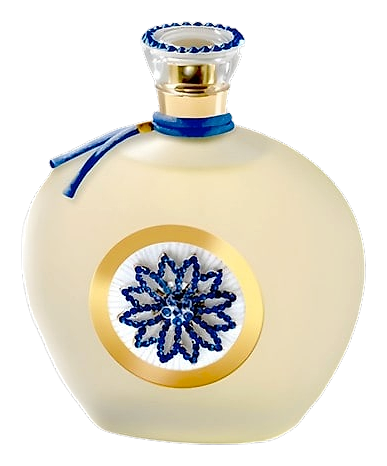
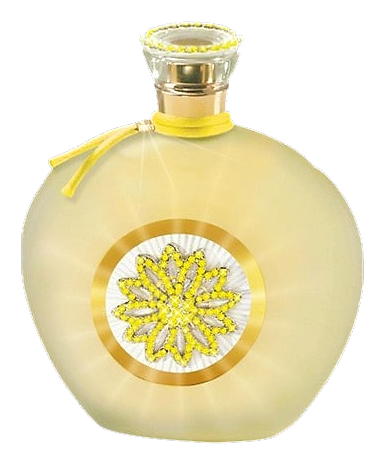
Christian Carbonnel designed Tubéreuse Amour in 2012 as part of a deliberate statement about what white florals could be. The name alone, Amour, love, tells you where the heart sits. But the composition refuses sentimentality. Rather than build a tuberose fragrance that overwhelms from the first spray, Carbonnel structured an opening that pushes back against the bloom itself. Violet leaf and neroli arrive cool, almost mineral, creating a tension that the Indian tuberose has to earn its way through. The 2012 launch placed it alongside Jasmine du Malabar and Rose de Rose in the house's Les Étoiles collection, a trio built around the idea that precious materials should tell stories with more than one voice. For this one, the story is about restraint as a form of desire.
What makes the pyramid interesting is the osmanthus. Chinese osmanthus is not a standard floral, it's fruity, almost leather-like at its edges, with a peachy sweetness that sits strangely alongside tuberose's tropical creaminess. That collision is where this fragrance earns its complexity. The Turkish rose doesn't perform the usual support role either; it adds a dry, almost waxy quality that keeps the heart from becoming too soft. Together with the Indian tuberose, these three florals form a conversation instead of a chorus. The Mysore sandalwood and iris in the base then do something unexpected: they make the whole thing powdery without losing its warmth, a drydown that reads as intimate rather than distant.
The evolution
The opening hits clean and bright, bergamot and violet leaf give you about twenty minutes of something that smells like cool air before the flowers push through. Then the Indian tuberose arrives, but not with the usual blunt force. It's gradual, almost hesitant, like someone entering a room they weren't sure they were invited to. Osmanthus and Turkish rose flank it, adding a dry fruit note and a waxy warmth that keeps the tuberose from reading as pure tropical cream. By the third hour, the composition shifts. The florals thin and the base takes over, sandalwood and iris create a powdery warmth that sits close to the skin. Patchouli and musk ground it, keeping the drydown from becoming delicate. Eight to ten hours on most skin, by the end it's barely a whisper on the wrist, the kind of scent you find yourself pressing to your nose at odd moments the next morning.
Cultural impact
Rancé 1795's 2012 launch of Tubéreuse Amour arrived during a period when tuberose was experiencing a resurgence in niche perfumery. Where mainstream houses had treated tuberose as a warm, immediate floral statement, the Les Étoiles collection took a more analytical approach. The cool green opening that delays the bloom became a conversation piece in fragrance circles, challenging the assumption that white florals must announce themselves immediately. In the years since, this compositional strategy has been cited as an influence by newer houses exploring tension and restraint in floral compositions.