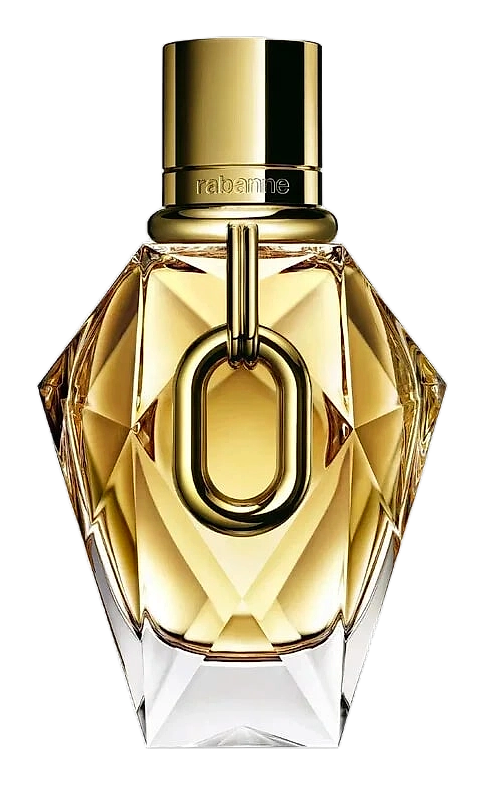
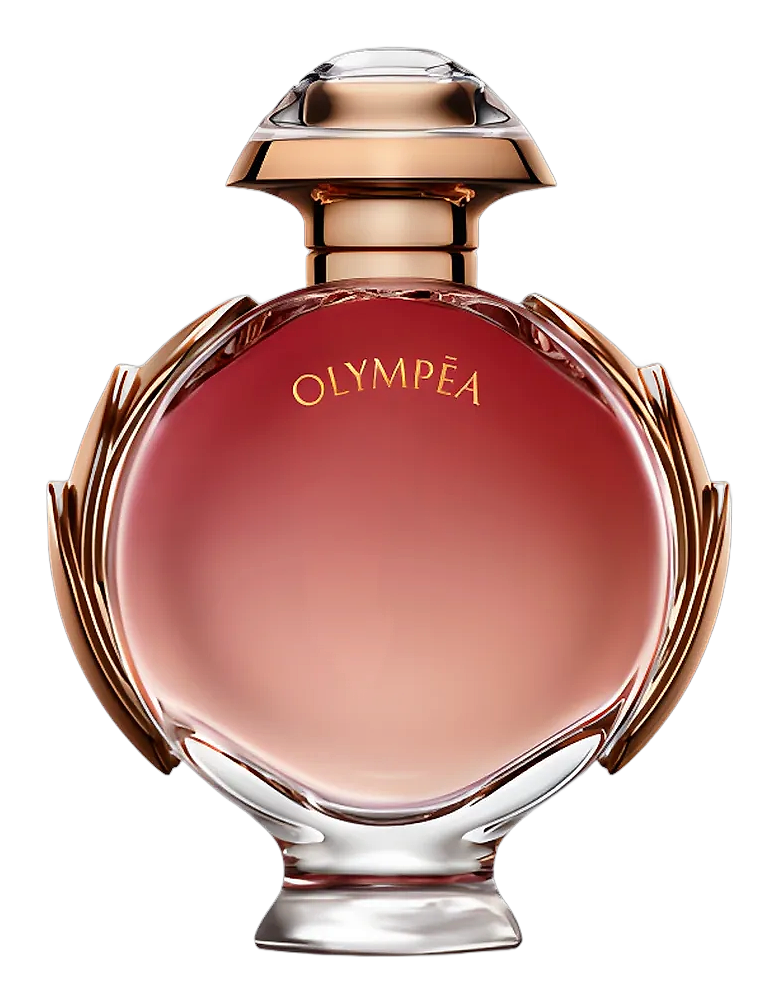
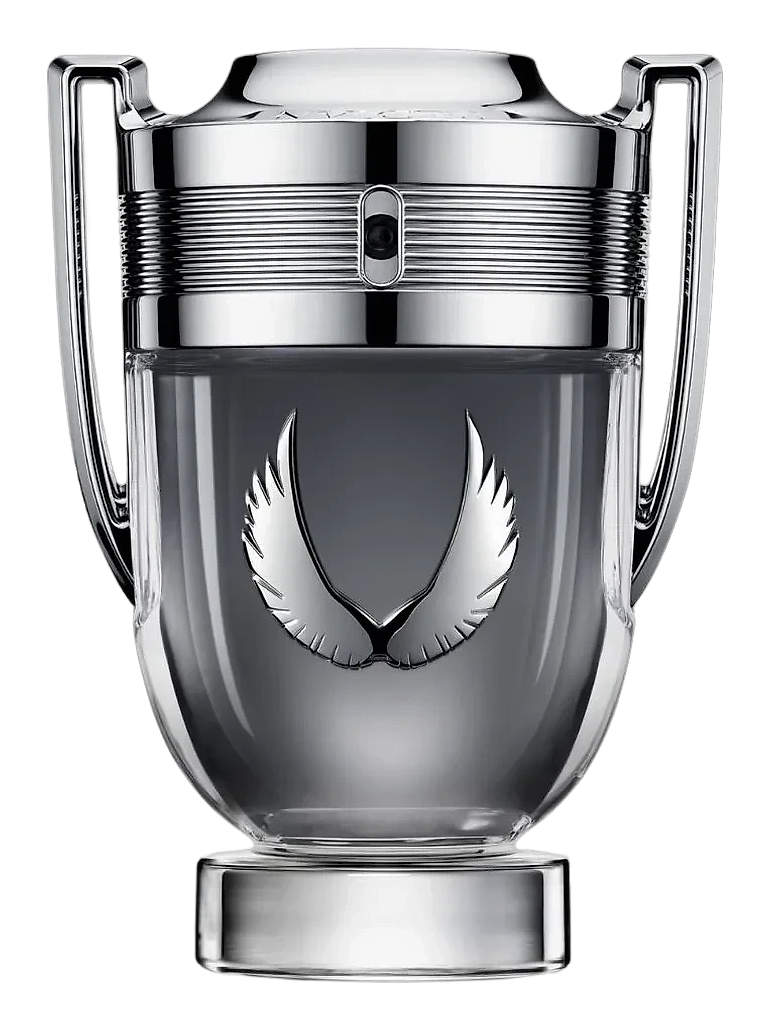
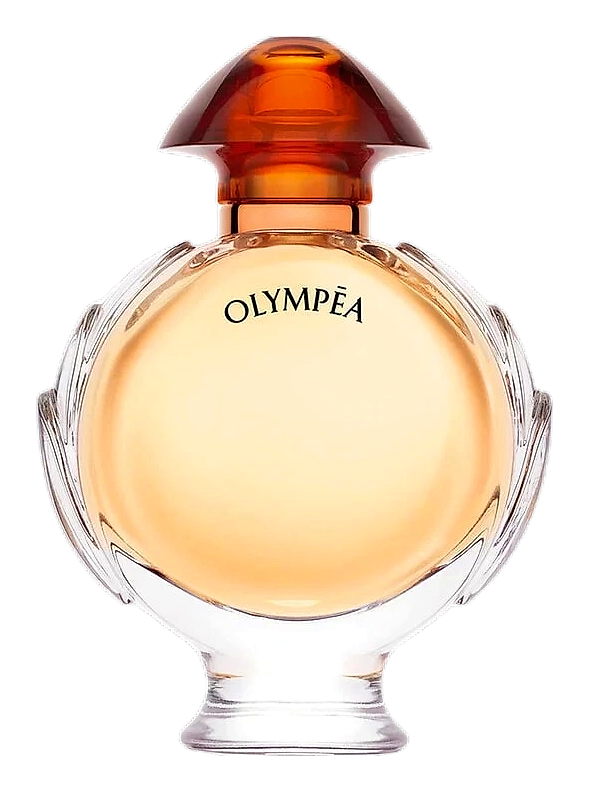
The Story
Why it exists.
The beginning
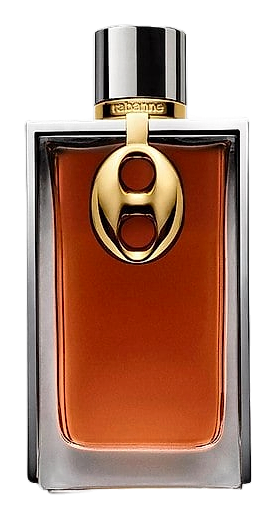
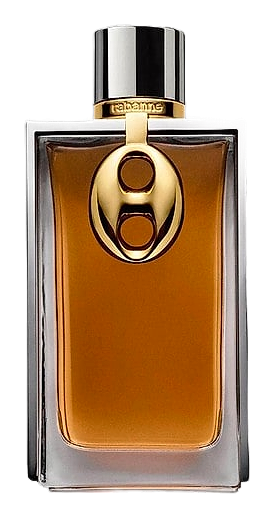
Silver Skin arrived in 2024 from Fabrice Pellegrin with a single obsession: the sensation of skin itself. Not skin dressed in fragrance, skin as the material. The name carries that literalness. Silver as in cold, shimmering, the temperature just before warmth. Skin as in close, intimate, impossible to separate from the body wearing it. The result is a high-contrast composition that earns its name by actually feeling like both things at once. The cool metallic shimmer gives way to something deeply personal, creating an experience that challenges traditional fragrance boundaries.
The heart of this fragrance lives in the space between two materials that rarely share equal billing. Iris provides coolness without coldness, a powdery violet character that feels almost clinical in its precision. Benzoin brings warmth without heaviness, a balsamic sweetness that rounds edges rather than filling space. The tension between these two materials defines Silver Skin's entire structure. Here, Pellegrin gives iris the stage and lets benzoin provide the warmth that keeps the coolness from feeling clinical. The interplay creates something that feels simultaneously metallic and tender.
The evolution
The opening announces pink pepper first, a bright, slightly fruity spice that catches attention without screaming. Within minutes, the iris arrives and shifts everything. The pepper doesn't disappear; it retreats to the periphery, adding dimension rather than dominating. The iris takes over the center stage and holds it. As it settles, the cool powdery quality softens into something more intimate, more skin-like. The benzoin emerges from below, not as a dramatic reveal but as a gradual warming, the sensation of skin temperature rising as blood moves closer to the surface. The drydown is where this fragrance earns its name. The resinous warmth of benzoin combines with vanilla absolute to create something that reads as skin-warm rather than perfume-warm.
Cultural impact
Silver Skin arrived in 2024 as part of Rabanne's La Collection, positioning itself as distinctly personal rather than universally crowd-pleasing. It's a fragrance for people who want scent to feel physical. The cool metallic shimmer gives way to something intimate and almost tender, creating an experience that feels both refined and deeply personal. This isn't a safe choice, it's a study in contrasts that manages to feel both ethereal and grounded.
The House
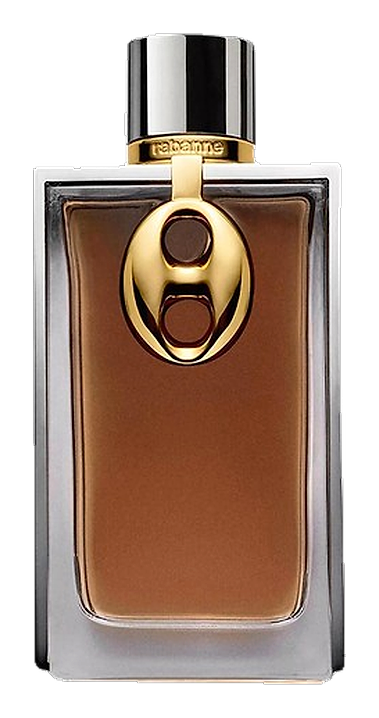
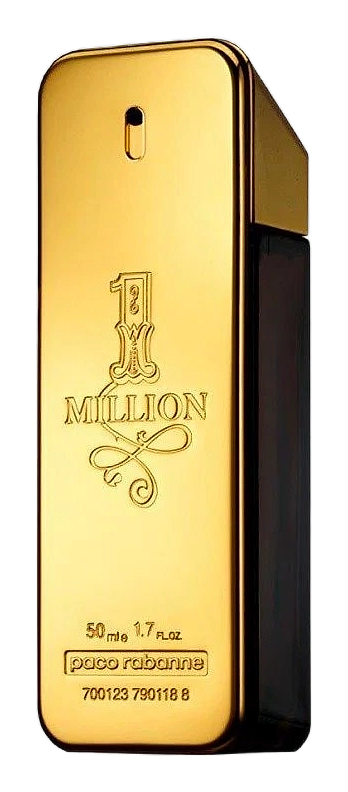
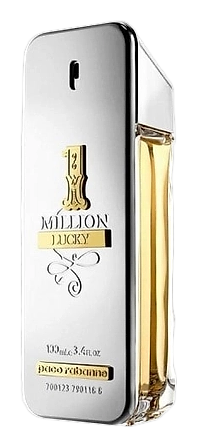
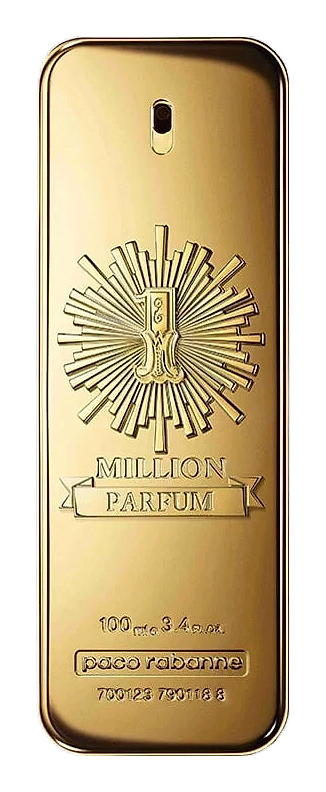
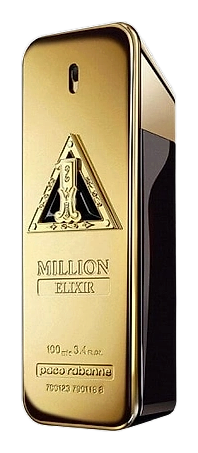
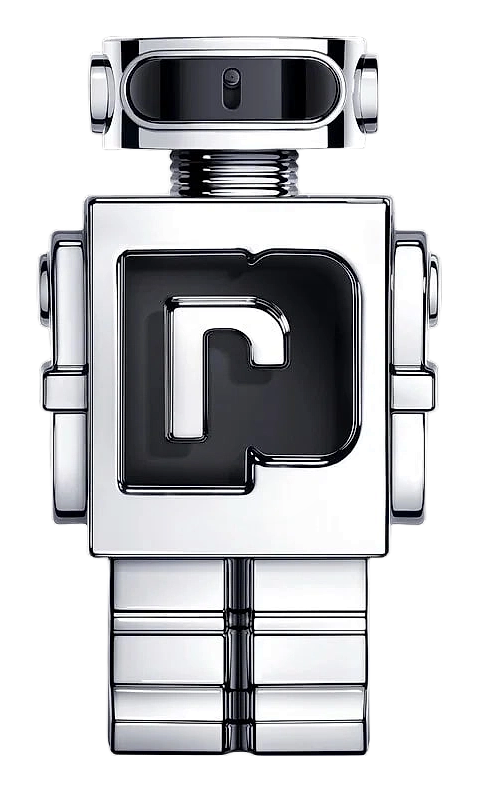
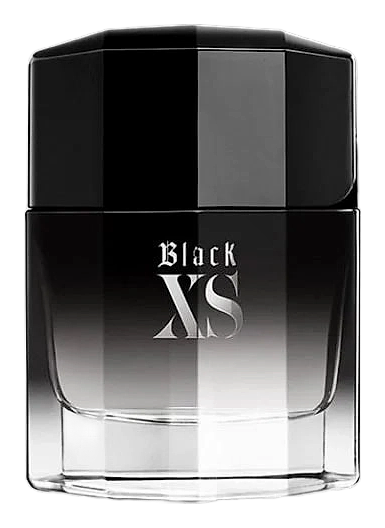
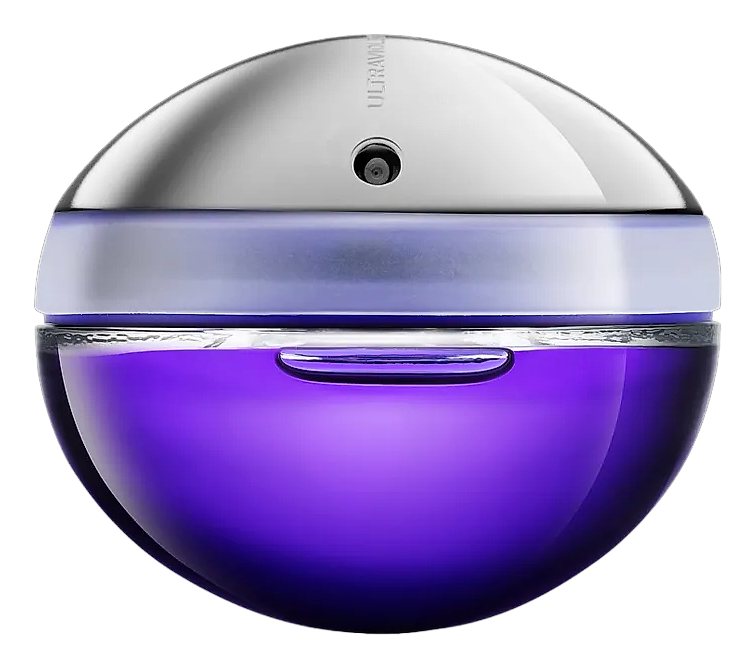
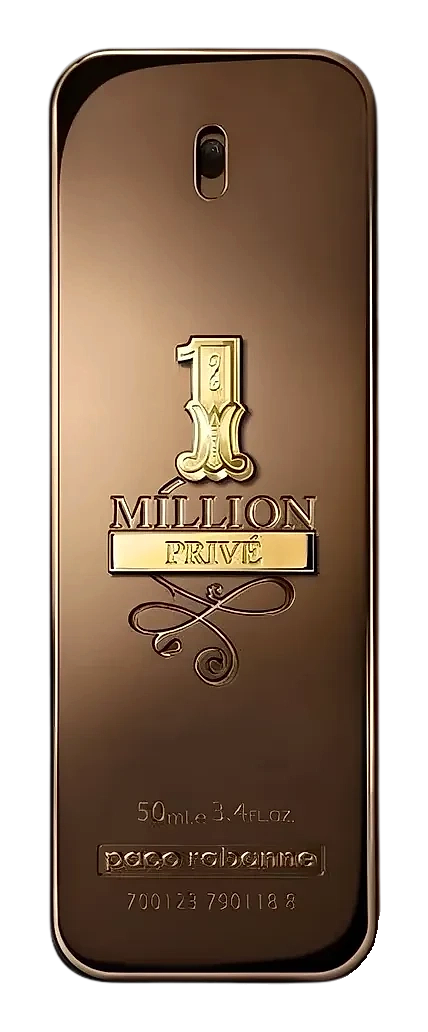
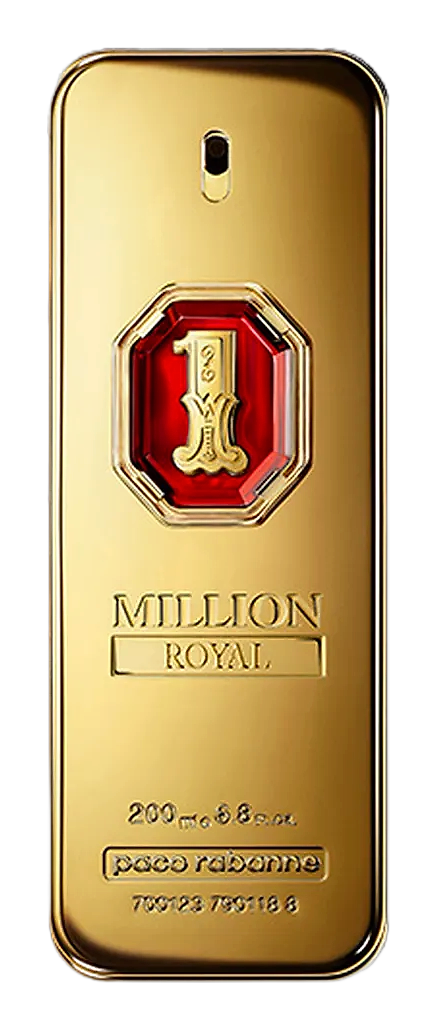
RabanneRabanne is a Paris-based fashion and fragrance house founded by Spanish-born designer Francisco Rabaneda Cuervo, known professionally as Paco Rabanne. The house established itself in perfumery through a partnership with Spanish fragrance company Puig, beginning with the 1969 launch of Calandre. The brand's olfactory identity draws from its fashion heritage: architectural construction, metallic materials, and provocative design language that challenged 1960s fashion conventions. Rabanne built a portfolio of over 85 fragrances spanning multiple decades, from aldehydic florals and aromatic fougeres to orientals and fresh aquatic compositions. The house's gold ingot-shaped bottle for 1 Million (2008) became one of the most recognizable fragrance silhouettes in global retail. Nadia Dhouib was appointed General Manager in April 2022 after serving at Galeries Lafayette, tasked with unifying the brand's fashion and fragrance voices and expanding audience reach. In mid-2023, the house rebranded from Paco Rabanne to simply Rabanne, completing that consolidation.
The Creator
Fabrice PellegrinPellegrin's style often leans towards a bright, fresh feel, frequently incorporating citrus notes and clean musks. He's known for his skill in creating light and airy fragrances, yet with surprising depth and longevity.