
The Story
Why it exists.
The beginning
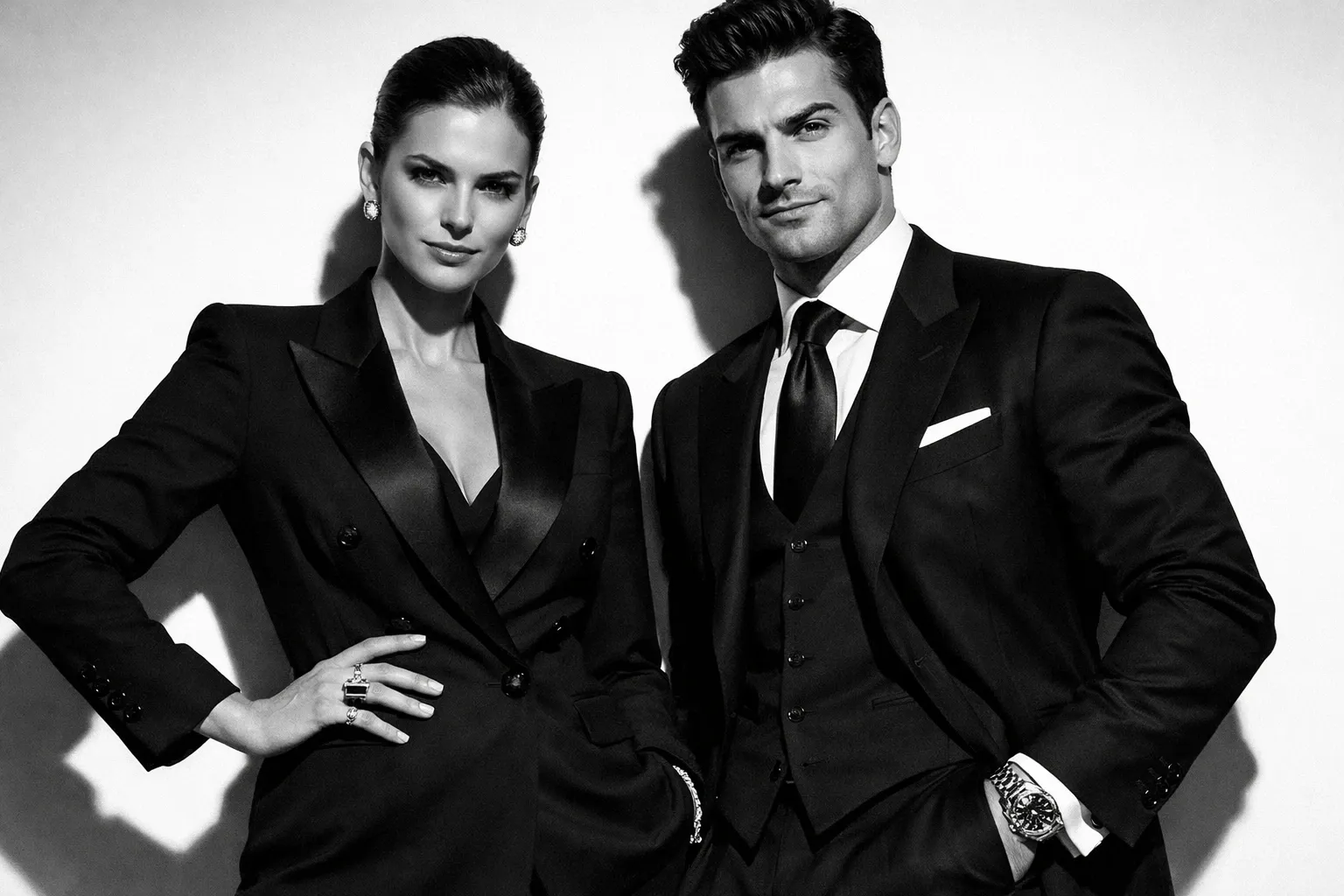
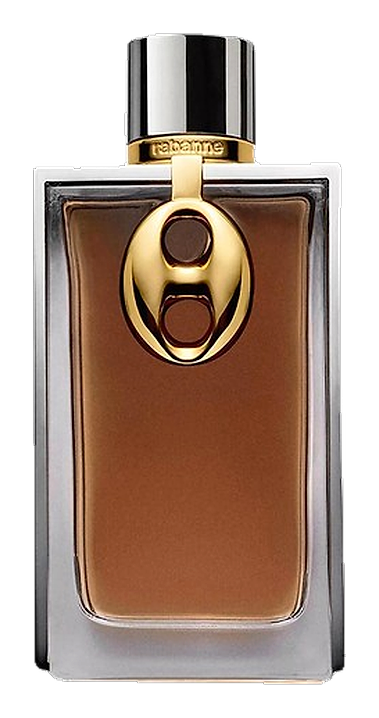
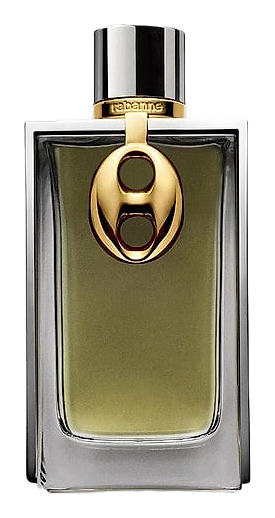
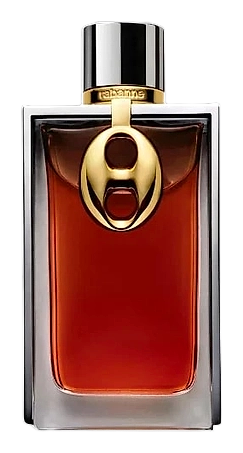
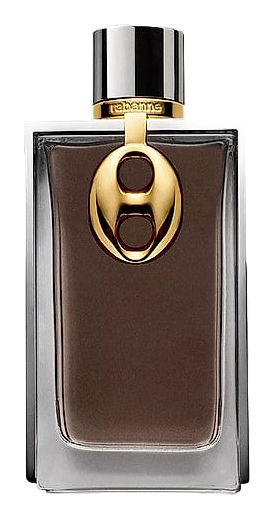
Oud Montaigne takes its name from the Montaigne, the Parisian avenue where fashion and old money converge behind Haussmann facades. Rabanne has always operated in that world, designing for the kind of woman who wears chain mail to a gala. The house built its fragrance identity around provocation, contrast, and sensory impact. Oud Montaigne is the latest expression of that philosophy, designed by Fabrice Pellegrin for La Collection Rabanne, the bolder, more architectural line that draws from the house's fashion heritage.
The composition centers on a leather-oud accord, then layers it with blue plum and cognac-scented davana for sweetness, assertive cedarwood for structure, and smoky sandalwood for the drydown. The result feels deliberately constructed, not blended, but assembled. Each note has its place and purpose. The plum doesn't soften the oud; it complicates it. The leather doesn't warm the base; it sharpens it. This is what happens when a fashion house that built its name on industrial materials and structural innovation turns its attention to fragrance.
The evolution
The opening hits with liquor and plum liqueur, immediate sweetness, almost medicinal in its intensity. Cardamom threads through, keeping the sweetness honest. Within twenty minutes, cedar takes over, and the composition shifts from fruit to structure. The sweetness doesn't disappear; it recedes, becoming a background warmth rather than the main event. The drydown is where the leather and oud finally meet, and they don't merge so much as take turns. Leather first, then oud, then leather again. Eight to ten hours on most skin, with strong sillage that announces the wearer before she enters the room. The next morning, a faint trace of cedar and oud remains on fabric, the smell of an evening that went on longer than planned.
Cultural impact
Oud Montaigne joined La Collection Rabanne in 2024, positioned as one of the house's more ambitious fragrances, bolder than the commercial flankers, more architectural in its construction. The collection draws from the house's founding identity, using the metallic-and-concrete visual language as a reference point for compositions that feel deliberately built. Rabanne's philosophy, fresh first, then structured, plays out here in a fragrance that opens sweet, then shifts to cedar, then settles into leather and oud. It's held up since launch as a distinctive entry in the oud-leather space, finding its audience among wearers who want structure with their sweetness.
The House
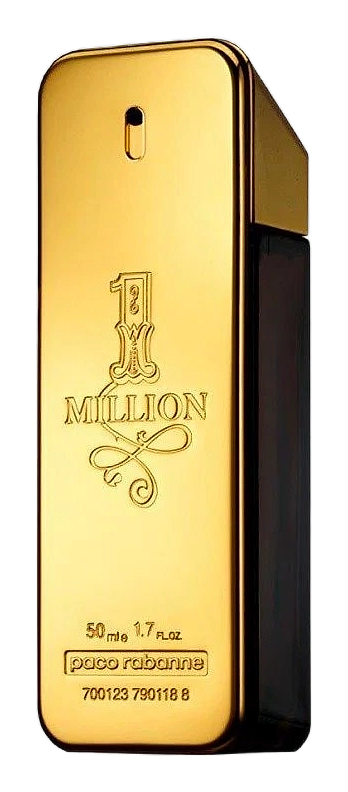
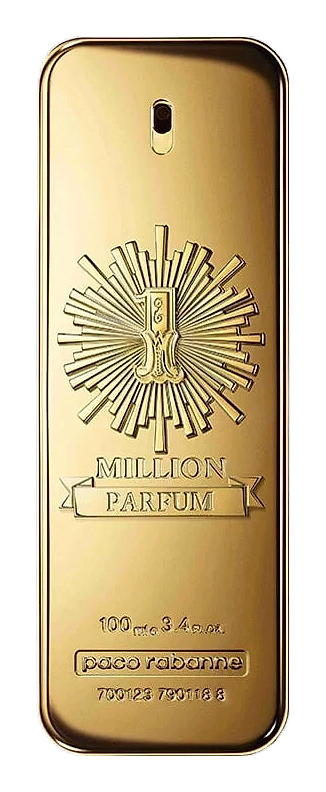
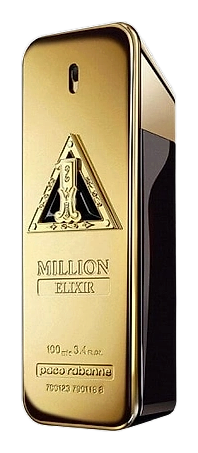
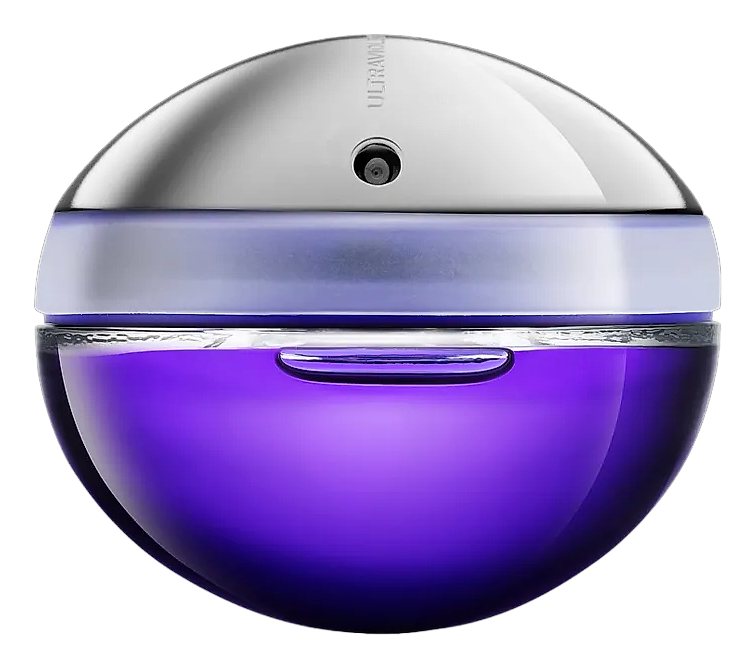
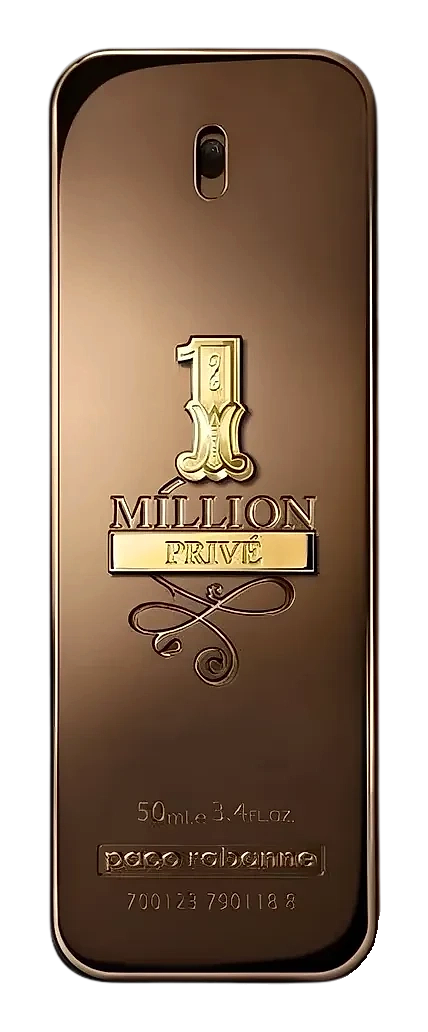
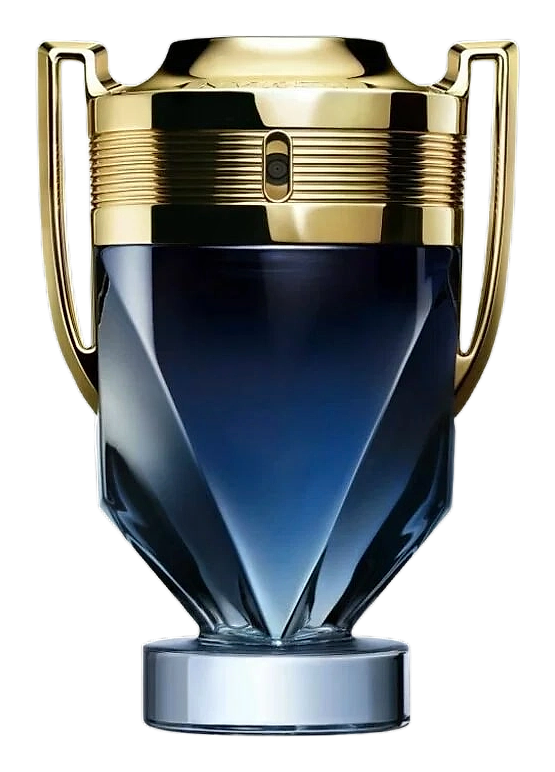
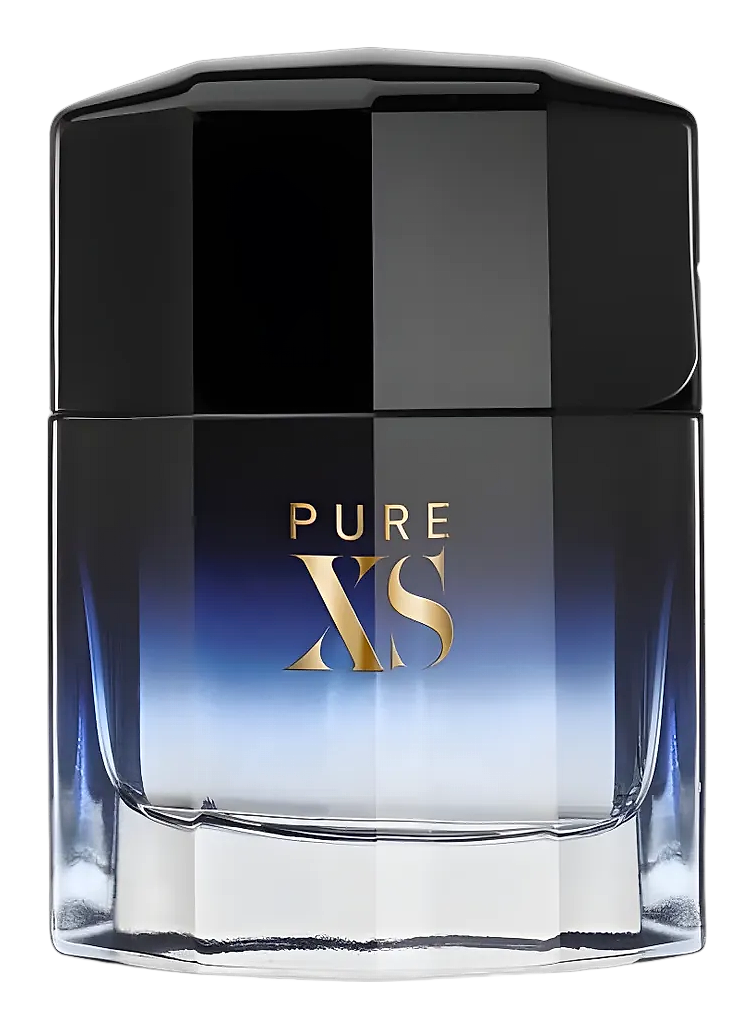
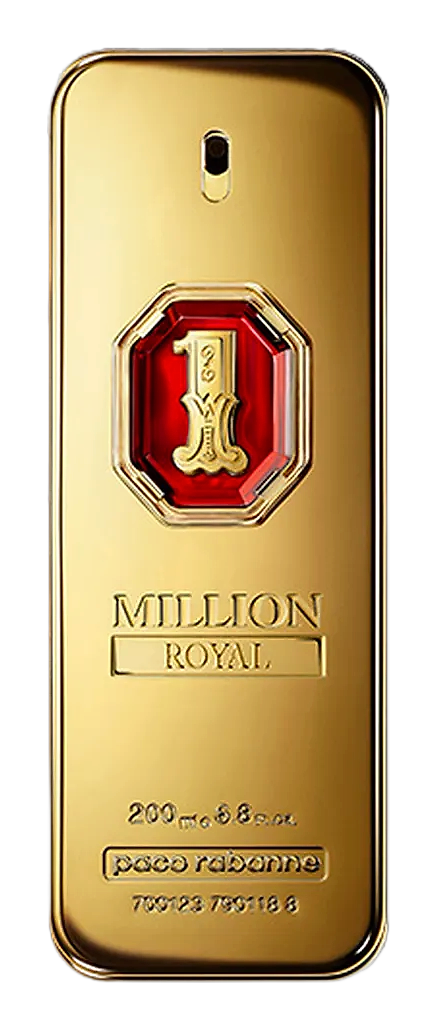
RabanneRabanne is a Paris-based fashion and fragrance house founded by Spanish-born designer Francisco Rabaneda Cuervo, known professionally as Paco Rabanne. The house established itself in perfumery through a partnership with Spanish fragrance company Puig, beginning with the 1969 launch of Calandre. The brand's olfactory identity draws from its fashion heritage: architectural construction, metallic materials, and provocative design language that challenged 1960s fashion conventions. Rabanne built a portfolio of over 85 fragrances spanning multiple decades, from aldehydic florals and aromatic fougeres to orientals and fresh aquatic compositions. The house's gold ingot-shaped bottle for 1 Million (2008) became one of the most recognizable fragrance silhouettes in global retail. Nadia Dhouib was appointed General Manager in April 2022 after serving at Galeries Lafayette, tasked with unifying the brand's fashion and fragrance voices and expanding audience reach. In mid-2023, the house rebranded from Paco Rabanne to simply Rabanne, completing that consolidation.
The Creator
Fabrice PellegrinPellegrin's style often leans towards a bright, fresh feel, frequently incorporating citrus notes and clean musks. He's known for his skill in creating light and airy fragrances, yet with surprising depth and longevity.