Plum Liqueur
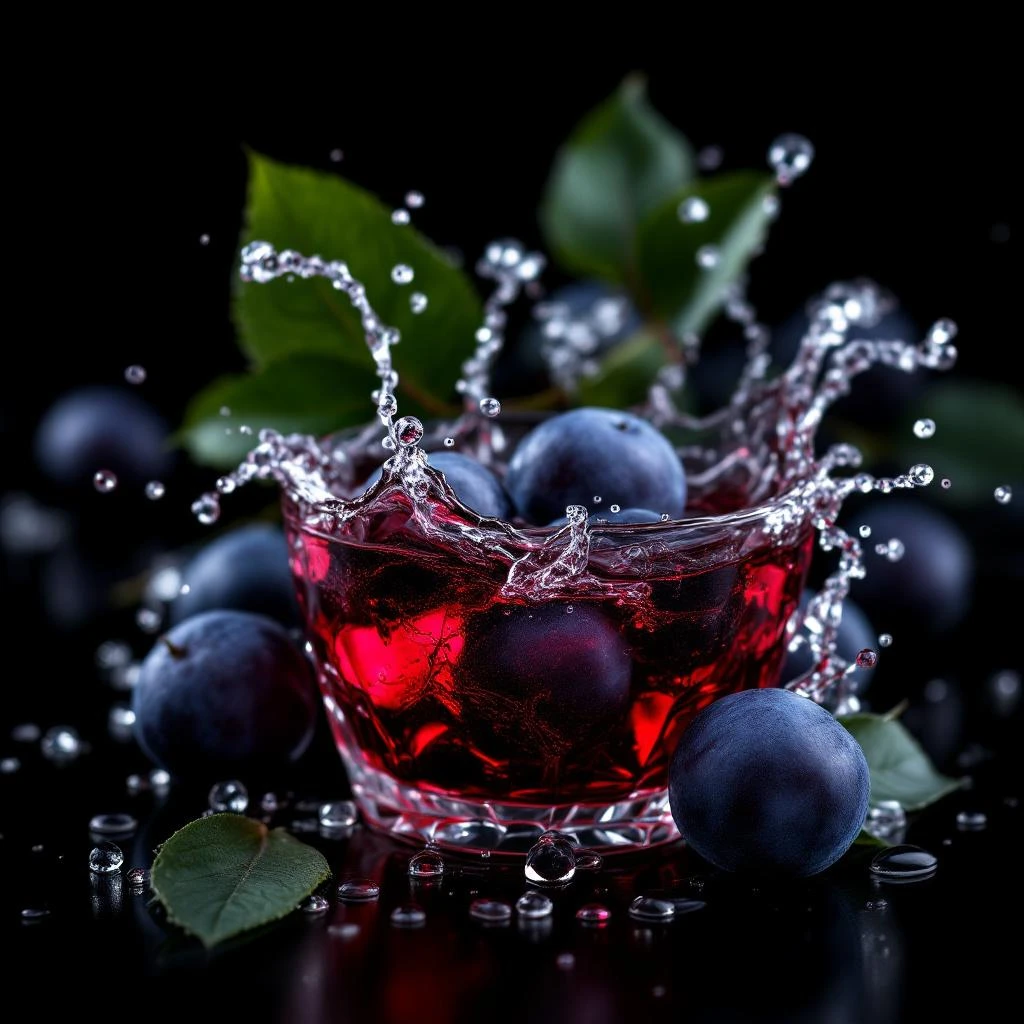
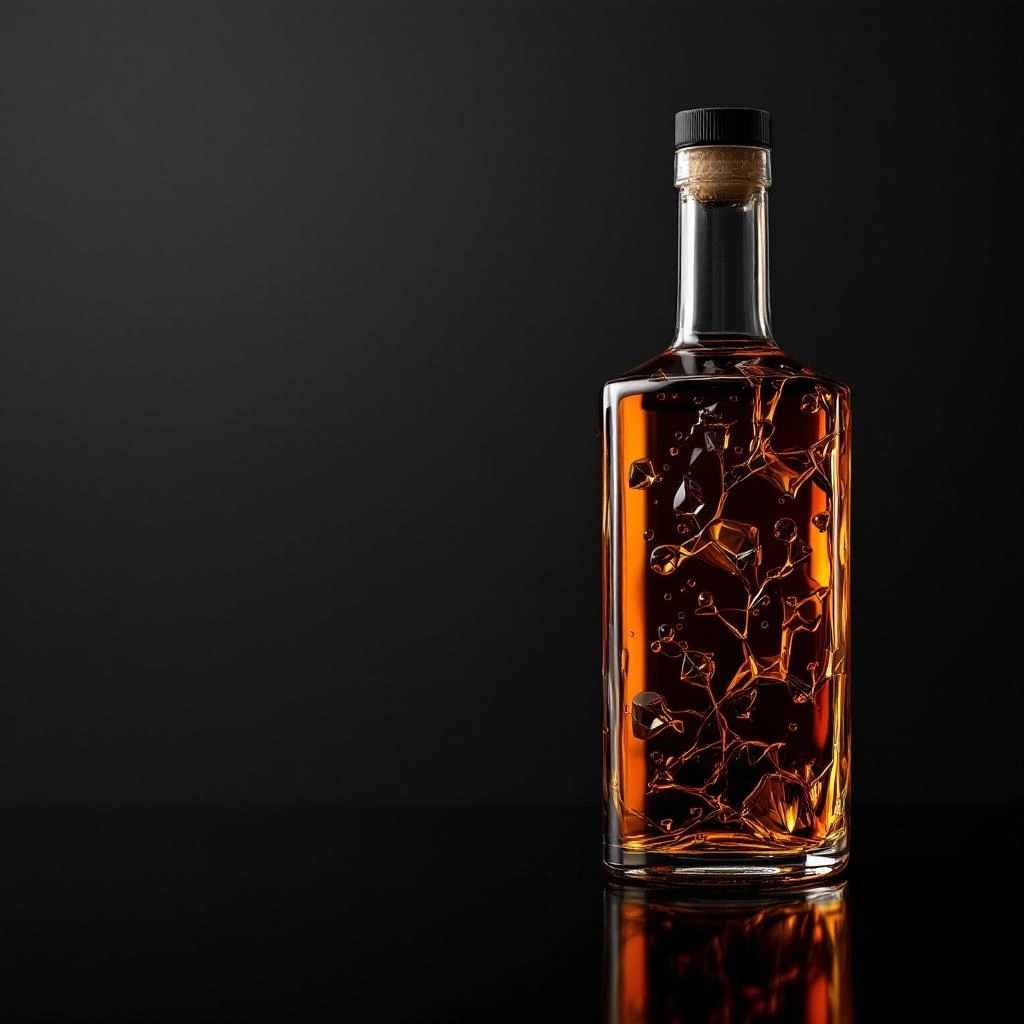
Plum adds a velvety, liqueur-like facet to fine fragrances. This juicy fruit note weaves floral sweetness with a subtle boozy depth, lending both masculine and feminine compositions an unmistakable air of indulgence.
Character
How it smells
Velvety, jammy, and unapologetically seductive.
Plums belong to the Rosaceae family, sharing molecular ancestry with roses. Damascoones, the compounds that give plum its fruity-floral character, are also found in rose absolutes.





Origin
China
Plums likely originated in China and spread westward through trade routes during the Roman Empire, when numerous varieties became well-established across Europe. In perfumery, however, the 'plum' note is a distinctly modern invention. Early 20th-century perfumers relied on natural absolutes and essential oils, but lacked molecules sophisticated enough to capture plum's complex fruity-floral character.
The synthetic compounds needed to construct a convincing plum accord only became available in the late 19th and early 20th centuries, after chemistry enabled the creation of ionones and damascones. These discoveries allowed perfumers to build a plum note from scratch, layering fruity molecules with floral undertones to reproduce the velvety, liqueur-like quality that now defines the note in contemporary fragrance.
Wears it best
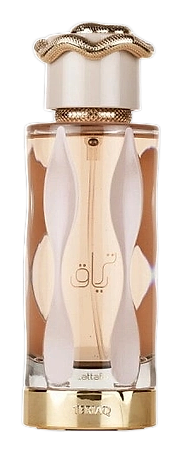
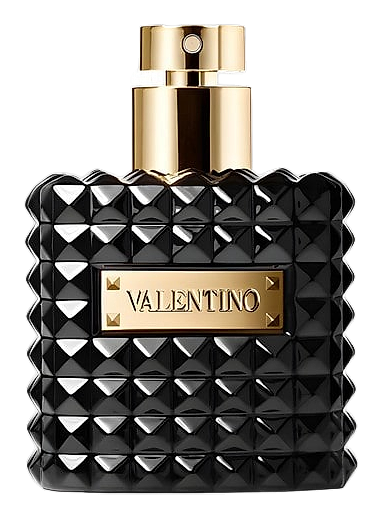
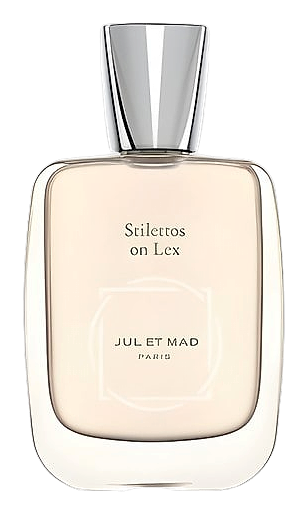
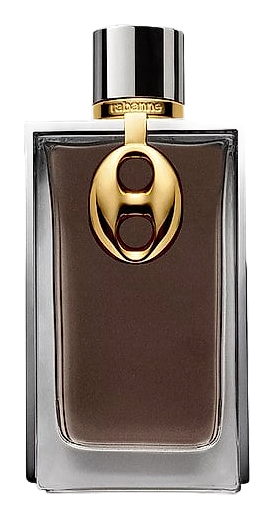
Fragrances featuring Plum Liqueur
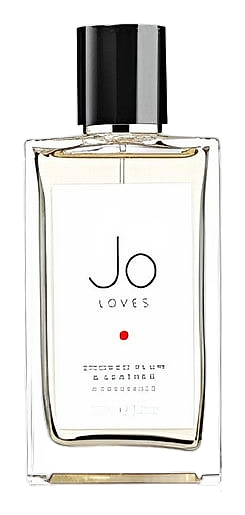
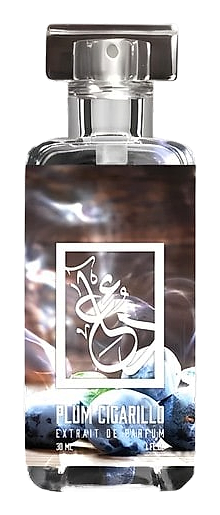
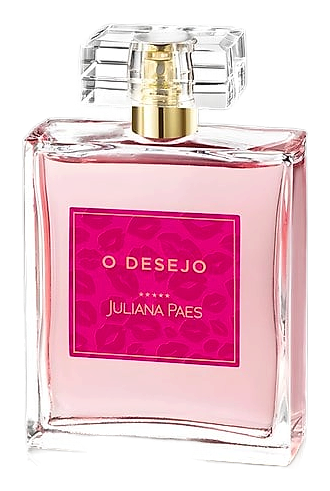
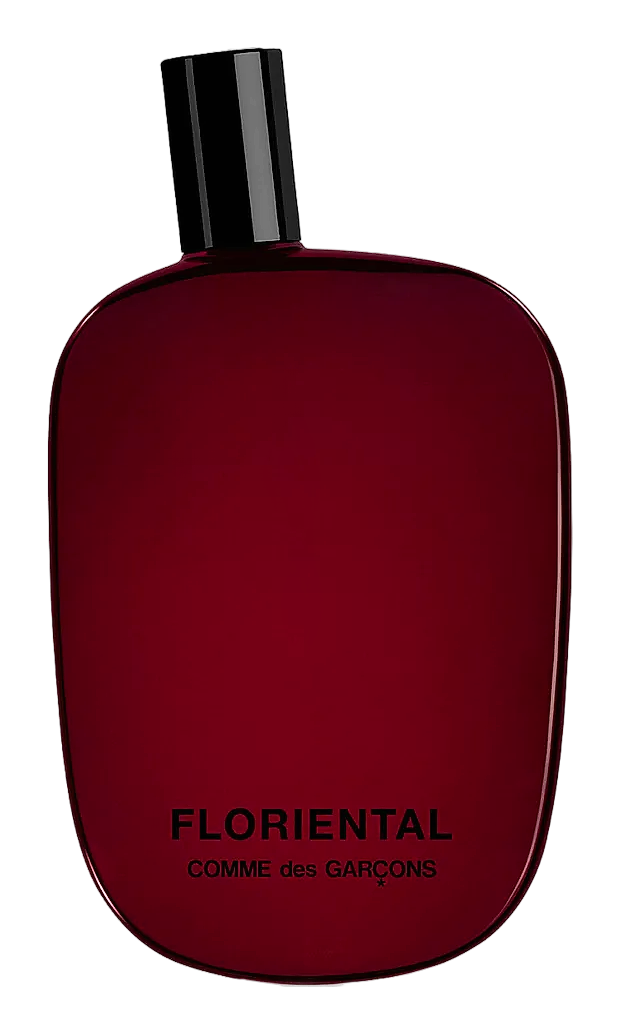
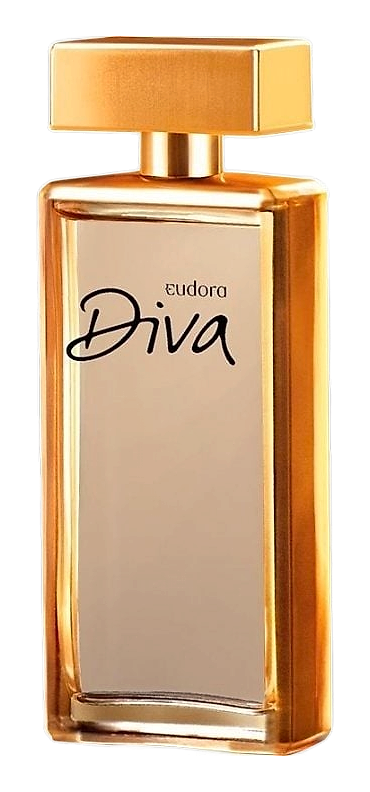

Brands
Brands known for Plum Liqueur
Good to know
Questions, answered
The essentials on Plum Liqueur in perfumery: how it smells, where it comes from, and how it behaves on skin.
What is a 'plum liqueur' note in perfumery?
The 'plum liqueur' note in perfumery is a reconstructed aromatic accord, not a distilled spirit. Perfumers combine synthetic molecules like damascenone and beta-ionone to recreate the fruit's velvety, jammy character with a subtle boozy warmth.
How do perfumers recreate the scent of plum without using the actual fruit?
Modern perfumers use synthesized aromatic compounds, primarily ionones and damascones, to reproduce the fruity-floral scent of plum. These molecules deliver the characteristic juicy, velvety quality that defines the note in fragrance compositions.
Why is plum considered a gourmand ingredient in perfumery?
Plum's natural sweetness, combined with the boozy nuance of its liqueur associations, gives it a culinary quality that recalls desserts and spirits. This makes it a popular choice for creating warm, indulgent accords in both masculine and feminine fragrances.
How does damascenone contribute to the plum note?
Damascenone is a beta-ionone derivative that delivers a powerful fruity-floral scent. It is a key molecule in reconstructed plum accords, adding the characteristic juicy quality and a subtle floral depth that makes the note feel round and natural.
Which fragrance families most commonly feature plum liqueur?
Oriental and chypre fragrances frequently incorporate plum liqueur for its warmth and depth. The note also appears in contemporary fruity-floral and amber compositions, adding richness without overpowering lighter top notes.
How does plum behave in combination with other fragrance ingredients?
Plum pairs well with rose, jasmine, sandalwood, vanilla, amber, and musk. These combinations amplify its velvety character and create gourmand or sensual effects depending on the complementary ingredients used.
When did plum first appear as a named note in Western perfumery?
The synthetic compounds needed to convincingly reconstruct plum only became available in the late 19th and early 20th centuries. The note began appearing in Western fragrances as perfumers gained access to ionones and damascones, which enabled more complex fruit reconstructions.
Can plum be extracted directly from fresh fruit for perfumery use?
Direct extraction from fresh plum is possible but rarely done commercially due to high cost and instability. Instead, perfumers rely on reconstructed accords using synthetic or nature-identical compounds to achieve a consistent, long-lasting plum character.