The Story
Why it exists.
The beginning
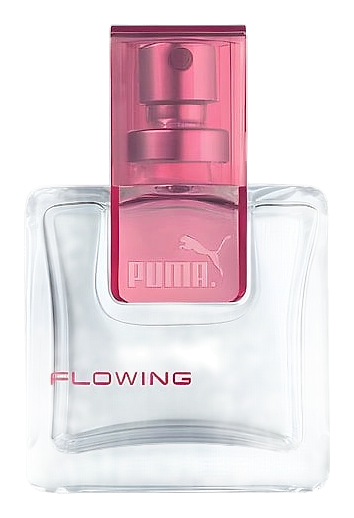
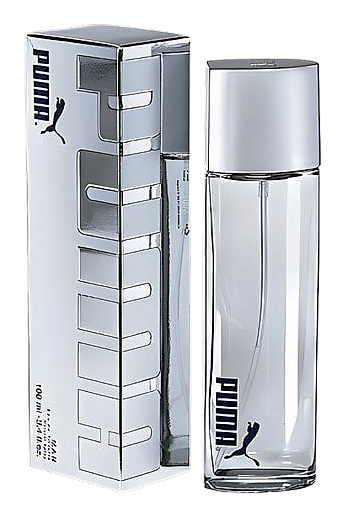
Puma introduced Jamaica Woman in 2004, crafted by perfumer Annie Buzantian. The name says everything, the Caribbean, its warmth, its rhythm translated into scent. This wasn't a fragrance about restraint or complexity. It was about capturing something vivid and letting it loose. Buzantian built it around tropical fruit and coconut, creating a composition that felt like sunlight on skin rather than a carefully constructed perfumery exercise. The brand's athletic heritage informed the approach: movement, energy, accessibility.
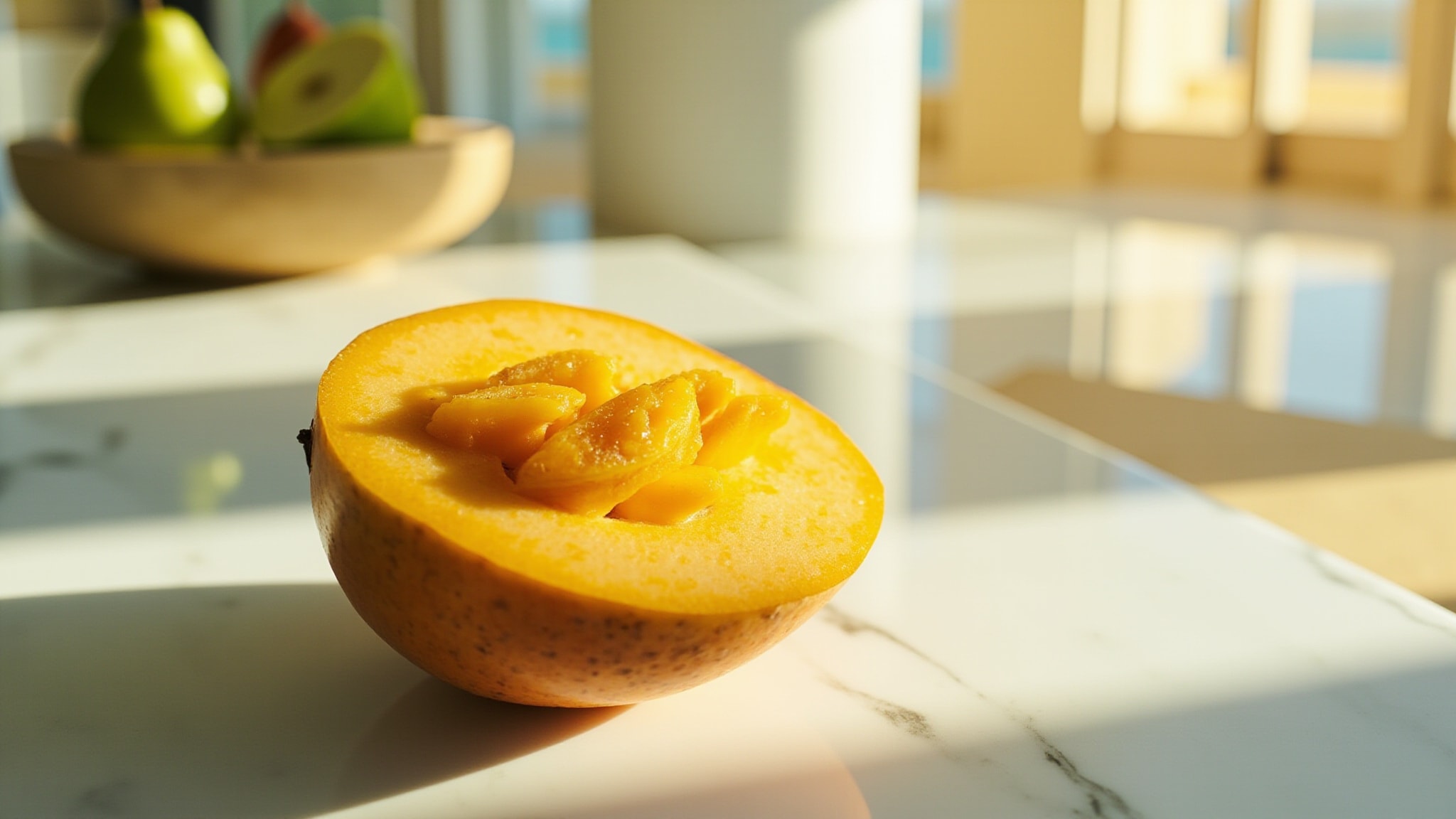
The heart of this fragrance is its most interesting layer. Coconut, peach, and rose together create a creamy tropical warmth that avoids being heavy, peach keeps it soft, rose keeps it from feeling too dessert-like, and coconut grounds them both in something sensual and island-appropriate. The opening trio of mandarin, pear, and blackcurrant does the important work of making first impressions clean and appetizing. Citrus-fresh, yes, but fruit-forward in a way that promises warmth to come. It's a composition that opens bright and settles into something comfortable.
The evolution
The top notes announce themselves immediately, mandarin's clean citrus bright, pear's subtle sweetness, blackcurrant's slight tartness cutting through. Within minutes, the fruity character deepens as coconut and peach emerge from the heart. The rose appears quietly, not dominating but softening the tropical sweetness into something rounder. By the mid-drydown, heliotrope introduces its characteristic powdery floral note, and sandalwood begins its slow, creamy warmth. Musk anchors everything, keeping the final phase skin-close and intimate. The entire arc runs roughly 1-3 hours, with the powdery-woody drydown persisting longest on fabric.
Cultural impact
Jamaica Woman arrived in 2004 as part of a crowded floral-fruity fragrance market, positioned as an accessible sportswear-brand alternative to heritage perfumery. The brand leveraged its athletic identity to attract consumers seeking wearable, casual scents with recognizable branding. Its value-for-money positioning reflects the brand's core appeal: uncomplicated fragrance at accessible price points. Respected by enthusiasts for its straightforward character, it holds a place in the memory of many wearers as a warm-weather companion.
The House
PumaPuma entered the fragrance market in 2002 with its inaugural scents, Puma Woman and Puma Man, expanding a product range rooted in athletic heritage into the world of personal scent. The German sportswear company, established in 1948 by Rudolf Dassler, brought its identity of speed and performance to fine fragrance through mass-market releases distributed across department stores and specialty retailers. Puma fragrances have targeted consumers seeking accessible scents with athletic brand association, releasing limited editions and seasonal variations over two decades. The fragrance line reflects the parent company's broader lifestyle ambitions, translating sport-inspired energy into olfactory form.
The Creator
Annie BuzantianAnnie favors a structural approach, building around a strong heart that anchors the perfume. She often chooses violet, heliotrope, and lilac to add a soft floral edge, then balances them with musk and warm woods for longevity.