The Story
Why it exists.
The beginning
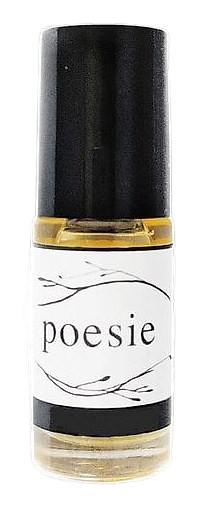
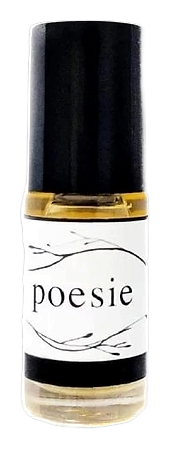
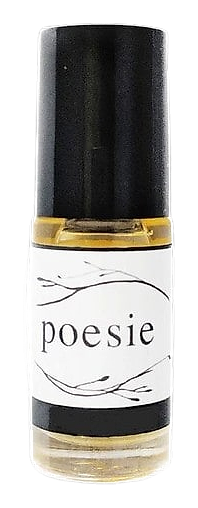
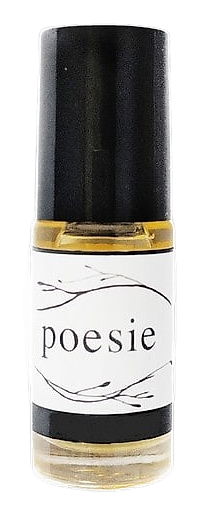
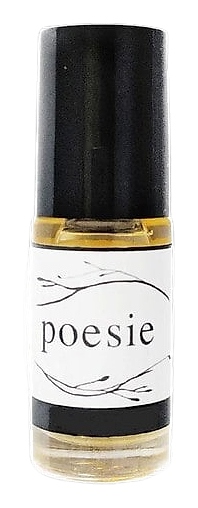
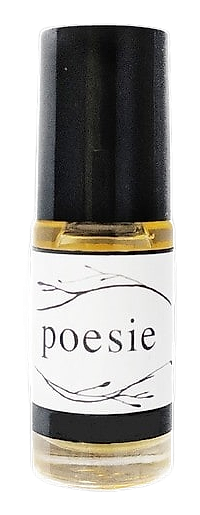
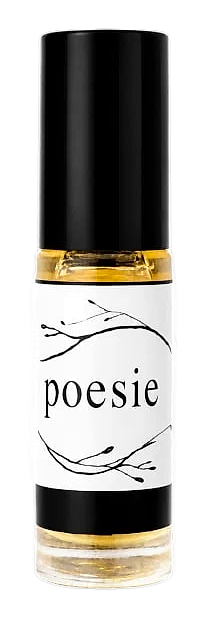
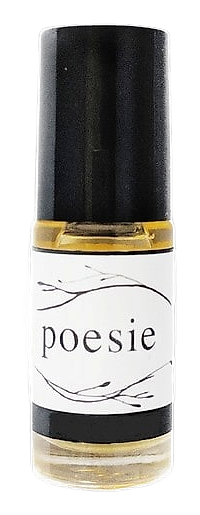
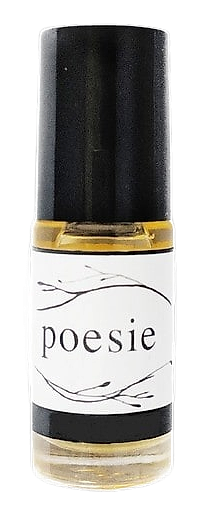
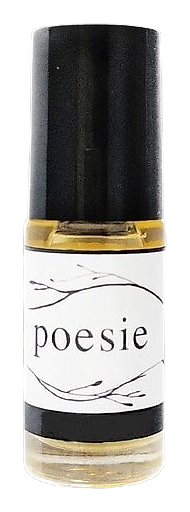
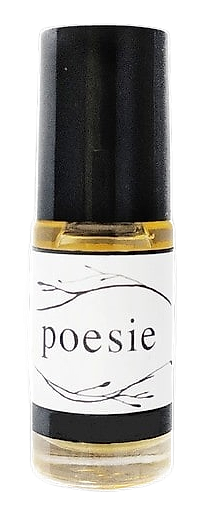
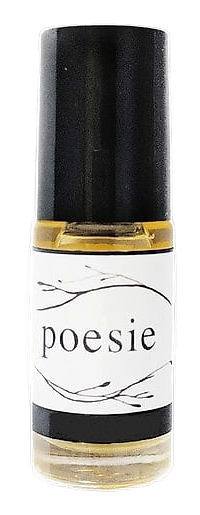
Granada is named for Katherine of Aragon and the city where she spent happier childhood years. Catherine of Aragon was the Spanish princess who became Queen of England, then watched Henry VIII try to erase her from history so he could marry Anne Boleyn. He failed. She never stopped signing her letters "Katherine the Queen." Her personal symbol and the city where she spent happier childhood years together gave this fragrance its name, and carries that emblem: a woman who would not be unmade. The name signals defiance dressed in warmth, not aggression. When Joelle Nealy launched Granada in 2018 as part of the Bonny & Buxom collection, she was working with the Spanish leather tradition of scenting gloves, stationery, and clothing with the essences used in tanning.
Spanish leather tanning was never just about hide. The process used florals like geranium and neroli, warming spices, herbs, and fruit to cure the material and leave it fragrant. That intersection of craft and scent is where Granada lives. It's a leather composition that earns its character from the curing agents rather than the leather note alone, which gives the fragrance an unusual softness. Granada pulls the opposite direction from the more familiar smoky or sharp leather profiles, letting spice and floral round the edges.
The evolution
The opening is all cinnamon and clove, bright and almost festive, the kind of warmth you'd associate with mulled wine or a wood-paneled room in late autumn. Geranium comes in fast behind, adding a green floral lift that keeps the spice from going sweet or heavy. The leather doesn't arrive in the opening the way you'd expect. It builds gradually, settling in once the initial brightness starts to recede. The spices soften and the leather starts to speak, soft and suede-like rather than cracked and smoky. Neroli flickers at the edges, almost citrus, almost bitter, giving the composition a brightness that prevents it from collapsing into pure warmth. As the fragrance wears on, the toasted vanilla and tonka bean take over the base, but the leather doesn't vanish. It stays woven through, close to skin, the way good gloves age.
Cultural impact
Granada draws directly from the historical tradition of Spanish tanned leather scented with florals and spice, an approach rooted in the old practice of infusing curing agents into hide so the finished object would carry fragrance for years. That intersection of craft and perfumery gives the scent its specific gravity: the leather note isn't doing the work alone, it's been set up by geranium, neroli, cinnamon, clove, toasted vanilla, and tonka bean, each one historically part of the tanning process.