The Story
Why it exists.
The beginning
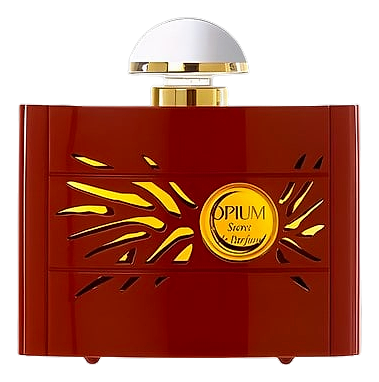
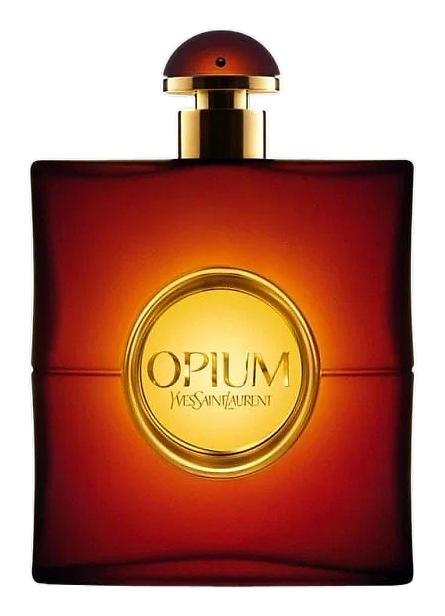
When Antoine Maisondieu was handed the brief for Opium in 2009, he wasn't inventing a new story. He was rewriting an icon. The original 1977 Opium cast a long shadow over the brand's fragrance history, and three decades later, the house wanted a version that still carried that dark, oriental nerve. Maisondieu's job was to keep the soul of Opium alive while speaking in a register the modern wearer would recognize. The mandarin opening alone tells you this isn't your mother's Opium, though the resin heart would feel right at home on her vanity. Citrus gives way to something quieter and more contemplative, a hushed transition that feels less like a marketing pivot and more like a conversation between two eras.
What's quietly clever about this composition is how the materials interact. Bergamot, mandarin, myrrh, jasmine, opoponax, amber. Myrrh and opoponax are both resins, but they play different hands. Myrrh is dry, almost stony, a resin that carries a clean, mineral hush. Opoponax is sweet, sticky, the resin that smells like incense in a warmer room. Stacking them creates a layered effect, each material catching light differently against the other. The jasmine sits between them, not as a white-flower sparkle but as a dimming agent, pulling the citrus down into something more private.
The evolution
The opening moments belong to the citrus. Bergamot and mandarin arrive sharpened, almost sparkling, with the kind of brightness that makes you think this might be lighter than it is. Don't be fooled. Soon after, the myrrh surfaces. It doesn't sneak in so much as lower the room's lighting. The citrus retreats to the edges, and what rises is that dry, incense-clean resin, threading through jasmine that has gone quietly floral rather than sweet. This is the phase that separates Opium from its brighter oriental cousins. Eventually, the base takes command. Opoponax and amber settle into a dense, sweet-warm resinous haze that clings to skin and fabric with unusual persistence. On a sweater the next morning, it reads as a soft, golden warmth, all evidence of something quieter, gone still but unmistakably present. That's the drydown that earns its reputation.
Cultural impact
Reception among wearers of the original has been split into two camps. Devotees of the 1977 formula find this 2009 version leaner, drier, less sweet. Newcomers to the Opium name often encounter the 2009 iteration first, and many find it more approachable than the baroque density of the vintage. The 2009 version pulls back from heavy sweetness in favor of incense and warmth, giving it a more contemporary feel that resonates with wearers who might find the vintage overwhelming. The fragrance holds its own within the oriental family, less confection than ceremony, more meditation than indulgence.