The Story
Why it exists.
The beginning
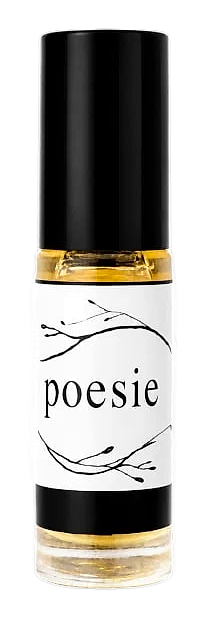
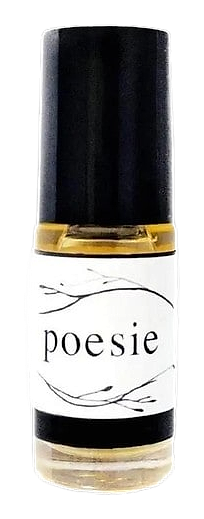
Amaterasu is named for the Shinto goddess of the sun and the universe, a figure who carries celestial warmth and quiet authority. The fragrance translates that energy into something grounded and intimate: the warmth of a late-summer afternoon bleeding into early autumn, when fields are drying and the light goes amber. Launched in 2022 and composed by Joelle Nealy, the founder of Poesie who doubles as the house's perfumer, it sits within a collection that treats scent as a portable story, each chapter a small world you can carry on your skin. The opening carries a green-edged cardamom, almost citrus-peel bright before the citrus ever shows itself, layered over a sandalwood that reads as golden and unhurried.
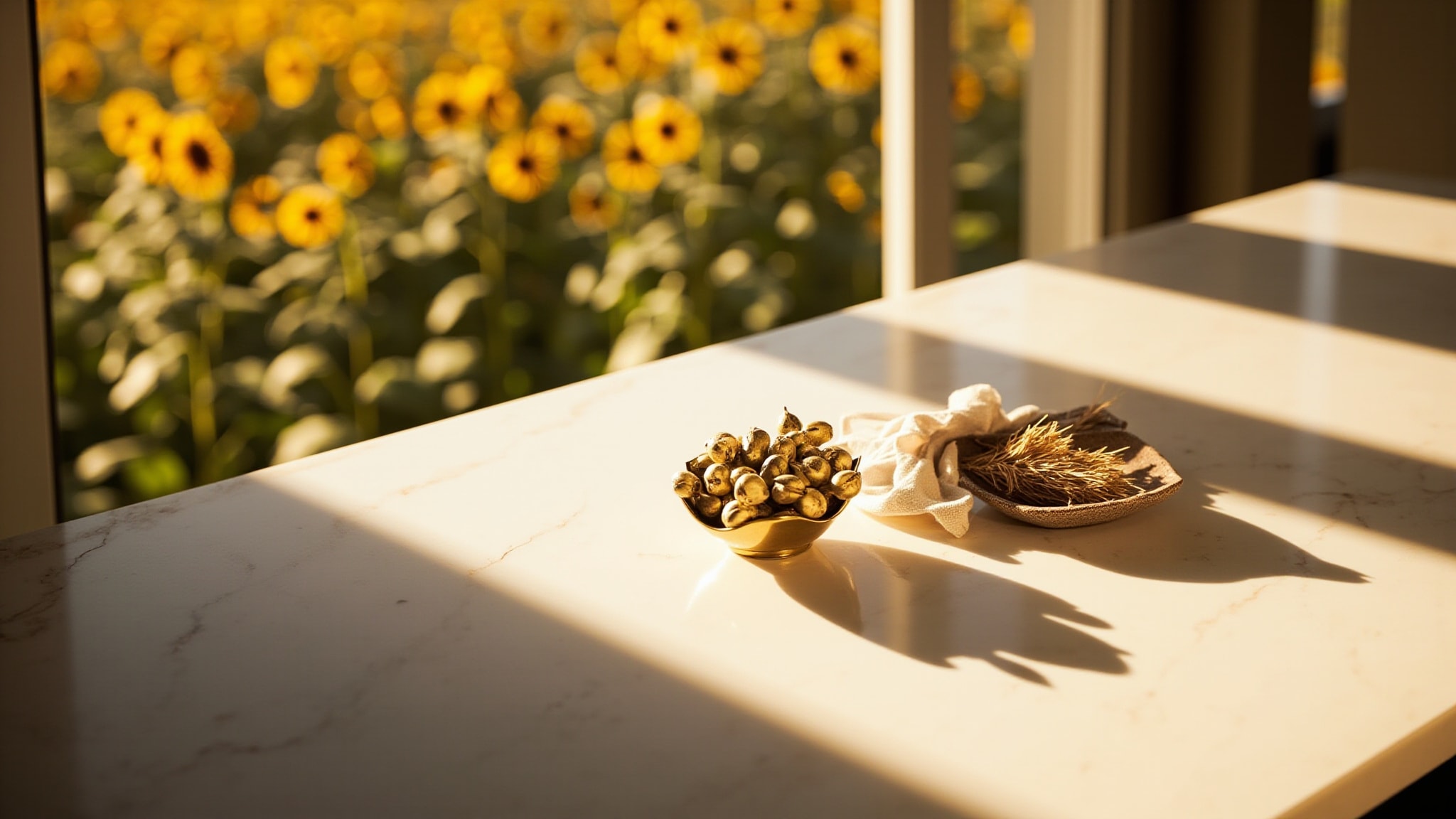
What's unusual here is the way gourmand and incense language get folded into a single sentence. Rice milk and wheat are kitchen notes, domestic and soft. Sandalwood incense and cardamom belong to temple smoke, something ancient and ritual. Most fragrances commit to one register. Amaterasu refuses to choose, and that's the trick. The sunflower and amber at the base ground both sides in something pastoral, like walking past a field at the exact moment the light turns. The result reads as neither food nor ceremony, but something in between: nourishment with a spiritual undertone, or devotion that smells like breakfast.
The evolution
The first fifteen minutes are all cardamom, bright and almost green, with a bitter edge that reads like citrus peel before the citrus arrives. Then the sandalwood arrives, golden and creamy, and the rice milk softens everything into something that smells less like perfume and more like warm cereal left out in the sun. There's a fleeting moment where the wheat note takes over, dry and grassy, like a hayfield at the end of August. That phase is the most unexpected, almost savory, and it's what keeps Amaterasu from collapsing into simple sweetness. The amber and sunflower hold the last stretch, warm and slightly sweet, close to the skin. As the hours pass, the rice milk recedes and the sandalwood grows more pronounced, taking on a faintly milky character that hovers just above body temperature.
Cultural impact
Amaterasu draws on a Shinto reference, treating it as texture rather than symbol, and the result feels specific without ever tipping into costume. The goddess is present in the composition's solar warmth, but the fragrance speaks in the language of skin and season rather than mythology. The cardamom opens with a brightness that suggests morning light, while the rice milk and sandalwood build toward something golden and unhurried, like late-summer fields drying under a long afternoon. The wheat, amber, and sunflower base keeps the whole thing grounded, lending a faintly toasted sweetness that reads as harvest rather than incense.