
The Story
Why it exists.
The beginning
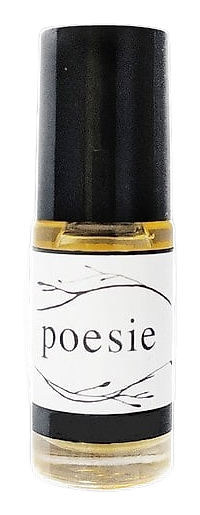
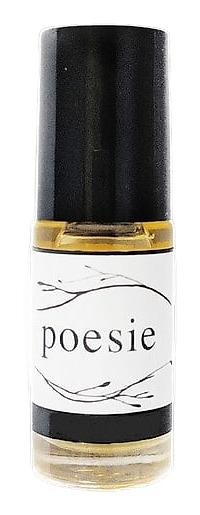
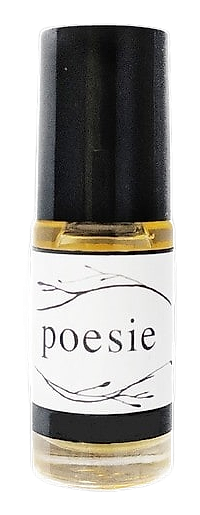
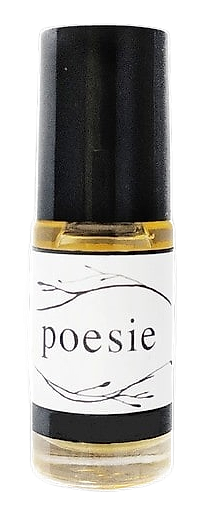
Villa Diodati sits on the edge of Lake Geneva, ringed by mountains so dramatic they look painted. In 1816, the year volcanic ash blotted out the sun across Europe, a group of writers found themselves trapped indoors on a summer holiday that refused to arrive. Among them: Mary Shelley, eighteen years old, on the verge of imagining something that would outlast every storm that ever cancelled a season. Joelle Nealy built Villa Diodati around that tension, the gray light on the water, the cold damp of a house full of people who had nowhere else to go, the particular darkness that comes when the world won't give you the summer you expected. It is not a gothic fragrance. It is more specific than that. It is a specific night, a specific lake, a specific group of people who had to make their own light.
Four notes. That is the entire architecture: rosemary, water, balsam fir, vanilla. No florals, no citrus, no spice accord to soften the edges. What makes this composition unusual is not the ingredients, all are common in fougère structures, but the ratios. The rosemary arrives first and means it. Pungent, wild, the kind of green that stings slightly when you breathe it in. The water note does not behave like water in most fragrances. Instead of marine or ozonic, instead of ocean or rain, it reads cold and mineral, like wet stone at the shoreline, like the specific smell of a lake that hasn't warmed up all summer.
The evolution
The opening is all rosemary and cold air. Sharp, bracing, the kind of green that makes you breathe through your mouth. The balsam fir follows within minutes, resinous, dark, almost tar-like in its dryness. The water note is already there underneath, a cold mineral undertone that keeps the whole thing from reading as forest. This is where most people either fall in or check out. The rosemary fades around the thirty-minute mark. What replaces it is the vanilla, not warm, not sweet, but dark and dry, almost leathery, like old paper or the inside of a pod. The water note doesn't disappear. It persists as a cold undertone, keeping the vanilla honest. By hour two, the composition has settled into something close and quiet. Moderate sillage, it stays within arm's reach rather than filling the room. The drydown lasts another four to six hours: dark vanilla, cool mineral, the ghost of pine. On fabric, it lingers into the next day. The cold water note fades last. It becomes a memory of something damp rather than the thing itself.
Cultural impact
Villa Diodati occupies a specific niche within the atmospheric fragrance category, the literary Gothic, if such a thing exists. It is not trying to smell like leather and smoke or pipe tobacco and old books. It is trying to smell like a specific place in a specific season when the weather refused to cooperate and the people stuck there had to make their own entertainment. Wearers tend to describe it as the fragrance for someone who reads more than they talk, who has strong opinions about Mary Shelley, who owns more sweaters than sunscreen. It has a small but devoted following among people who find most atmospheric fragrances either too literal (wet pine, fresh cut grass) or too sweetened (vanilla that remembers it used to be a candle).