The Story
Why it exists.
The beginning
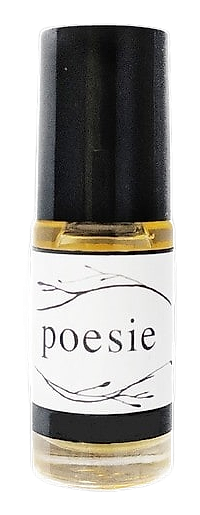
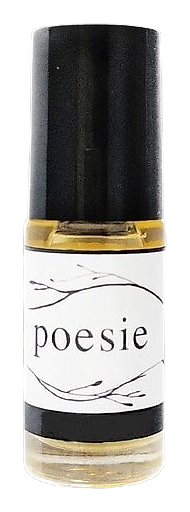
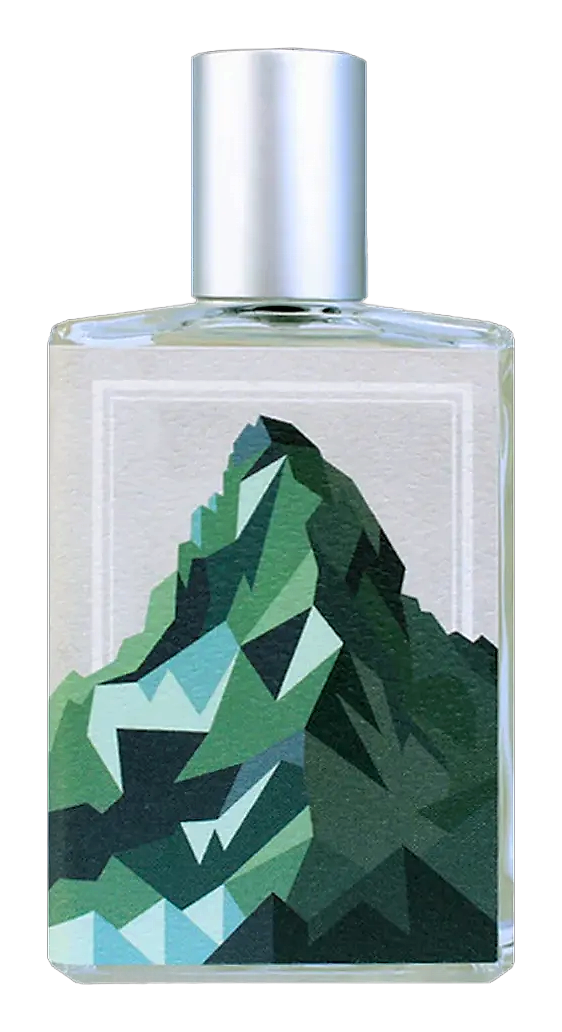
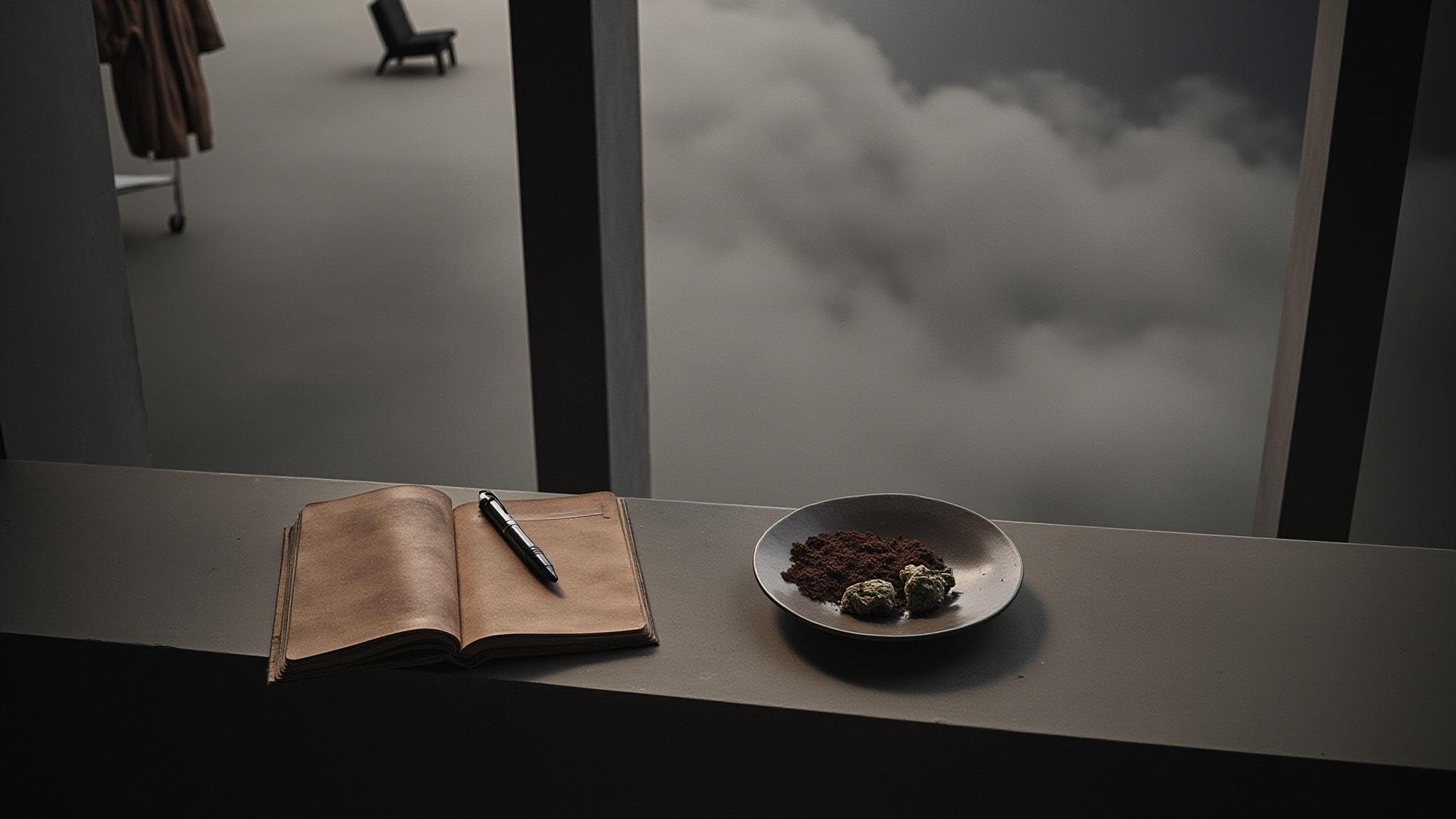
The Year Without Summer refers to 1816, when volcanic ash from an Indonesian eruption blocked out the sun across Europe. Mary Shelley, Lord Byron, Polidori, and Claire Clairmont found themselves stranded at Lake Geneva that cold, wet summer, trapped indoors, unable to travel. The ghost story competition that resulted gave us Frankenstein. Year Without Summer is named for that specific atmospheric pressure: the world's outside gone wrong, the only option to turn inward and make something. The perfume doesn't recreate the rainy Swiss weather, it recreates the warmth generated by people crowded together, bodies and blankets and the strange heat of enforced imagination. Coffee grounds. Opium. Black amber. Hemp. The notes are also the story.
The cannabis in Year Without Summer isn't decorative. It's the element that keeps the darkness honest. Opium and black amber together risk becoming too sweet, too syrupy, a sensory couch that traps rather than transports. The cannabis interrupts that. Green, herbal, slightly meditative, cannabis pulls the composition toward earth instead of air. It makes the sweetness mean something. Without it, this is a dark fragrance. With it, this is a strange one.
The evolution
The opening announces coffee immediately, not brewed, not roasted in that pleasant way. Dark grounds. Something bitter that sits at the back of the throat more than it fills the room. Then the cannabis arrives, a green herbal presence that cuts through before the sweetness can set in. The black amber takes its time, arriving warm and almost tactile, wool on skin, a room heated by too many bodies. Opium deepens into the drydown, resinous and close. The sillage is moderate. Not announced, but not invisible either. In the drydown, cannabis takes over. It outlasts everything, the coffee fades, the opium settles, but the cannabis persists, dry and green and very much there. On fabric it can last for days. On skin it fades to a quiet whisper by evening. Close enough to notice. Not quite close enough to name.
Cultural impact
The Mary Shelley's Nightmare collection takes its name from the 1816 volcanic summer that trapped Shelley and her circle indoors, forcing them to create. Year Without Summer captures that specific tension: world outside gone wrong, human warmth generated in response. Wearers describe it less as smelling a perfume and more as inhabiting an atmosphere. Literary fragrance done as performance of ideas, not decoration.