The Story
Why it exists.
The beginning
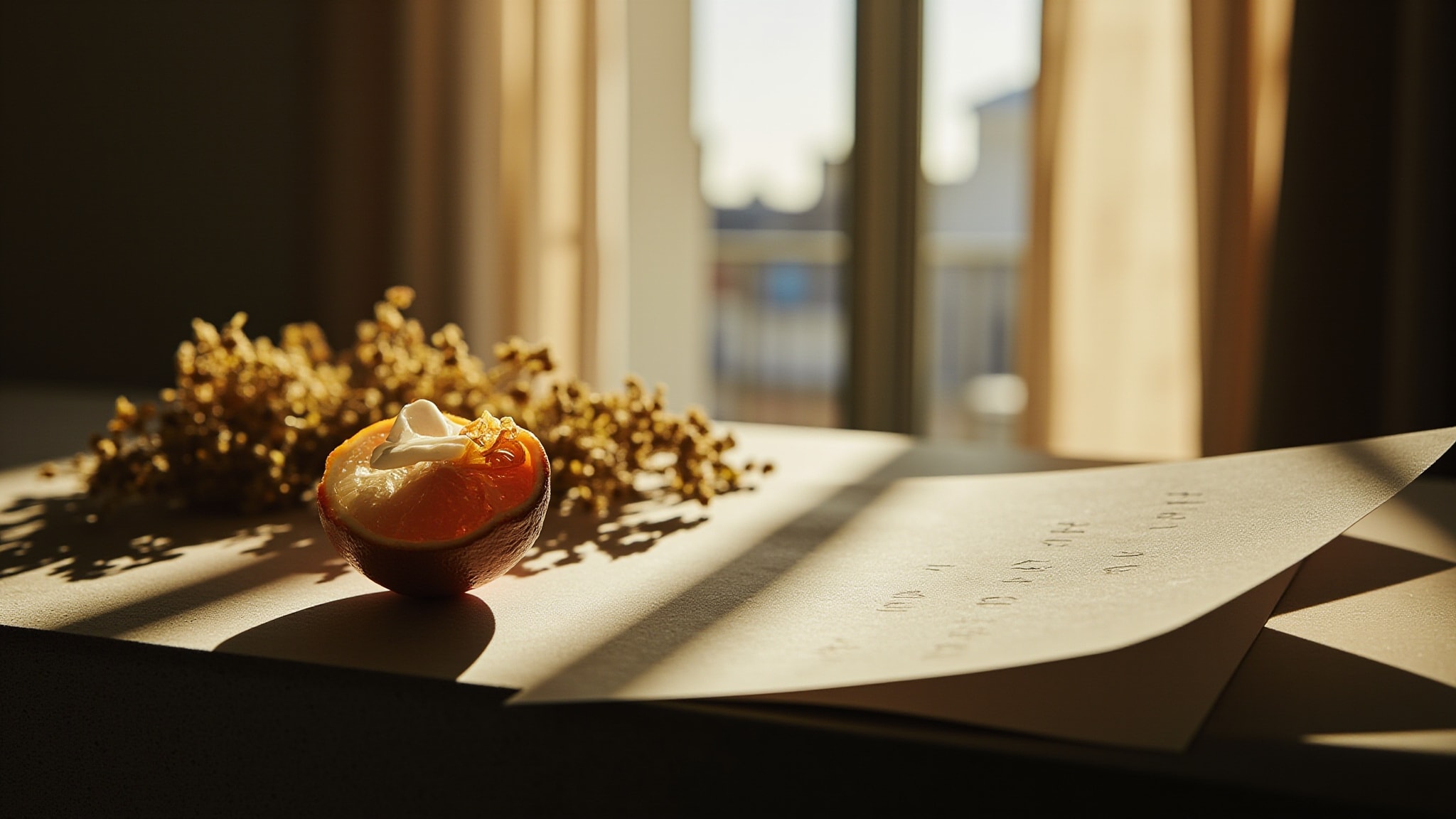
Patrice Revillard composed Été Immortel for Poécile Parfums in 2026, and the name does most of the talking. "Immortelle" refers both to the flower and to the idea of a summer that refuses to end, the kind of late-season heat that lingers into September when the calendar has already moved on. Revillard made immortelle the central ingredient, the flower's distinctive warmth serving as the gravitational center of the whole composition. Bergamot and clementine open the window, bright and sharp, a sliver of citrus peel catching the light. Then the herbs take over, chamomile, thyme, and mint weaving through the floral heart with a cool, almost medicinal clarity.
What makes this composition worth a second look is the decision to build around immortelle rather than use it as accent. The flower carries a natural maple warmth that reads as both food and pharmacy, a duality that gives the fragrance its unusual character. Revillard surrounds it with chamomile, thyme, and mint for herbal counterweight, then grounds the whole thing in labdanum and mineral notes. The chamomile brings a brewed, calming softness, the thyme adds a savory kitchen-garden quality, and the mint keeps the herbal facets from becoming too heavy or overly sweet.
The evolution
The first ten minutes belong to clementine, but not the friendly kind. It's the bitter rind, the pith spray, sharpened by bergamot underneath. Then chamomile arrives like a cooled mug of tea pressed against your forehead, and the mint gives it a clinical edge that prevents the opening from feeling like a fruit basket. As the opening settles, immortelle takes over, and this is the moment the fragrance stops being pleasant and becomes interesting. The maple-tobacco-spice facets of the flower bloom alongside thyme, which adds a savory, almost culinary depth, pulling the composition toward something that smells less like a perfume and more like a warm kitchen in late afternoon. The herbal notes don't sit politely beside the immortelle; they lean into it, sharpening its savory side while the chamomile softens the edges.
Cultural impact
Wears like a postcard from somewhere the calendar can't reach. Été Immortel stakes its claim on the immortelle flower itself, a material with distinctive maple facets that give the composition its unusual warmth. The mineral-laced base gives it a stony realism that the typical "summer scent" rarely achieves. The fragrance feels rooted in something specific, a place, a season, a late-September heat, rather than built to please everyone. It reads as deliberate, confident, and uninterested in safe territory.