The Story
Why it exists.
The beginning
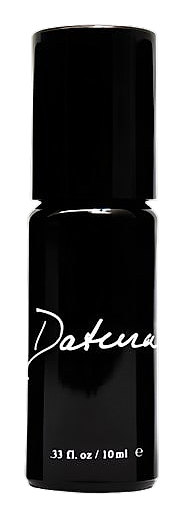
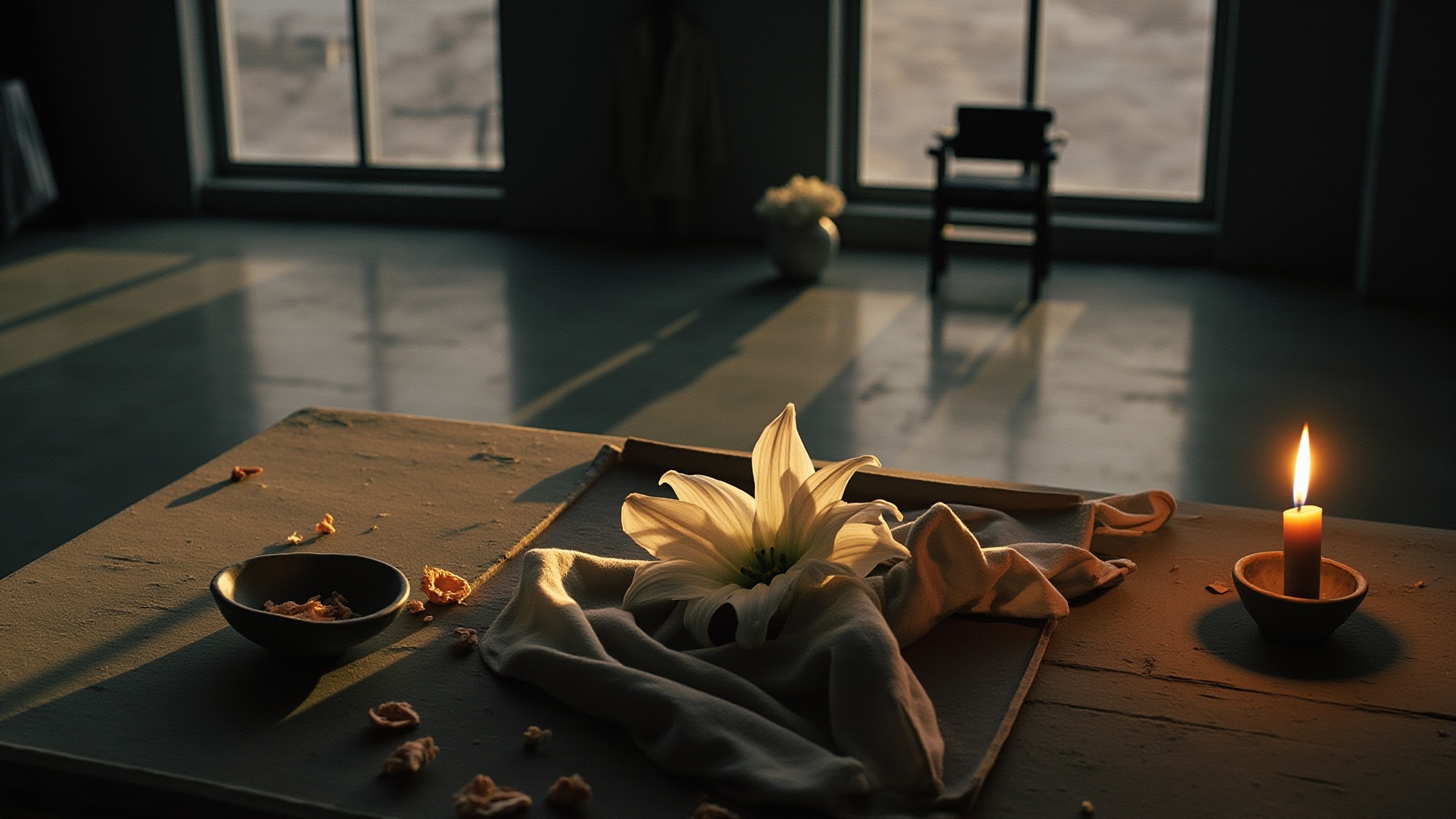
The name says it. Datura, the night-blooming flower with a reputation. Persephenie Lea built this composition around that dual nature: something that blooms when the sun goes down and carries a quiet charge with it. She pulled datura, jasmine, and rose into a single heart, layering them over a base of caramel and musk that suggests warmth without ever announcing it. Datura reads as a study in white florals that refuse to behave. The fragrance takes its name from the bloom itself, and every note in the composition reinforces that sense of a flower opening in the dark: cool and soft at first, then fuller, then almost too much.
What makes this one worth attention is the way the heart note list refuses to pick a favorite. Datura, jasmine, rose, and lily, all present, none of them willing to step back. Here they sit closer to equal weight, which gives the scent a density that reaches beyond the usual floral offering. The datura itself is the unusual choice, lending the composition an edge that keeps the prettiness from tipping into the predictable. Jasmine contributes its familiar clarity, rose absolute brings a deep, almost jammy sweetness, and lily adds a cool, waxy softness that rounds the whole heart out.
The evolution
The opening is barely there. Mild spices that read more like a suggestion than a statement, almost a warm exhalation. Give it a few minutes and the florals start to gather. Jasmine arrives first, clean and almost green, then the datura begins to hum underneath it, that slightly intoxicating quality that earned the flower its reputation. Rose absolute softens the edges. Lily adds a cool creaminess. Eventually you're sitting inside the heart and it's dense, almost heady, the way a garden smells when the air is thick with it. Then the caramel surfaces. It's not sugary, more like cooked sugar reaching its darker stage, and it starts to warm the whole composition from below. Musk takes over the close work, skin-like and quiet. Sandalwood grounds the final hours, dry and faintly creamy, lending the base a soft woodiness that lingers.
Cultural impact
Datura occupies an interesting place within the broader category of botanical white florals. Its distinguishing element is the datura note itself, which brings a sweetness with a slight edge that most jasmine-and-rose compositions don't reach. For wearers drawn to florals with actual density, Datura offers something that reads like a composition rather than a single note. The way the heart notes share space, with no single bloom dominating, gives the fragrance a layered quality that rewards repeat wearing. The caramel base and the sandalwood close add a warmth that anchors the florals, keeping the whole thing grounded rather than airy.