The Story
Why it exists.
The beginning
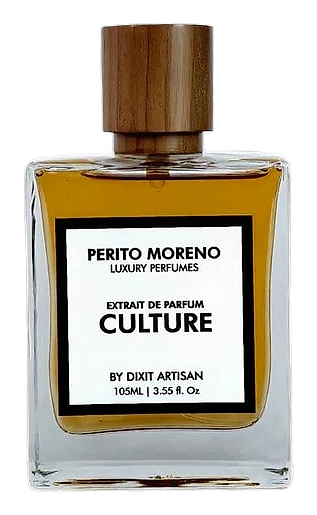
Kerala moves in layers, the color, the music, the way a Kathakali dancer holds stillness before the story begins. Nitish Dixit grew up watching these rhythms and later, as a perfumer, found himself returning to that question of what makes a place legible through scent rather than sight. Culture is his answer: a fragrance built from the materials that define South Indian fragrance culture, jasmine sambac, champaca, pink lotus, without ever tipping into costume. The brief was simple: translate the feeling of witnessing something ancient and alive, not the spectacle itself. Dixit worked through iterations in his Pune studio across 2024, adjusting ratios until the composition felt like the moment after a performance ends, when the weight of tradition settles into something personal.
What makes the jasmine sambac in Culture interesting is not its sweetness but its texture. Sambac is waxy, dense, almost chewy compared to the transparency of grandiflorum. When combined here with jasminum auriculatum, a jasmine variety native to India that carries a faint green tear, the result reads as creamy without being milky. Champaca, or champaka, adds a dimension that rarely appears in Western fragrance composition: a slightly resinous, almost camphorated floral note that bridges the sweetness of the heart and the earthiness of the base. Pink lotus absolute is the outlier in the drydown. It doesn't smell like the water lotus in a spa product.
The evolution
The opening hits dewy. Rose leaf delivers exactly what it promises, the smell of green stems after rain, a few seconds of pure freshness that most fragrances spend paragraphs describing. Then jasmine sambac takes over, and the scent pivots from garden to something warmer, slightly animalic, the kind of bloom that announces itself without apology. This phase lasts the first hour. The heart belongs to tuberose and champaca. The tuberose is creamy in the way tuberose always is, lush, almost lactonic, but the champaca keeps it from becoming simply sweet. There's a spiced tropical note underneath that reads as resin rather than sugar. Around the second hour, sandalwood begins to surface, smoothing everything that came before. The florals don't disappear, they dissolve into the wood. By the third hour, the drydown settles into tobacco leaf, cedarwood, amber, and musk, with pink lotus absolute lending a lingering powdery warmth that stays close to skin for another three to five hours depending on your chemistry.
Cultural impact
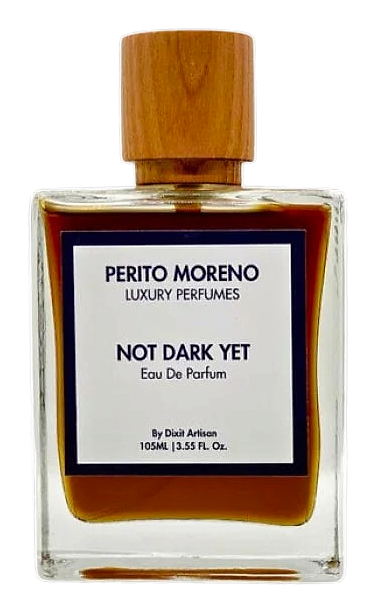
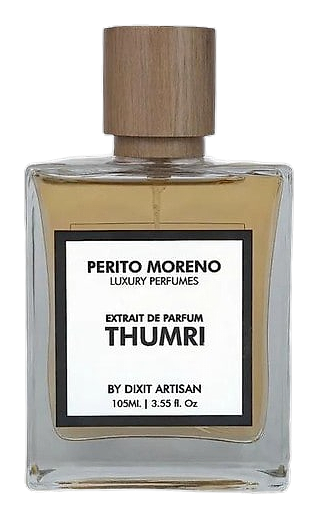
Culture arrives at a moment when independent Indian perfumery is gaining serious attention outside the subcontinent. Houses like Perito Moreno are part of a generation that grew up with Indian attar traditions and trained in contemporary Western composition, and who are building something that belongs to neither category entirely. The fragrance world has seen Indian florals appear in Western designer releases for years, but rarely as the primary structural element rather than an exotic accent. Culture puts jasmine sambac, champaca, and pink lotus at the center of the composition rather than the periphery. This matters.