The Story
Why it exists.
The beginning
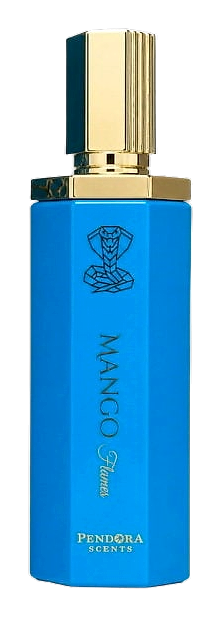
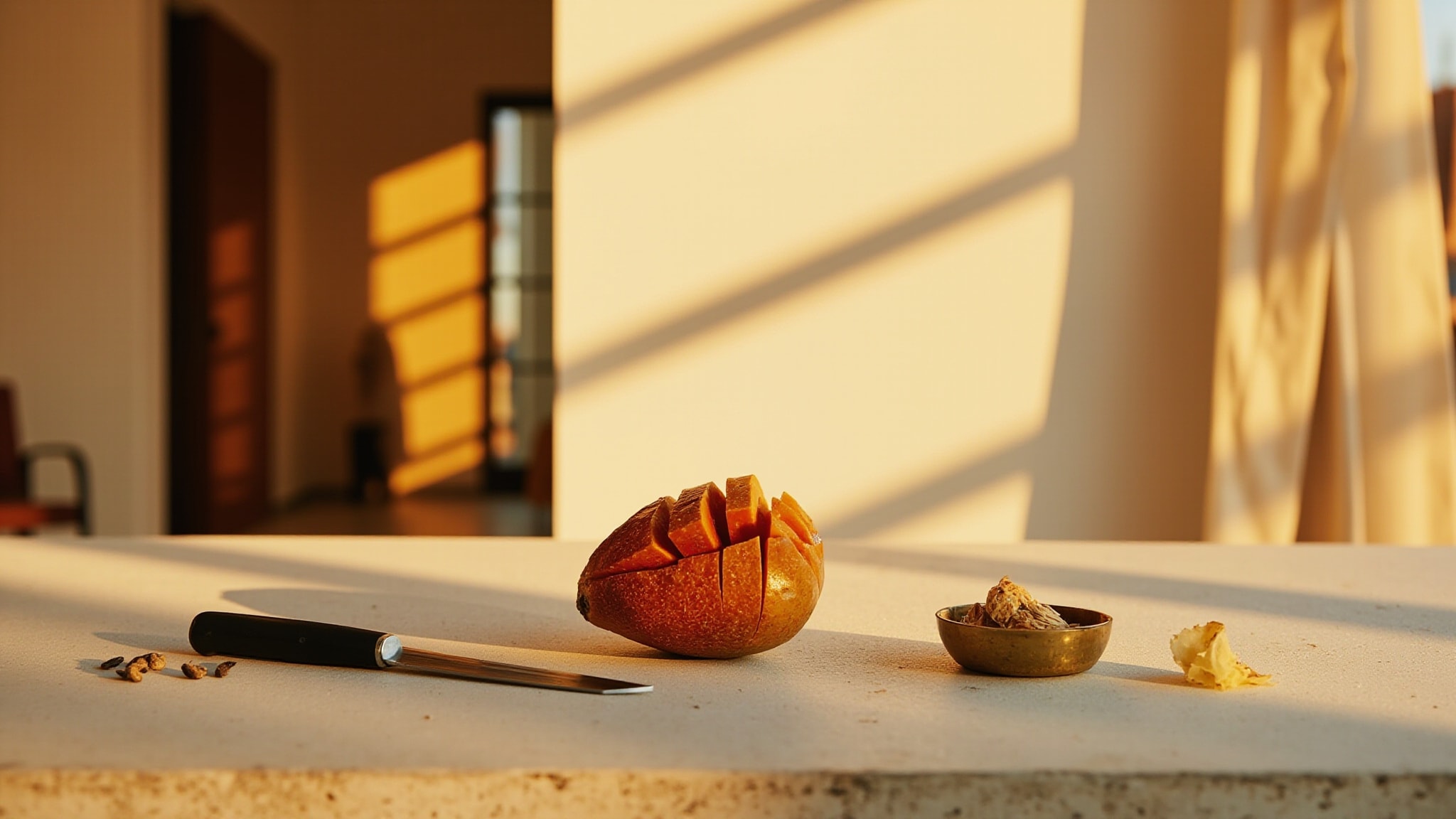
Mango Flames arrived in 2026 from Pendora Scents, a house that treats fragrance as a craft worth taking seriously. The composition takes one of the most familiar, almost throwaway fruits and elevates it into something more considered, building a woody-spicy architecture around the sweetness so the tropical never tips into the obvious. It's the kind of fragrance that asks you to reconsider a fruit you've smelled a hundred times before, then rewards that reconsideration with a structure that feels deliberate, composed, and quietly surprising. Mango Flames takes the casual and gives it weight, without ever losing a sense of ease on the skin.
What makes Mango Flames worth a second look is the tension at the core: juicy, almost confectionary fruit set against dry cedarwood and amber, with cardamom and ginger pulling the middle into sharp, aromatic focus. This one lets the fruit do its bright work in the first minutes, then hands the composition off to spice and resin before the woods take over. The jasmine in the heart is restrained enough to add a clean floral whisper rather than a bouquet, which keeps the whole thing from feeling like a beach scent in a formal jacket.
The evolution
On skin, Mango Flames opens with a quick burst of citrus and ripe mango, bright and almost fizzy, the grapefruit adding a dry edge that keeps the sweetness honest. Within 15 minutes the fruit starts to recede and the spice moves in: cardamom first, warm and slightly green, followed by ginger that brings a clean, almost peppery lift. The jasmine threads quietly underneath, more texture than statement. After about two hours the drydown begins to take shape, amber and cedarwood settling into something resinous and warm, with the mango still faintly present, now reading more like sun-warmed wood than fruit. As the hours pass, the woods grow drier and the resin takes on a faintly smoky undertone, the kind of warmth that feels lived-in rather than heavy.
Cultural impact
Mango Flames sits in an interesting lane. It borrows the fruit's warmth but builds a woody-spicy frame around it, which makes it read as something more versatile than a typical tropical scent. The combination of bright fruit, aromatic spice, and dry wood gives it range across occasions and temperatures, feeling equally at home in warmer months and cooler ones. There's a sense here of taking something recognizable and reshaping it, giving the fruit depth without burying it under sweetness.