The Story
Why it exists.
The beginning
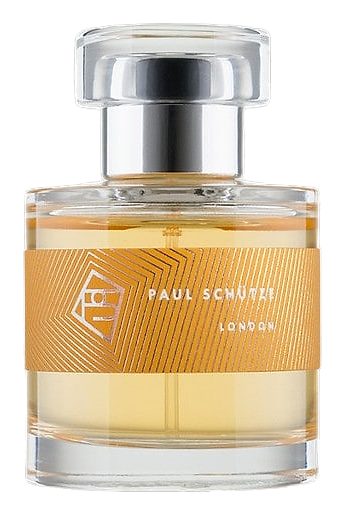
Cirebon is inspired by the first time Paul heard Javanese court gamelan music at night by a lake. That detail matters because Schütze's work as a visual artist and composer shapes how he thinks about scent, and the name here functions less as geography and more as a kind of remembered atmosphere. The gamelan reference carries specific sonic associations: metallophones shimmering, gongs pulsing, layered resonance over still water. Translating that into fragrance suggests something where brightness, repetition, and gravity coexist, where light keeps striking against something heavy beneath it. The citrus opens bright, the woods ground it, and between them the florals hold a middle temperature that doesn't wilt.
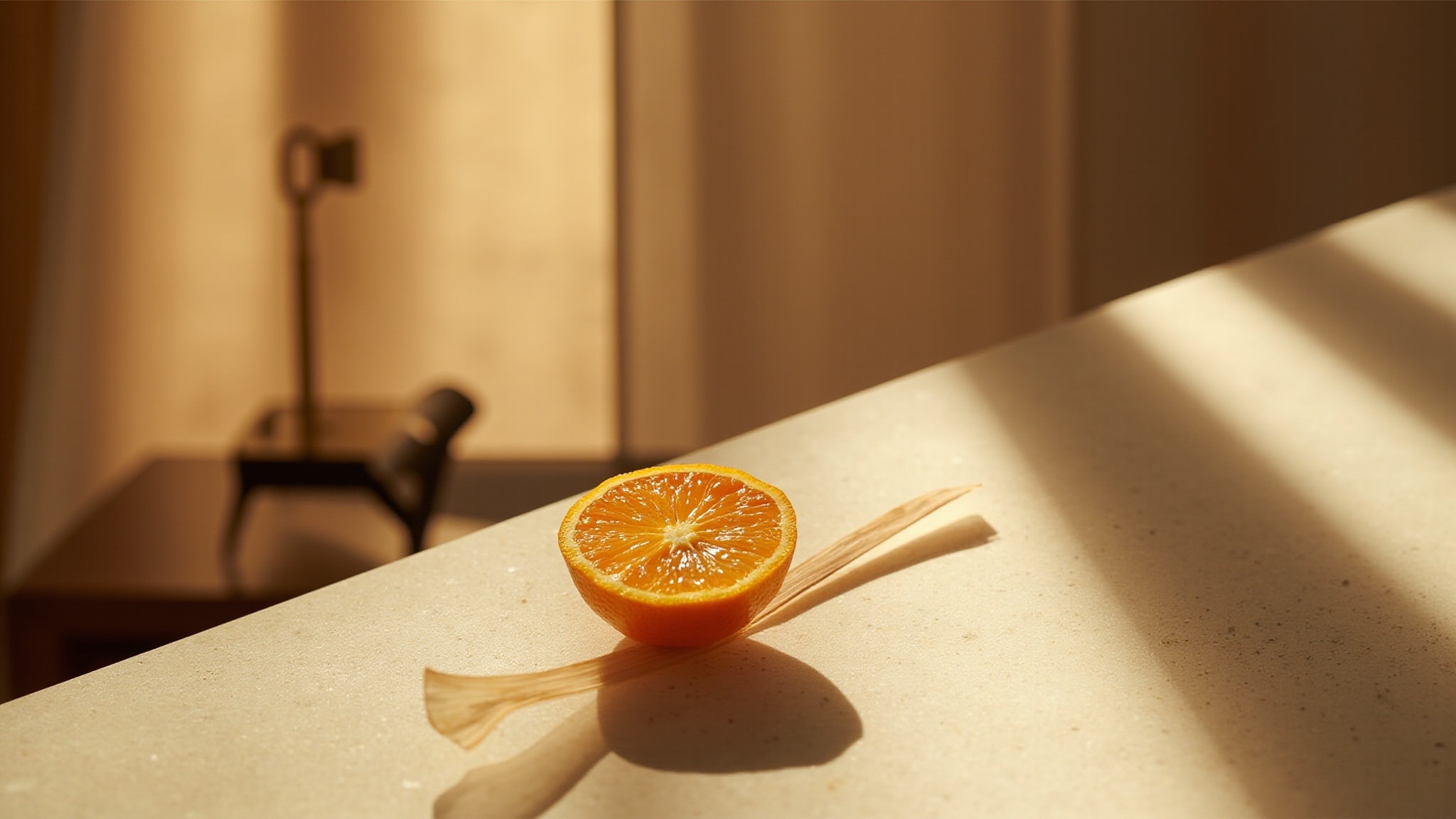
What makes Cirebon structurally interesting is how the citrus doesn't behave like citrus. The bitter orange, bergamot, and petitgrain don't sparkle on top and disappear. They're woven through the entire composition, surfacing again as the orange blossom in the heart. The cyclamen and magnolia do unusual work here, acting as cool counterweights rather than sweet additions. They keep the orange blossom from going heavy or syrupy, adding a watery transparency that lets light pass through the floral phase.
The evolution
The opening minutes are sharp and almost edible: bitter orange zest, bergamot, a clean petitgrain bitterness that reads green more than sweet. Then the white florals arrive, not as a separate phase but as a deepening. Tunisian orange blossom arrives with something narcotic about it, a heat that lifts off skin. Magnolia cools the edges. Cyclamen adds a watery petal quality that keeps it from turning heavy. As the composition settles, the cedar begins to assert itself, dry and clean rather than pencil-shaving, more architectural than what you'd expect from a wood note. The sandalwood and vetiver arrive together in the later stages of wear, and they stay, settling into something that feels closer to warm stone than perfume in the conventional sense. What's striking is that the citrus never fully leaves.
Cultural impact
Cirebon has earned attention for what it does with citrus. Wearers respond to its discipline, a composition that stays clean without ever feeling clinical or stripped. It reads as confident in its structure, willing to let the woods and florals do quiet work in the background rather than competing for the foreground. Within the wider landscape of niche fragrance, it stands out for treating brightness as something architectural, something with weight and persistence, rather than as a fleeting top note designed to evaporate. The result is a composition that feels considered throughout, from the first spray to the final hours of wear.