The Story
Why it exists.
The beginning
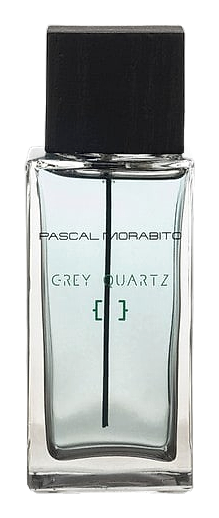
Pierre-Constantin Guéros designed Grey Quartz as an exercise in contrast. The name came first, grey quartz, a semi-precious stone with an angular surface that catches light differently depending on the angle. Bergamot and lavender would anchor the opening, delivering that sharp, almost cold clarity that evokes the mineral world. Then the heart would do something unexpected, violet leaf and carnation, green and spicy, warming the composition without softening it. The contrast between the bright citrus top and the deeper floral heart creates a dialogue between cool and warm. The base would ground everything in leather, vetiver, and patchouli, adding texture and earthiness that supports the entire structure.
The violet leaf and carnation pairing is where the composition earns its keep. Violet leaf brings a green, slightly metallic quality, the smell of crushed stems, not flowers. Carnation adds warmth and spice, a dry floral note that doesn't sweeten. Together they create a heart that's herbaceous and unexpected, neither fully green nor fully floral. Nutmeg bridges the gap, adding a subtle nuttiness that pulls the heart toward the woody base.
The evolution
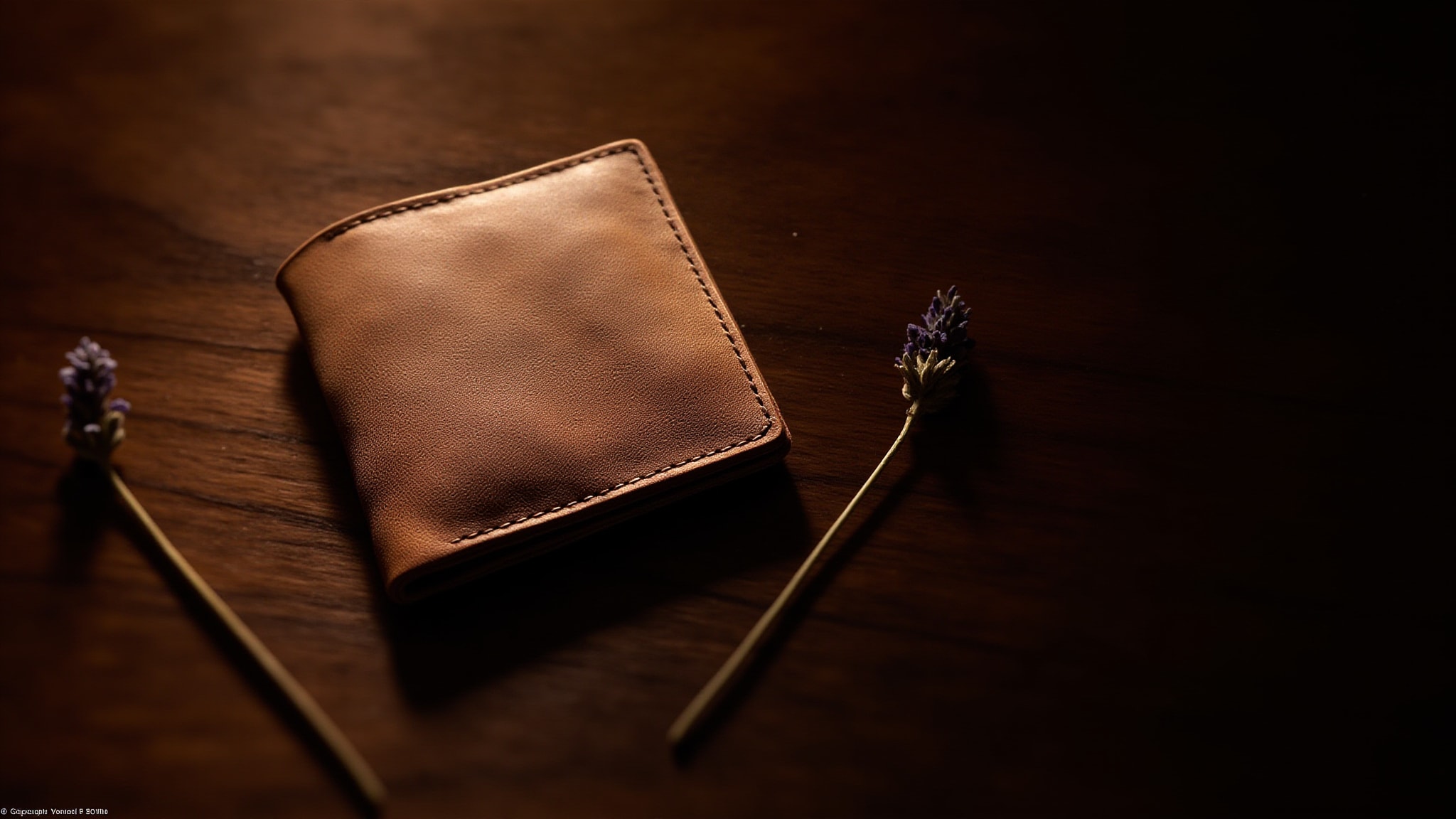
The opening hits like the stone itself, bergamot bright, lavender clean, tangerine adding a quick citrus flash before all three settle into an aromatic, almost ozonic coolness. That's the grey quartz arriving. As the top notes recede, the violet leaf emerges, cutting through the initial brightness with something greener, more vegetal. Carnation follows, adding warmth and a hint of spice. The hand-off is smooth, the citrus doesn't disappear, it recedes, becoming a cool undercurrent beneath the warming heart. By the time the base arrives, leather surfaces quietly, textured, close, the smell of something worn rather than new. Vetiver and patchouli settle beneath, adding earth and wood. The drydown lingers on skin and fabric, leaving a subtle imprint that you notice again hours later.
Cultural impact
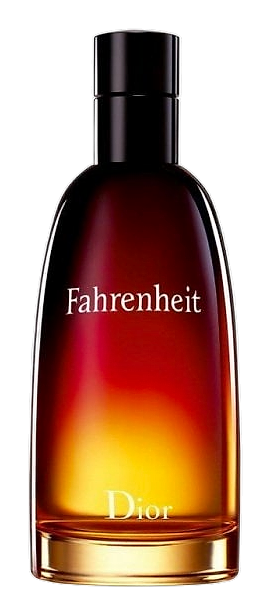
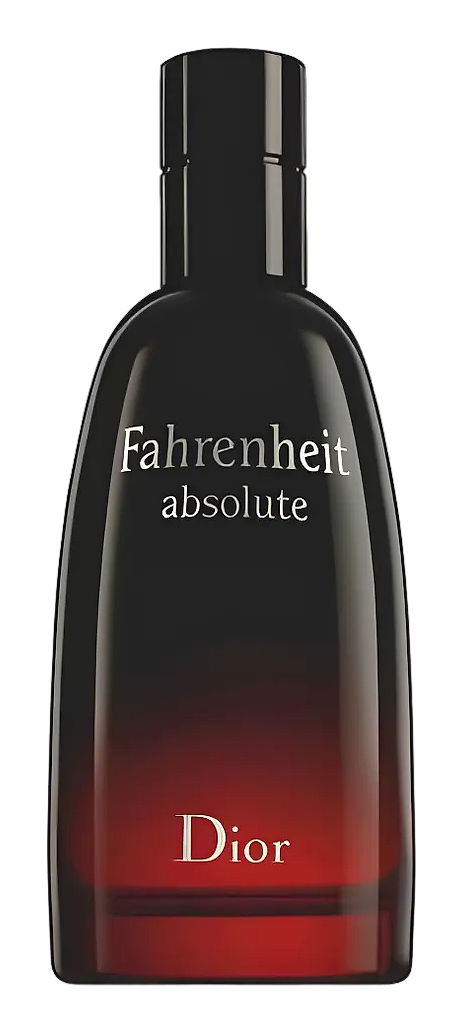
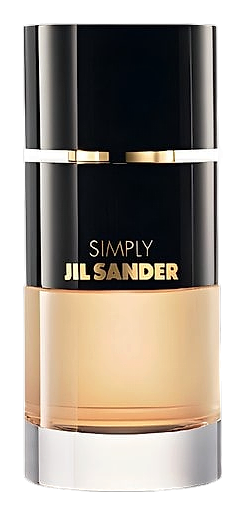
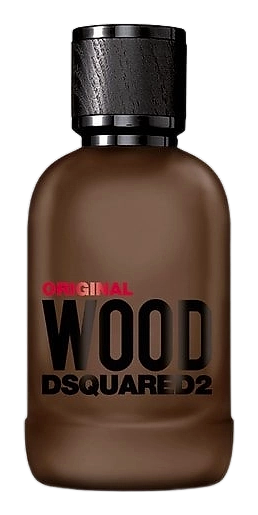
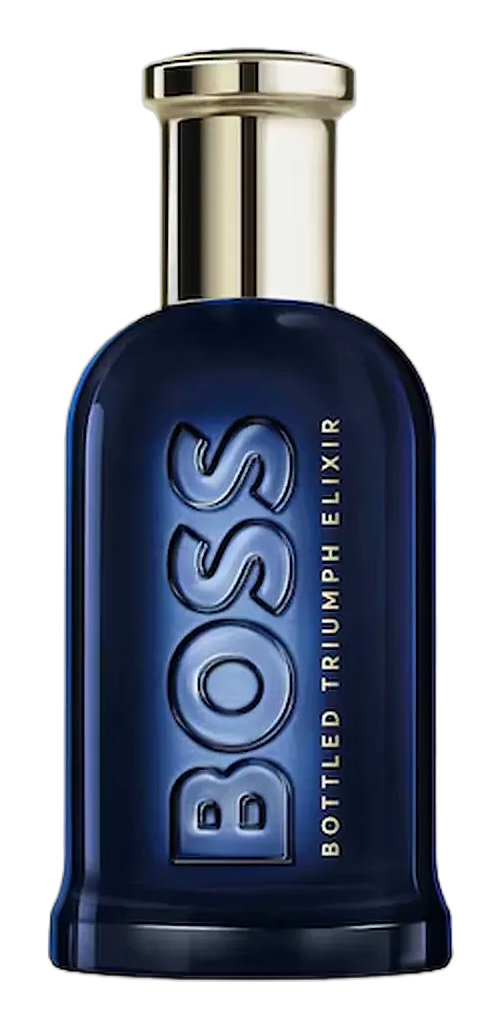
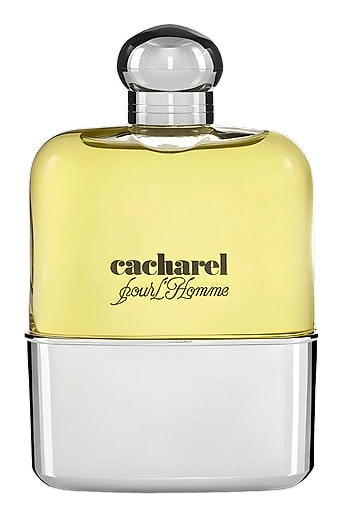
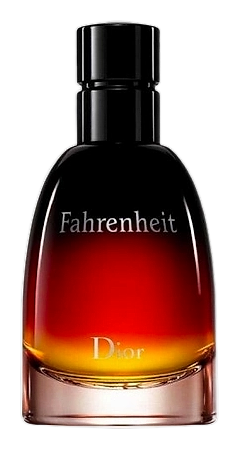
Grey Quartz occupies an interesting middle ground, mineral enough to appeal to fans of aquatic and ozonic fragrances, warm enough to satisfy those drawn to leather and vetiver. The composition shares an unexpected kinship with Dior's Fahrenheit: both open cool, feature violet leaf as a defining heart note, and dry down into leather. Where Fahrenheit became an icon, Grey Quartz offers a similar character arc with its own distinct voice. The comparison reveals how two fragrances can share structural DNA while pursuing entirely different expressions of that shared foundation.