The Story
Why it exists.
The beginning
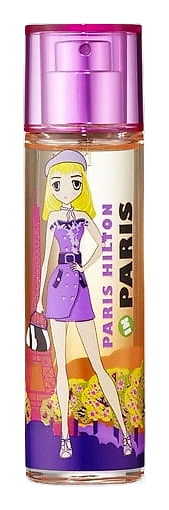
The Passport collection arrived in 2010 as Paris Hilton's most ambitious fragrance line yet, a trio of scents named for destinations that defined her public identity. Passport Paris was the anchor, translating the energy of the city itself into something you could wear. Developed with Parlux and created by perfumer Honorine Blanc, the concept was simple: take the excitement of arrival, the glamour of travel, and the promise of somewhere new, and bottle it. The result wasn't a literal representation of a place, it was the feeling of being on your way somewhere, suitcases packed, itinerary full of possibility.
What makes Passport Paris work is the balance between sweetness and structure. Fruity openings can veer into candy territory fast, but the addition of honeysuckle and jasmine in the heart keeps things grounded enough to feel like a real perfume rather than a novelty. The base is where most mass-market fragrances fumble, either too light or too heavy, but the patchouli-and-musks combination here threads the needle, giving the vanilla something to hold onto without turning heavy or cloying. It's composed with the understanding that a fragrance worn on the go needs to perform across temperature changes and multiple hours, which is why the heart notes layer in gradually rather than arriving all at once.
The evolution
The opening hits immediately: mandarin and red berries create a juicy, sparkling burst that feels like the moment you step off the plane and into warm air. It's bright and immediate, almost synthetic in the best way, that perfect engineered freshness that real fruit rarely delivers. Within twenty minutes the honeysuckle and peony arrive, softening the citrus edge and introducing a powdery floral quality that shifts the fragrance from energetic to elegant. The heart holds for a few hours, and this is where Passport Paris earns its keep, it's wearable in a way that many celebrity scents aren't, settling into skin without screaming for attention. The drydown is where the vanilla and amber take over, warmed by patchouli and lifted by white musk. On fabric, it lasts well into the next day. On skin, expect four to six hours of moderate sillage, present but not overwhelming, close enough to be intimate, strong enough to be noticed.
Cultural impact
Passport Paris arrived in 2010 during the peak of celebrity fragrance culture, targeting young women who wanted a touch of glamour without the designer price tag. The travel-themed packaging, with its silver suitcase-inspired bottle, reflected the era's obsession with global exploration and wanderlust. The Hilton brand, already synonymous with luxury and celebrity, used this collection to position fragrance as an accessible entry point into aspirational living. The fruity-floral sweet composition captured what young consumers wanted: something fun, wearable, and unmistakably feminine.