
The Story
Why it exists.
The beginning
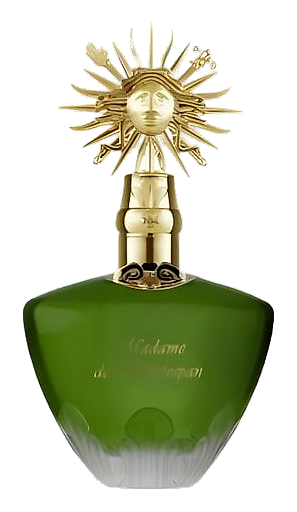
Madame de Montespan takes her name from one of Louis XIV's most celebrated court figures, a woman whose presence at Versailles shaped the era's cultural landscape. The palace was, at its height, the epicentre of French refinement: flowers cultivated in the Trianon gardens, recipes guarded like state secrets, and a king who considered his perfumer as essential as his architect. This fragrance is reconstructed from that lineage, not imagined in it. The green-floral character echoes the botanical abundance of the palace gardens, where lily of the valley, rose, and aromatic botanicals grew in deliberate variety. Madame de Montespan the fragrance inherits that palette and translates it into something wearable today.
What sets this composition apart is the way its cool and warm notes don't compete, they negotiate. The lily of the valley opening is green and bright, almost astringent, the kind of scent that arrives before you're ready for it. Then the heart softens: rose in its powdery French register, ylang-ylang adding a honeyed cream beneath. But the drydown is where the cardamom and fir balsam take over, a warm, slightly resinous base that keeps the fragrance anchored long after the florals fade. Oakmoss and musk complete it, giving the whole thing a mossy, skin-close finish. It's structured, it's old France, and it's not trying to be anything else.
The evolution
The opening hits within seconds, lily of the valley's cool green bite, immediate and assertive. Within ten minutes, the rose pushes through, but it arrives soft and powdered rather than heady, as if it's already been worn once and left its impression on skin. The ylang-ylang adds a faint tropical cream underneath, barely noticeable unless you're looking. Around the thirty-minute mark, the fir balsam and cardamom begin to surface, a dry, warm spiciness that shifts the fragrance from green-floral into something earthier, more grounded. The drydown is the real story: oakmoss settling into the skin, a powder-musk warmth that lingers. On fabric, it holds for hours. On skin, expect a moderate sillage that stays close but persistent, the kind of presence that announces itself when you move, then retreats when you stay still.
Cultural impact
Madame de Montespan occupies a specific niche in the green-floral family, less aquatic and crisp than modern fresh florals, more grounded in moss and powder than classic chypres. It sits comfortably beside mid-century French compositions in its restraint and structure. Wearers tend to describe it as the fragrance of someone who knows exactly what they want and didn't need permission to want it. The Versailles name earns its weight here: this doesn't smell like heritage tourism. It smells like the thing itself.