



Heritage
A house, in its own words
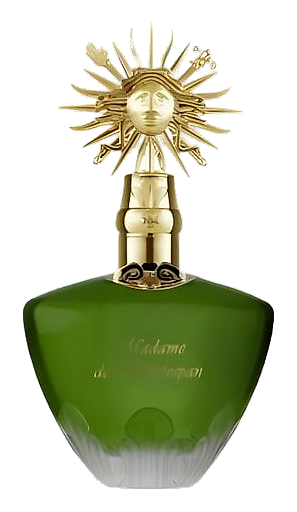
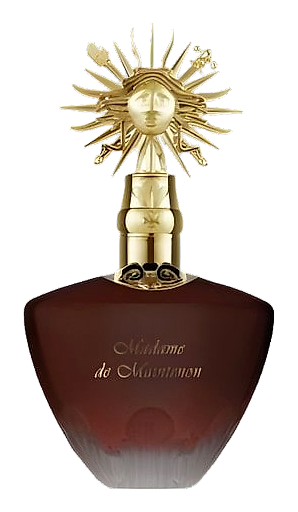
The origins of Parfums du Château de Versailles are inseparable from the history of French perfumery itself. Versailles became the birthplace of the perfumer's profession in 17th century France, a period when flowers and fragrance dominated court culture. The Trianon estate, in particular, was planted with an extraordinary diversity of fragrant botanicals, creating what amounted to a living laboratory for scent. The court of Louis XIV, known as the sweetest-smelling king of all, took perfumery to unprecedented heights. Historical accounts describe the king commissioning his perfumer to create a new scent for each day of the week. One of the most celebrated royal fragrances was made from orange blossom, reportedly the king's favourite, with recipes inspired by the mixing secrets of perfumer Simon Barbe. This tradition established Versailles as the centre of French fragrance culture, a legacy the brand draws upon directly. The perfumes in the collection reference real women of the court and real spaces at Versailles, grounding each composition in documented history rather than invention. The house operates as a living bridge between the archive and the skin, preserving an olfactory heritage that might otherwise remain locked in manuscripts and museum collections. The brand operates from a conviction that perfume is history you can wear. Rather than building around a signature house accord or a singular perfumer's creative identity, Parfums du Château de Versailles structures its collection around the people, places, and traditions of Versailles itself. Each fragrance carries a name drawn from the court's real figures, from Madame de Maintenon to Madame de Montespan, and from the palace's documented gardens and social spaces. The philosophy prioritises fidelity to historical fragrance culture over contemporary trends. This means compositions that reference 17th and 18th century perfumery conventions, the materials available to court perfumers, and the aesthetic sensibilities of the era. The brand positions itself not as a trend-driven fashion house but as a keeper of a specific, geographically and temporally defined olfactory tradition. The result is a collection that functions as much as cultural commentary as it does as fragrance.