The Story
Why it exists.
The beginning
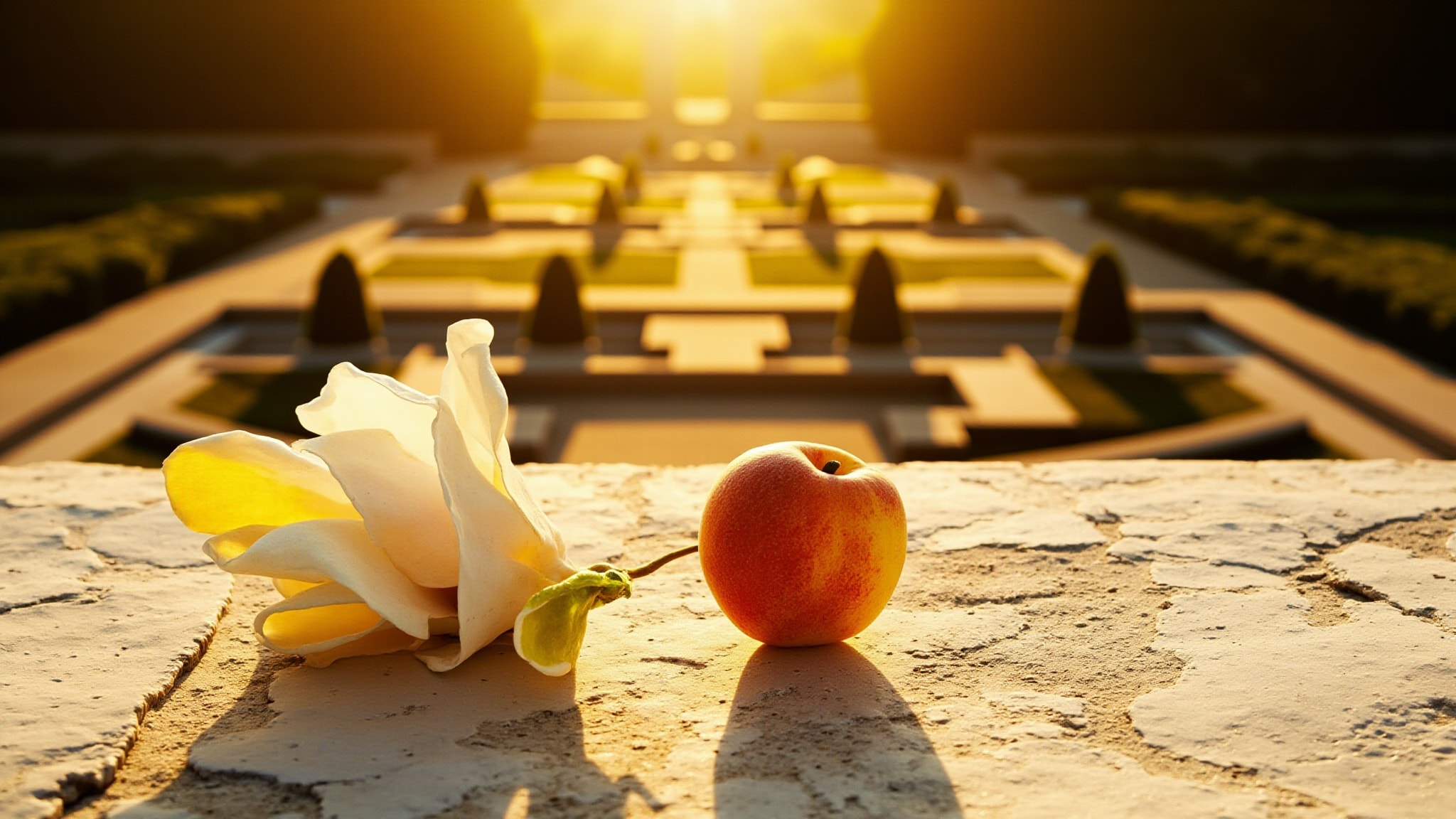
Jardins de Versailles takes its name from the Palace of Versailles's most celebrated landscape, formal parterres, bosquets, and the extraordinary botanical diversity of the Trianon estate, where Louis XIV cultivated fragrant flowers as a form of royal devotion. This fragrance is an olfactory translation of that space: the moment afternoon light begins to slant, when the gardens shift from manicured geometry to something alive and breathing. The brief was simple, capture the weight of white blooms in summer air, the fruit ripening in the heat, the formality of the space giving way to something warmer and more immediate. What emerged is a fragrance that moves like a woman walking alone through the bosquets, away from the court, toward something entirely her own.
The structure is classical French perfumery pushed slightly off-center. Magnolia anchors the opening with its particular creaminess, not quite a floral, not quite a green note, something between cold cream and sea air that reads as both clean and sensual. Against peach and melon, it stays cool. The real commitment comes in the heart: tuberose at full strength, indolic and creamy, the note that separates those who love the fragrance from those who merely appreciate it. Plum adds depth without sweetness, and violet provides the powdery grace that keeps the composition from becoming too heady.
The evolution
The opening arrives bright, magnolia and peach pressed together, that cold-cream-and-fruit tension. Melon adds a watery coolness that keeps the magnolia's creaminess in check for the first twenty minutes or so. Then the florals take over, all at once, a French baroque garden in full bloom. Plum brings its dark, jammy depth to the tuberose's creamy, almost aggressive white floral, thick, heady, indolic. Violet brings powdery grace. The sillage becomes strong. This is where the fragrance becomes polarizing: tuberose-lovers find it intoxicating. Others sense something more animalic lurking beneath the petals. The drydown settles close, amber warmth, patchouli's earth, soft musk. The florals recede, but their ghost lingers in the skin-warmed trail. Lasts for hours. Remains on fabric the next morning.
Cultural impact
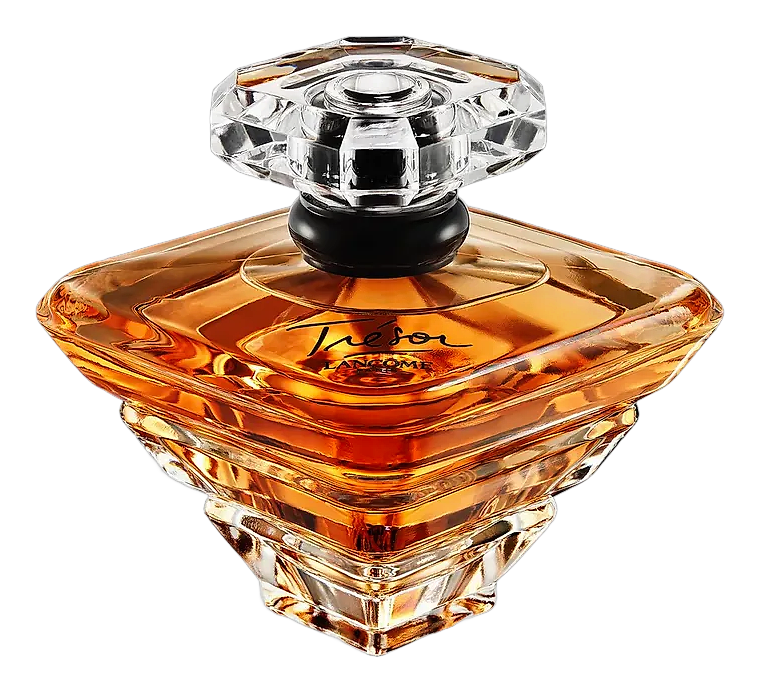
Jardins de Versailles occupies a distinctive space in the floral fruity category, more committed to its white florals than most, with tuberose at the center of the composition rather than tucked away as a supporting player. Wearers who appreciate tuberose's creamy, indolic character find it one of the more distinctive entries in the Versailles collection; those who find tuberose overwhelming tend to gravitate toward other options from the house. The fragrance sits comfortably alongside classic powdery florals like Dior J'adore and Lancôme Trésor, though it leans slightly warmer and more assertive than both.