The Story
Why it exists.
The beginning
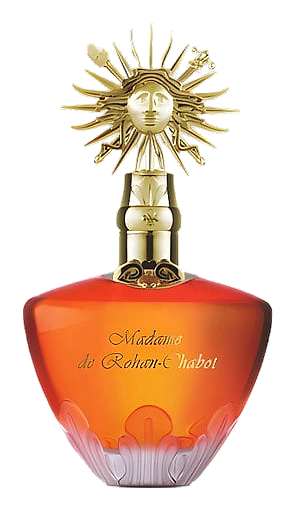
Madame de Rohan-Chabot takes her name from the French court, a woman who moved through Versailles when the palace was the center of European taste. Parfums du Château de Versailles built this fragrance as part of their Dames de Versailles collection, each scent a portrait of a real historical figure who shaped court life. Anne de Rohan-Chabot was no exception: documented, referenced, present in the palace records. The fragrance translates her presence into something wearable, fruity, composed, unmistakably French.
The note combination is what makes this composition unusual. Raspberry and rose absolute could easily collapse into sweet syrup, the kind of fragrance that announces itself and then tires you out. Instead, the perfumer introduced geranium for a green counterpoint, mint and lavender at the opening to cool the air, and anchored the heart with saffron's subtle warmth. Sandalwood and white musk carry it into a powdery drydown that rewards patience. Every layer earns its place. Nothing is decorative for its own sake.
The evolution
The opening hits bright and tart, tangerine, mint, a whisper of lavender cutting through like cold air in a sunlit room. Within minutes, the raspberry arrives. Then the rose. They don't compete, they take turns, the fruit leading, the flower deepening. The heart lasts longer than expected, geranium keeping everything grounded with its green, slightly bitter edge. The drydown is the tell: saffron warmth meets sandalwood cream, amber settling beneath white musk that stays close and powdery. On fabric, it lingers into the next morning. On skin, expect eight to ten hours before it finally quiets.
Cultural impact
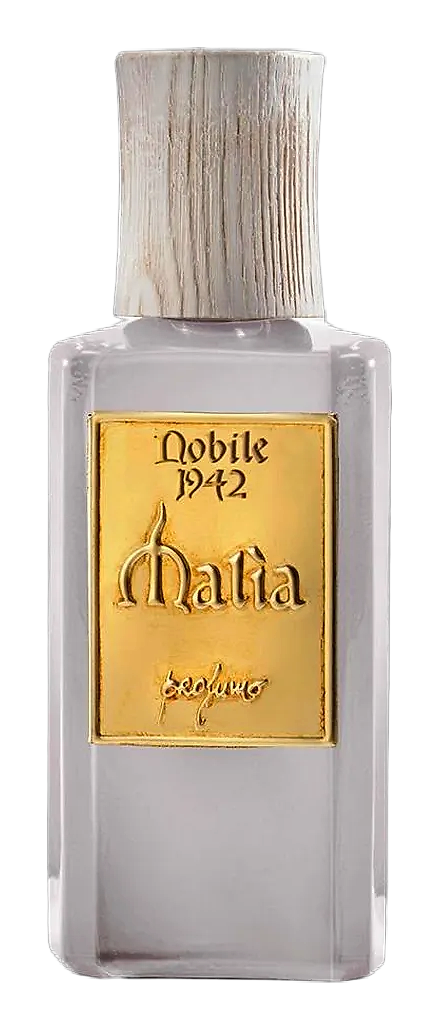
Part of the Les Dames de Versailles collection, Madame de Rohan-Chabot occupies a specific niche: wearers who want French court history without costume drama. The fruity-rose structure places it near Nobile 1942 Malia and Narciso Rodriguez for Her in spirit, though the saffron-warm drydown gives it a cooler, more composed identity. It performs year-round but reads best in spring and autumn, when raspberry's freshness and saffron's warmth can both register. The audience skews toward those who've already tried a few rose fragrances and want something that doesn't resolve into the expected.