
The Story
Why it exists.
The beginning
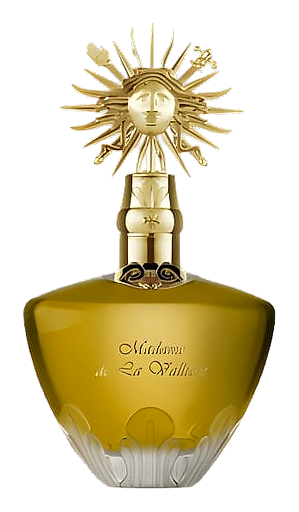
Louise de La Vallière entered the court of Louis XIV in 1661, at seventeen. Where Versailles demanded display, she offered something else, restraint, a kind of plainspoken grace. This fragrance is built around that tension: the tart immediacy of blackcurrant and grapefruit at the opening, then the slow arrival of rose, jasmine, and lily. Not a biography. An interpretation of presence, what it means to be unadorned and impossible to forget.
What makes this composition interesting is the restraint at its center. The blackcurrant opening is assertive, bright, almost sharp, but the florals don't arrive as relief. They arrive as confirmation. The rose is layered, warm, present. The jasmine holds it. The lily threads through. Nothing announces itself; everything persists. By drydown, the white musk takes over and the tartness disappears entirely, replaced by something powdery and close. That's the whole story: what begins electric becomes intimate, and what begins beautiful becomes characteristic.
The evolution
The blackcurrant hits first, tart, almost confrontational, its dark fruit brightness demanding immediate attention. As the top notes begin their gradual retreat, the grapefruit emerges with a citrusy brightness that tempers the blackcurrant's edge, creating a dynamic interplay between tartness and freshness. The florals then begin their slow entrance, not a sudden takeover but a careful negotiation for prominence. The rose doesn't simply overtake the blackcurrant; it softens it, layers it, wraps around it until the fruit becomes rounded and more nuanced rather than harsh. The lily arrives on the scene as a creamy counterpoint, adding a velvety richness that transforms the fragrance's texture and depth. As the more volatile notes dissipate, the drydown unfolds when the florals thin and the white musk rises to the surface, providing a clean, skin-close backdrop.
Cultural impact
The Château de Versailles fragrance collection brings an aristocratic sensibility to modern fragrance design, using names and inspirations from documented figures in Louis XIV's court to create scents with historical resonance. Madame de La Vallière, named after Louise de La Vallière, takes inspiration from her recorded presence at court and translates that historical character into a wearable composition. This approach positions the house as a keeper of royal-inspired olfactory narratives, bridging the world of aristocratic heritage with contemporary perfume creation.