The Story
Why it exists.
The beginning
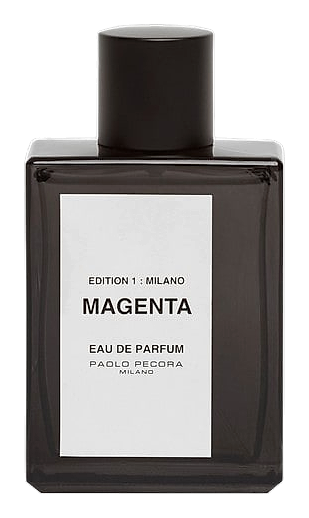
Magenta belongs to a set of six fragrances Paolo Pecora released, each one named for a Milanese street or neighborhood. The collection functions as a kind of olfactory cartography of the city, bottle by bottle, address by address. Magenta, specifically, sits among interpretations of locations that shape how the city reads to those who move through it daily. The composition was built by perfumer Jean Jacques, whose work on this scent keeps the structure visible. Nothing is buried, nothing is obscured, nothing is added for the sake of abundance. Each note earns its position by doing a specific job and refusing to do anyone else's. The result reads less like a perfume trying to impress and more like an object already finished before you encountered it.
What's interesting is how little Magenta gives you to work with. Most compositions this streamlined either bore you or charm you into compliance. This one does neither. Pink pepper and citrus up top, sage alone in the heart, opoponax and vetiver below, with cardamom, oud, patchouli, and tonka bean rounding out the formula. That's a short list by modern standards, each ingredient carrying weight, none hiding behind a supporting cast. The restraint is the point. Every element is visible, the construction doing the talking.
The evolution
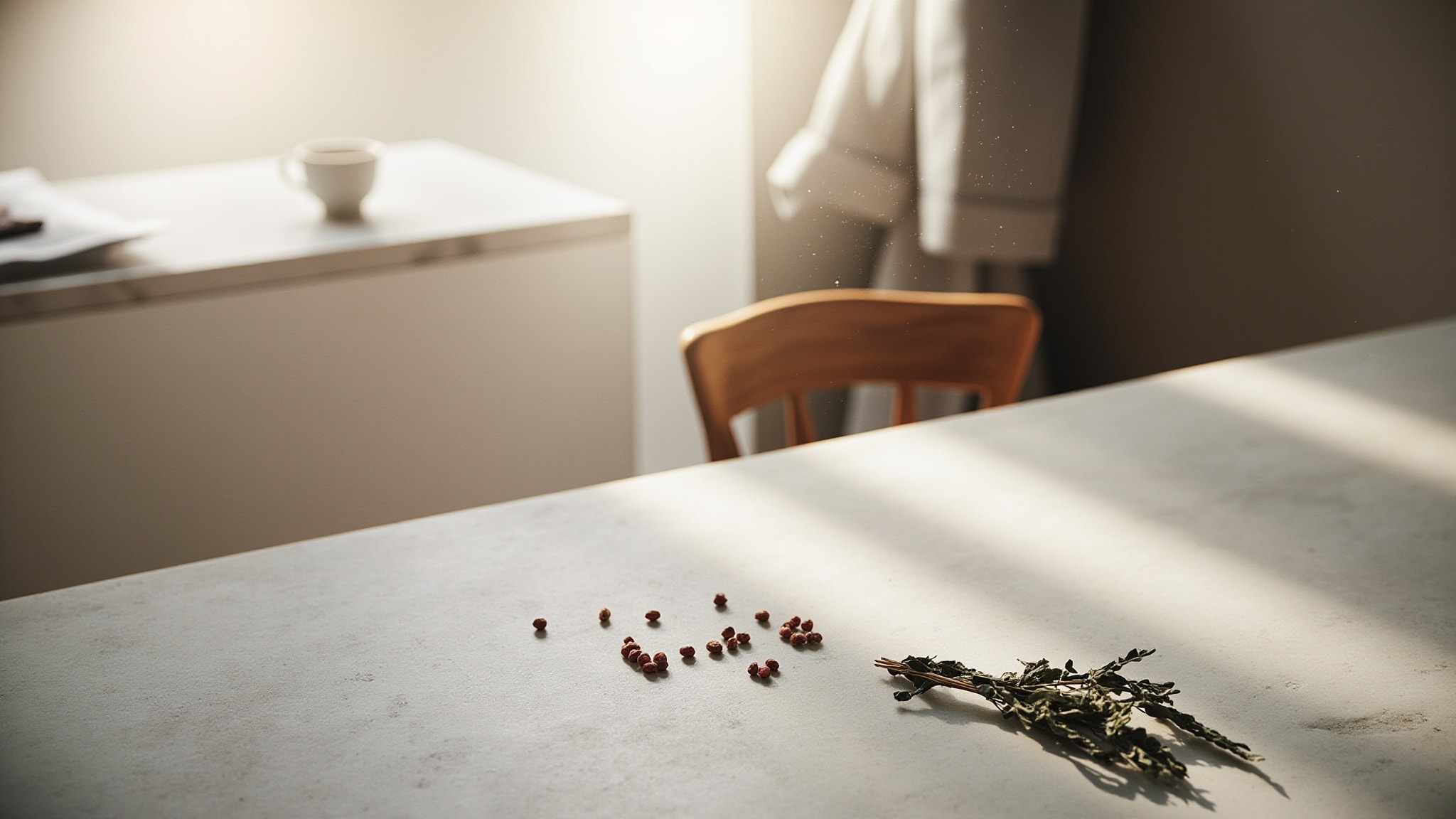
The opening belongs to pink pepper, which behaves less like a spice and more like static electricity. It prickles across citrus without ever fully dissolving into it, keeping both notes at arm's length from each other. Sharp, alert, a little tense, and surprisingly long-lived for a top accord. Eventually the pepper steps back and sage arrives, not as an herb you'd cook with but as a dried, brittle version of itself, almost medicinal, like crushed leaves left on a windowsill. This is the longest phase of the wear, and it carries most of the fragrance's identity. Where most compositions shift registers here, Magenta just stays put, confident in its own register. The opoponax shows up in the later hours like a door opening to a warmer room. There's a resinous, almost honeyed quality underneath that vetiver keeps grounded, pulling the sweetness down before it gets syrupy.
Cultural impact
Magenta operates in a register that prioritizes architectural restraint over crowd-pleasing sweetness. The composition doesn't reach for opulence or nostalgia, and it shows little interest in being universally appealing. Wearers tend to be people who dress with intention rather than display, and the fragrance tends to land with them accordingly. It doesn't perform well in a room full of louder compositions, but up close, on someone who already has their look figured out, it makes complete sense. The sillage stays close to the skin, the drydown settles into amber and root, and the whole thing reads as confident in its own scale.