The Story
Why it exists.
The beginning
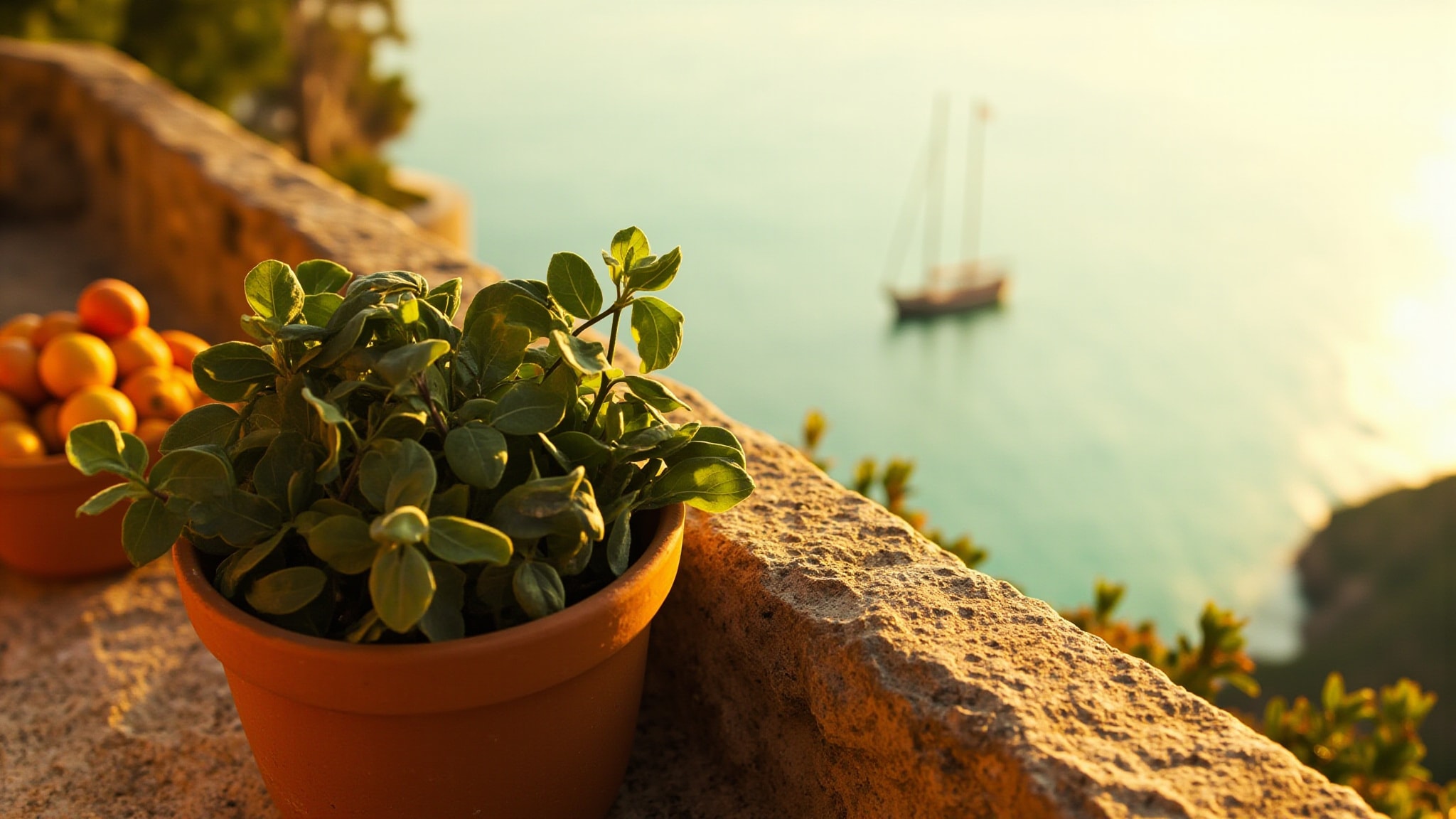
Maestrale draws its name from the north-west wind that sweeps the Mediterranean, a gust that carries salty air and sun-warmed citrus. In 2008, perfumer Paolo Gigli captured that breezy spirit for women, translating the wind's brisk opening into mandarin orange, bergamot and lemon, then grounding it in a warm woody finish that evokes sun-bleached driftwood on a summer shore.
Paolo Gigli built Maestrale around the idea of contrast: bright citrus against soft florals, cool herbs against warm resins. The white flowers in the opening (jasmine and white rose) provide an elegant softness that tempers the sharp citrus, while the herbal heart keeps the composition grounded and masculine-leaning enough to feel balanced. The ambergris in the base acts as a bridge between the fresh opening and the woody drydown, giving the fragrance a coherent arc from coastal sparkle to intimate warmth.
The evolution
The fragrance moves like a shifting breeze across open water. Mandarin orange, bergamot and lemon arrive first, a bright citrus chorus that feels effervescent and coastal. As the top notes soften, lavender and clary sage take over, their cool herbal character replacing the initial sparkle with something more contemplative. Labdanum and basil add subtle layers, resinous and green, before ambergris, cedarwood, vetiver, vanilla and sandalwood arrive in the drydown, weaving a warm, slightly animalic base that lingers for hours like sand and salt on skin.
Cultural impact
Maestrale captures the spirit of Italy’s breezy coasts, echoing the lively markets of Naples where citrus fruits are harvested at dawn. Its blend of mandarin orange and bergamot reflects the Mediterranean sun, while jasmine and white rose evoke the elegance of historic gardens. This fragrance has become a subtle cultural marker, often recalled in conversations about summer gatherings and seaside celebrations, linking personal memories to a shared Italian summer identity.