
The Story
Why it exists.
The beginning
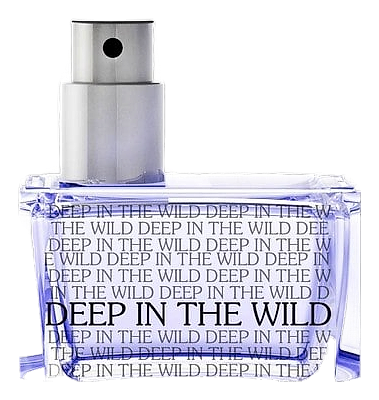
Deep in The Wild arrived in 2016 as part of Otoori's Mix and Match Collection, a range of 21 fragrances organized across Essential Notes, Mixed Notes, and Fine Notes. The Fine Notes section is where this composition lives, a category that suggests something more composed and layered than the collection's more casual offerings. Rather than offering a single olfactory idea, the collection encourages the wearer to build a personal signature by pairing scents across categories, mixing and matching as the name promises. Deep in The Wild is a chypre-fruity composition that pulls citrus, rose, and warm spice into one composed arc.
What's interesting here is the chypre-fruity register itself. The top keeps things bright and edible with fruit and citrus, then the heart pivots hard into rose, spice, and green wood, a combination that feels deliberate and architectural. The base holds the line with earthy amber and musk rather than agarwood, and that choice shapes the entire wear.
The evolution
The opening is the loudest. Citrus and fruit hit clean and almost sharp, the kind of introduction that smells like peeling something cold and ripe at the same time. There's a crispness here that almost reads as cold, a tartness that gives the fragrance its initial energy. As the opening softens, the rose and spice arrive in earnest. The green woody notes keep it from going powdery, and the rose keeps it from going harsh. This is the heart phase, and it's where the fragrance earns its keep. The rose here is full, almost dewy, and the spice sits behind it like a shadow rather than in front of it. The green wood adds a bitter, sappy edge that keeps the whole arrangement from collapsing into sweetness. Past the heart, the fruit and citrus gradually step back.
Cultural impact
Deep in The Wild sits in an unusual position within its own catalogue. It's a chypre-fruity composition that pulls rose, spice, and green wood into a structure that feels both familiar and unexpected from a house better known for agarwood-heavy releases. For wearers curious about the brand's style but cautious about the density that oud can bring, this offers a more accessible entry point. It also broadens the range of compositions the house is willing to put forward, showing that the same raw materials and olfactory vocabulary can produce something brighter, fruitier, and more lifted when rearranged.